Table of Contents:
- 1. What is a CR2450 battery?
- 2. Technical parameters of the CR2450 battery
- 3. Types of lozenge batteries
- 4. Advantages of CR2450 lithium batteries
- 5. Lithium battery housing
- 6. What are the differences between lithium and zinc-carbon batteries?
- 7. Where to dispose of used lithium batteries?
- 8. How do you recycle lithium batteries?
CR2450 is the abbreviation for a lithium battery, whose shape resembles a lozenge. The letters CR indicate that we are dealing with a lithium-manganese cell.
What is a CR2450 battery?
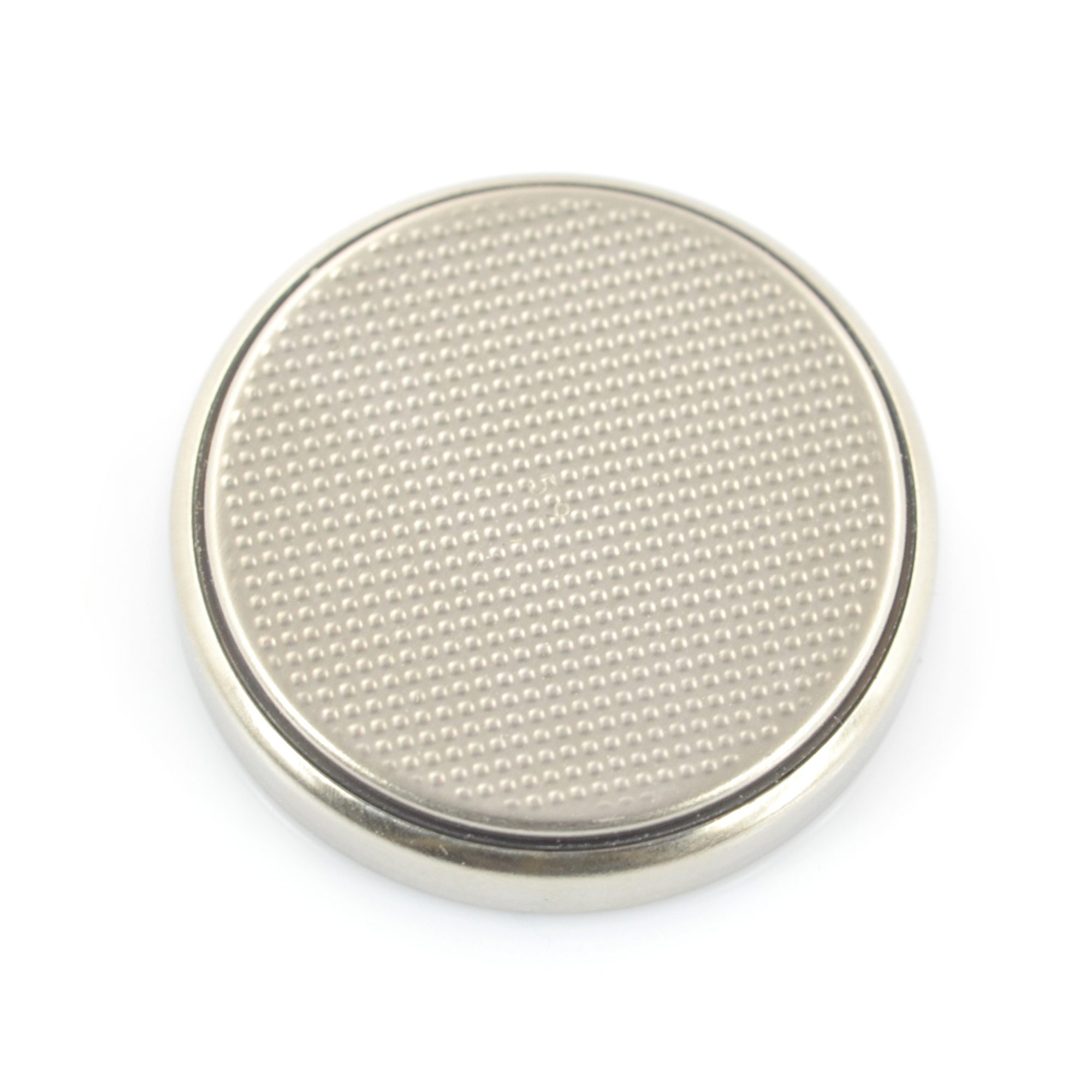
CR2450 battery belongs to the group of cells commonly referred to as “lozenges”. These are small coin-shaped batteries that are used, among other things. For powering small electronic devices. The first two letters (CR) indicate that these are lithium-manganese batteries. In turn, the numbers 2450 specify the physical dimensions, that is, a diameter of 24 mm and a thickness of 5.0 mm.
The compact size, combined with good electrical performance, makes lozenge batteries used to power watches, car keys, remote controls and other devices with low electricity requirements.
CR2450 cells belong to the group of lithium batteries, whose design allows for one-time use. They are designed in such a way that the reactions that take place in them are irreversible. In practice, this means that once the discharge process has begun, it cannot be reversed by recharging. For this reason, discharged CR2450 batteries cannot be charged.
Technical parameters of the CR2450 battery
Lithium cells CR2450 have a voltage of 3 volts. The capacity of the cell, in turn, depends on the specific manufacturer, and usually ranges from about 500 mAh to about 620 mAh. Specially designed battery design, combined with the right chemical composition, makes this type of cells have the ability to provide constant voltage for a long time.
CR2450 batteries are used in the production of batteries, among others. Manganese dioxide and lithium. Thanks to them, the cells are distinguished by their long life and above-average resistance to the undesirable effect of self-discharge.
Types of lozenge batteries
Lozenge batteries, based on their chemical composition, can be divided into several types. The first is the CR (lithium-manganese) cells described. The second type is cells labeled LR (alkaline). The ZR designation, on the other hand, indicates zinc-hydride batteries.
Each type of battery has different electrical characteristics and therefore has different applications. However, all types are united by their small size, which allows them to be installed in limited spaces, such as miniature electronic devices.
Advantages of CR2450 lithium batteries
Lithium batteries CR2450 are characterized by a wide operating temperature range, thus ensuring stable operation in diverse conditions. Another advantage of lithium cells is their high energy density, that is, their ability to store a large amount of energy, despite their small size and relatively low weight.
The CR2450 battery has a good reputation among users and service technicians of electronic devices, including. Because of its long life and reliability.
Lithium battery housing
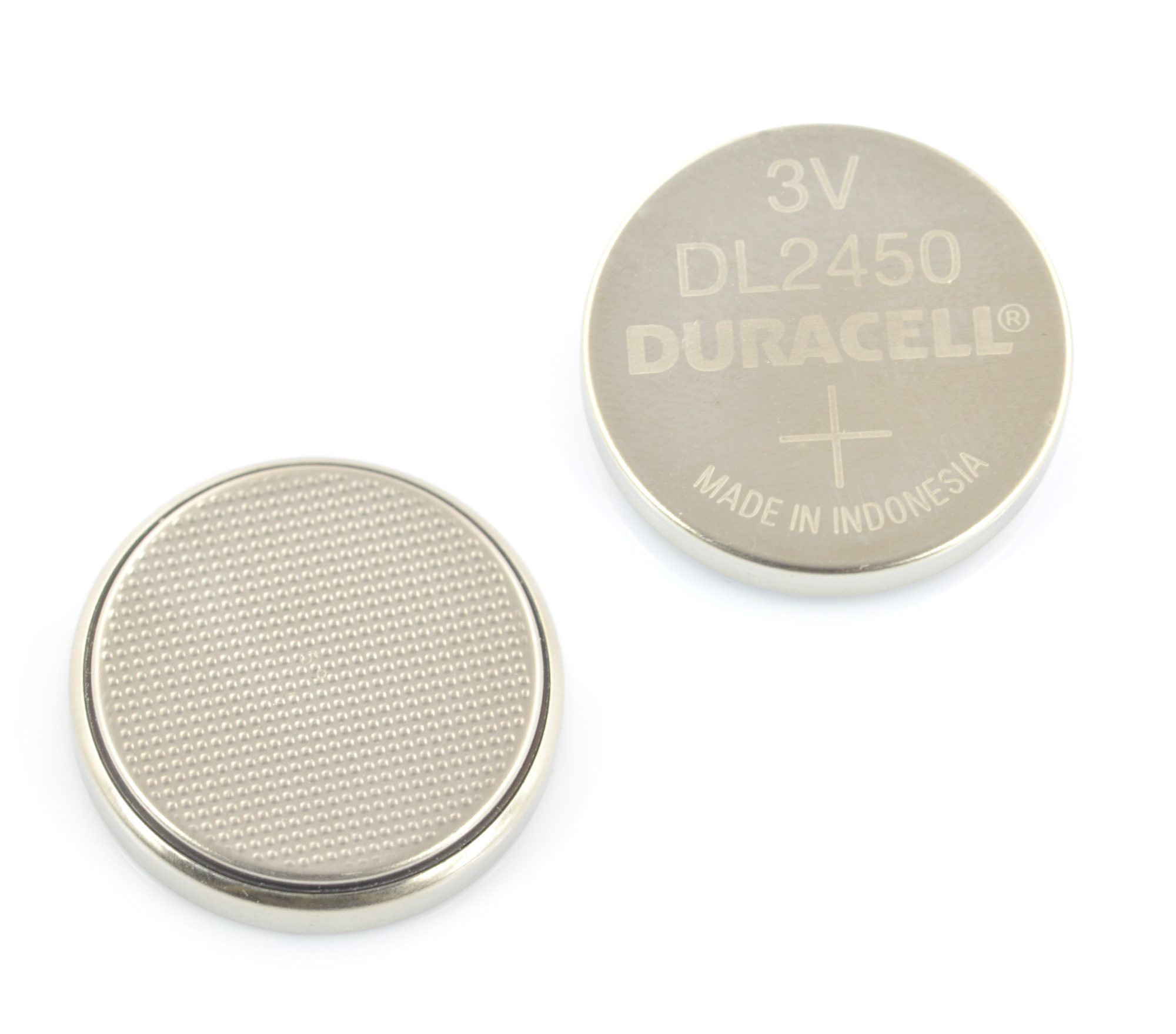
Battery Housings CR2450 are designed to provide maximum heat dissipation during operation. This means that even during maximum load, the risk of overheating is kept to a minimum. Metal or various metal alloys are used to manufacture CR2450 battery cases. The primary task of the housing is to protect the interior of the battery from external factors, including mechanical damage. In addition, the housing is designed to conduct electricity efficiently.
In addition, the CR2450 battery case should include information such as. Of type, capacity and voltage. In addition, selected housings are equipped with an additional seal that provides effective protection against electrolyte leaks. In addition, the seals protect the interior of the faucet from external factors, including moisture and dirt. The better sealed the battery, the more durable and safer it is to use.
What are the differences between lithium and zinc-carbon batteries?
The differences between lithium and zinc-carbon batteries are due to the chemical composition of the cells. Pastel lithium cells are distinguished by their higher energy efficiency and longer life, compared to lithium cells. They offer higher voltage than zinc-carbon cells, whose biggest advantage is their relatively low price. Zinc-carbon batteries are distinguished by their lower resistance to external factors (including low temperature) than lithium cells.
Where to dispose of used lithium batteries?
Single-use and reusable batteries must not be disposed of in municipal waste containers, as they contain substances harmful to the environment. Discarding batteries (regardless of their type) can lead to contamination not only of the soil, but also of groundwater. For these reasons, dispose of used batteries in specially marked containers. Where can they be found? First of all, in stores that sell secondary and primary cells. In many supermarkets and hypermarkets, containers of this type can be found, for example, at checkouts or a short distance from the entrance.
How do you recycle lithium batteries?
Recycling lithium batteries not only reduces the negative impact on the environment as much as possible, but also recovers valuable materials and reuses them. Lithium cells are collected, among other things. From companies, from stores, collection points and from households. The next stage involves segregation. Batteries are divided by size, type and condition. At this stage, all links are evaluated, including. In terms of the possibility of recovering valuable components.
Recycling also involves discharging batteries and separating them into their individual components (cathode, anode and electrolyte). This process is essential for the efficient recovery of valuable raw materials. During recycling, various chemical processes are used to recover, among other things. Lithium, cobalt, manganese and nickel. The next process involves purifying the extracted raw materials to a level that allows them to be reused. All the waste that remains after the entire recycling process is properly disposed of, so it does not pollute the environment. This type of waste can contain various types of toxic substances.
How useful was this post?
Click on a star to rate it!
Average rating 0 / 5. Vote count: 0
No votes so far! Be the first to rate this post.