Table of Contents:
- 1. PM10 - the most important information
- 2. Types of sensors that measure air purity
- 3. Arduino-compatible PM10 dust sensor
- 4. PM10 and carbon monoxide sensors compatible with Arduino - what else is worth knowing?
- 5. Adapters for Arduino and Raspberry Pi compatible sensors
- 6. PM10 dust sensors compatible with Raspberry Pi
- 7. Where to install an air quality sensor?
PM10 is an acronym for airborne particulate matter with a diameter of less than 10 micrometers.
PM10 - the most important information
Air cleanliness sensor is a device used for continuous monitoring of air quality in a given environment. The operating principle, range and additional functionality of the sensor depend on the specific manufacturer and the specific model.
PM10 is the designation for a group of airborne particulates whose individual particles are less than 10 micrometers in diameter. Due to their chemical composition and microscopic size, this type of dust is particularly hazardous to health. By breathing in polluted air, harmful dust penetrates the respiratory and circulatory systems.

Types of sensors that measure air purity
Measurement of PM10 concentration is a key parameter monitored by air quality sensors. Selected models also allow the measurement of PM1.0 (the diameter of a single particle is less than or equal to 1 micrometer) and PM2.5 (the diameter of a particle is less than or equal to 2.5 micrometers). A separate group of sensors are devices that measure the concentration of hazardous gases in the air, such as carbon monoxide and ammonia.
Arduino-compatible PM10 dust sensor
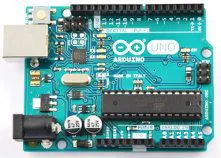
Selected air quality monitoring sensors are compatible with popular microcontroller Arduino. When looking for a particular sensor model, pay special attention to the communication interfaces. The microcomputer and sensor can communicate with each other using different communication protocols. The first is the UART, which is a universal (asynchronous) transmitter and receiver. The second interface is a 12C synchronous serial communication bus.
The third way involves an analog connection, that is, using free pins. When selecting a particular model of PM10 dust sensor, make sure that the device is equipped with the above communication interfaces. In addition, some sensor manufacturers include information (e.g., on the packaging or in the manual) such as “compatible with Arduino.”
PM10 and carbon monoxide sensors compatible with Arduino - what else is worth knowing?
PM10 dust sensors, in addition to compatible communication interfaces with the Arduino microcontroller, must also work with the appropriate voltage. The popular microcontroller requires one of two voltage levels for proper operation, namely 5 V or 3.3 V. The sensor also needs to be adjusted to work with one of these voltage levels.
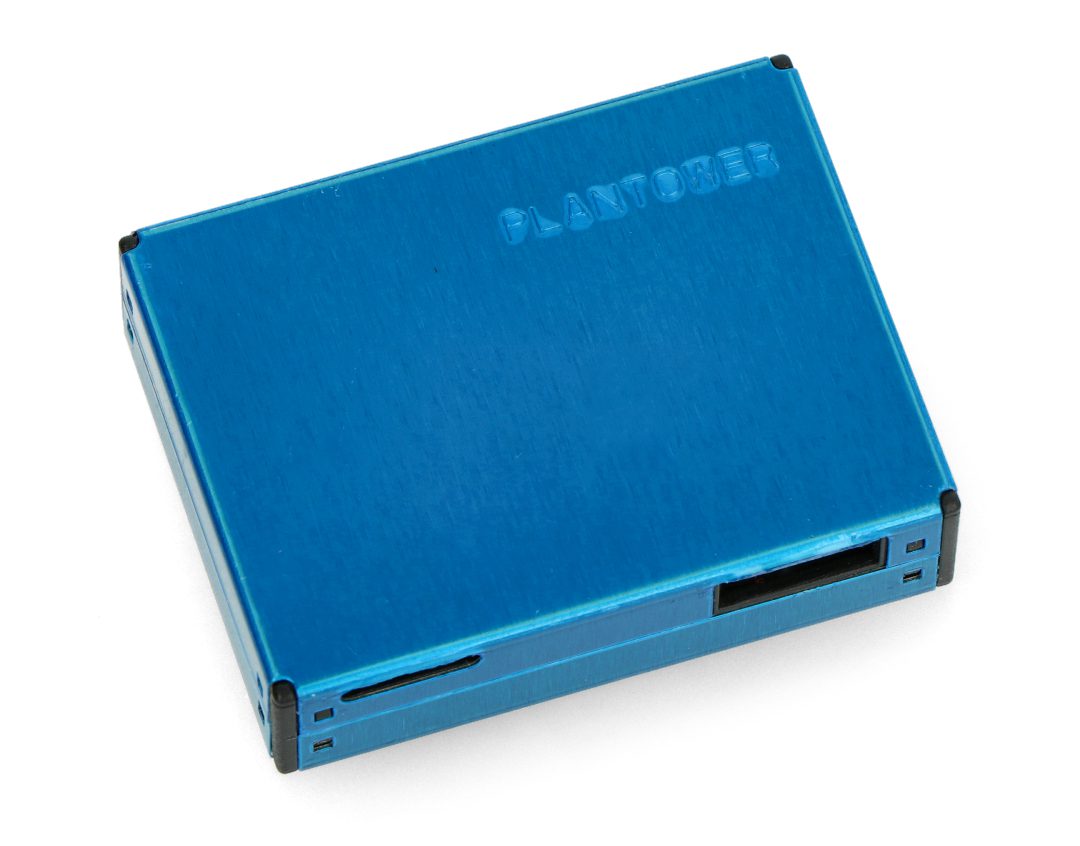
A good example of a compatible sensor is the PM1.0 / PM2.5 / PM10 dust (air purity) sensor model PMS7003 operating with a voltage of 3.3 V.
The device is distinguished by its high precision operation and reliability. It is designed to measure different fractions of airborne dust. Communication of the sensor with the Arduino is carried out using the UART interface.
Another sensor fully compatible with Arduino is the MQ-7. It is used to monitor the concentration of carbon monoxide in the air. The sensor can be powered by a voltage range of 2.5 V to 5 V. In addition, it is equipped with digital and analog input, so it can be easily connected to various types of modules, including Arduino.
Adapters for Arduino and Raspberry Pi compatible sensors
You should also consider using special adapters designed to quickly and easily connect air purity sensors to the Arduino and Raspberry Pi. The IDC 10pin 1.27mm adapter used to connect the said sensor is very popular PMS7003. The adapter comes in two variants. The first is a sensor with solder fields, used for soldering goldpins.
The second variant, on the other hand, comes with pre-soldered goldpins. The output of the adapter is the power pins (VCC and GND), as well as the pins responsible for UART communication, namely RX and TX. The version of the adapter with soldered pins is ready to connect right out of the box. The lack of soldering is especially important for those who are new to electronics.
PM10 dust sensors compatible with Raspberry Pi
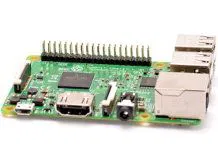
To connect air purity sensor that monitors the concentration of PM10 suspended particulate matter in the air to the Raspberry Pi, you can use one of the communication interfaces (12C, UART or GPIO). Another important issue is the supply voltage.
Selected Raspberry models require a stable power supply voltage of 5 volts for operation. A suitable communication interface and power supply voltage are two basic requirements that a Raspberry Pi-compatible PM10 dust sensor must meet.
In addition, during the selection of the sensor model, special attention should be paid to compatibility with your Raspberry Pi minicomputer model.
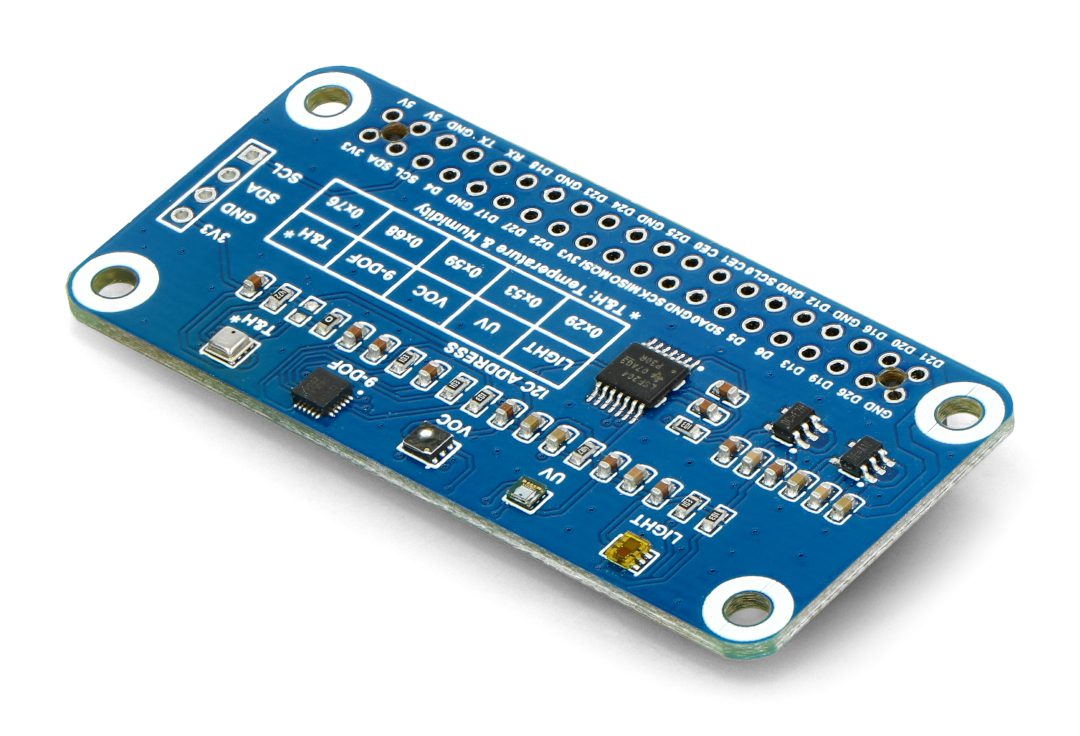
A good example is Waveshare 20471 environmental sensor which allows the detection of volatile compounds in the air. Such an overlay for the Raspberry Pi communicates with the main device via the I2C bus. The overlay requires a 5V power supply to operate.
Where to install an air quality sensor?
Selection of installation location of an air quality sensor that monitors the concentration of airborne particulate matter, including PM10, is crucial for several reasons. For buildings such as homes, apartments, offices, commercial premises or educational institutions, sensors should be installed in areas with the highest traffic.
In addition, special attention should be paid to the operating conditions of the sensors. Manufacturers include information in the instruction manual regarding, among other things. operating temperature and humidity range. Why is it important to use PM10 sensors under correct conditions? Because of the precision and repeatability of the measurements.
It is also worth remembering that selected models of air quality sensors must be regularly calibrated according to the manufacturer’s recommendations. In addition, the lifespan of each sensor is limited, so it is essential to read the equipment manual.
How useful was this post?
Click on a star to rate it!
Average rating 0 / 5. Vote count: 0
No votes so far! Be the first to rate this post.