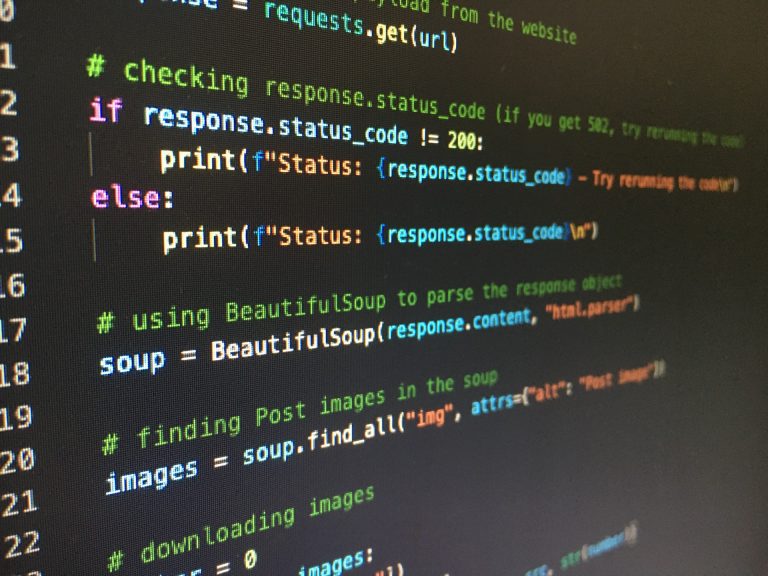
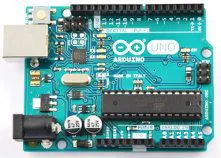
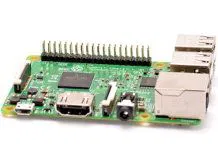
Raspberry Pi modules are not fundamentally different from ordinary desktop and laptop computers in terms of how software is developed for them – essentially the same programming languages, programming tools (e.g. IDE environments), and basic system applications are used. However, single board computers (SBCs) have a fundamental advantage over conventional machines as they allow low-level access to basic communication interfaces – General Purpose Input/Output (GPIO) pins and SPI, I2C or UART blocks – which makes them easy to integrate with external devices.
The ability to easily interface with sensor modules, relays, or low-power motor controllers is actually one of the main reasons for the Raspberry Pi‘s huge market success. Combined with low retail price and huge community support for Raspberry Pi, both in terms of software libraries and ready-made projects, such versatility makes Raspberry Pi a must-have for any fan of new technologies.
Versatile, he is eager to take on challenges because he thinks it is the fastest way to progress. He values contact with nature and an active rest. Automotive and new technologies enthusiast.
Versatile, he is eager to take on challenges because he thinks it is the fastest way to progress. He values contact with nature and an active rest. Automotive and new technologies enthusiast.