



New arrivals


On Sale
MINICOMPUTERS
The development of electronics is inseparably connected with progressing miniaturization and it would be difficult today to indicate an area of technology that would benefit from it to a greater extent than ICT equipment. Modern computers are no longer just stationary "PCs" and laptops - today an efficient computer with a multi-core processor and at least a few gigabytes of RAM can be part of another device. What's more - it does not require high costs, and many models of single board minicomputers (SBC) are within reach of electronic amateurs and makers. The Botland store is a leading distributor of both the main modules and their overlays, cameras, displays, housings and numerous accessories supporting the use of minicomputers.
Subcategories
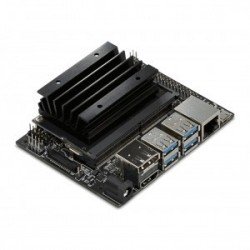
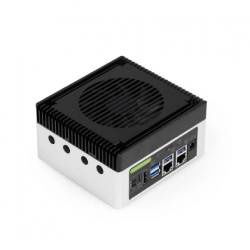
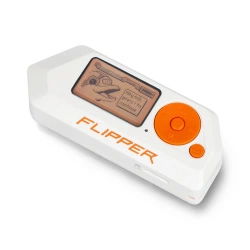
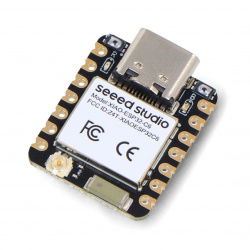
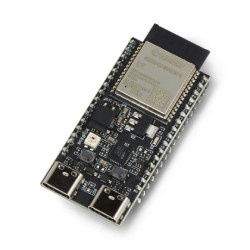
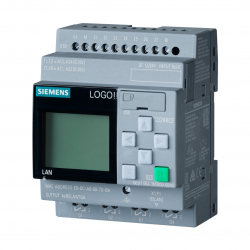
Products




See also
SBC minicomputers - what are they and what can they be used for?
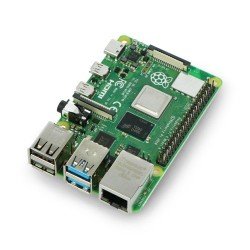
A single-board computer (SBC) is nothing more than a highly miniaturized motherboard which, in addition to the processor, RAM or communication interface sockets (USB, Ethernet, HDMI, etc.), also has a number of additional modules and functionalities . In many cases, the role of the hard drive is played by... a fast microSD card - this solution, apart from the obvious advantage of very low cost (compared to classic computer drives), also provides incredible flexibility and ease when working on projects based on a minicomputer. There is nothing simpler than removing the card from the slot of a (turned off!) minicomputer and inserting it into a reader on a laptop or desktop computer in order to image the entire file system or perform various modifications that, for some reason, would be difficult to perform from the SBC level itself. . Moreover, single-board minicomputers usually have additional GPIO connectors, not found in standard "PCs", which make connecting the minicomputer with external electronic systems extremely easy, known from simpler platforms, e.g. Arduino. These last two advantages resulted in the enormous popularity of single-board minicomputers in amateur, prototype and academic applications.
A wide range of SBC minicomputers
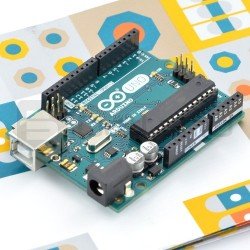
Our offer includes an extremely wide portfolio of minicomputers from various manufacturers. We have, among others: a wide range of iconic Raspberry Pi modules and countless dedicated accessories (Raspberry Pi Hat covers, microSD cards, power supplies, cases, USB accessories, and even gadgets with the raspberry logo). We also have minicomputers from the Odroid, FriendlyARM NanoPi, Odyssey, NVIDIA, LattePanda, Khadas VIM, UP board, BeagleBone, Rock64, Sparky, Google Coral, CubieBoard series and - of course - Arduino, which can also be considered today the simplest, although extremely universal version a simple minicomputer.
Minicomputers - FAQ
A microcomputer (also called a minicomputer) is nothing more than a device with the functionality of a classic, full-sized computer, but enclosed in a strongly miniaturized form. A special variety are single-board minicomputers (SBC - e.g. Raspberry Pi ), whose construction is based on a single printed circuit board, usually with dimensions not exceeding a dozen or so centimeters and containing all the necessary base components.
A microcomputer can be used for the same purposes as ordinary desktop computers and laptops - e.g. for office work, internet browsing, or ... software development and testing. The advantage of miniature computers, however, is also the possibility of embedding them in a larger device, as the main controller (driver) or a human-machine interface .