



Promotions
SENSORS
From a technical point of view, sensors are devices that provide information about the appearance of a particular stimulus or exceeding a given base value. There are many types of sensors. Some were created for measuring temperature (e.g. thermal monitoring systems), others for measuring liquids in given devices. Still others measure the degree of deviation of given objects from the norm, and some sensors can intelligently diagnose how other devices work.
Subcategories
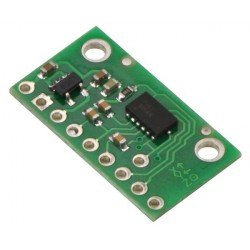 Accelerometers
(57)
Accelerometers
(57)
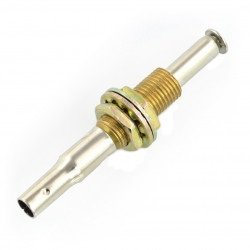 Door sensors
(11)
Door sensors
(11)
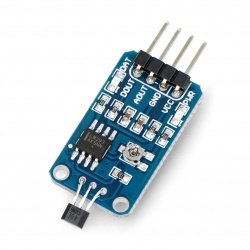 Hall effect sensors
(11)
Hall effect sensors
(11)
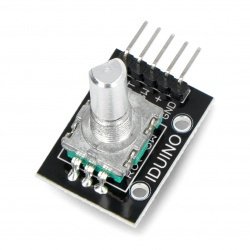 RPM sensors
(15)
RPM sensors
(15)
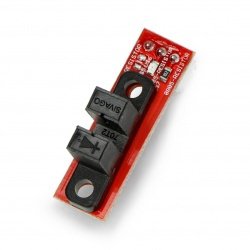 Optical sensors
(15)
Optical sensors
(15)
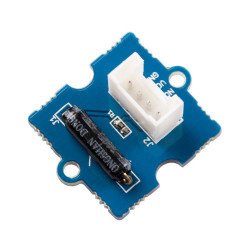 Tilt sensors
(3)
Tilt sensors
(3)
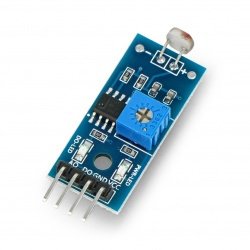 Resistance sensors
(14)
Resistance sensors
(14)
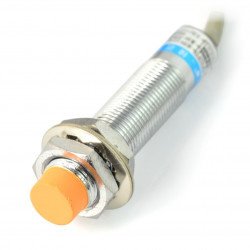 Inductive sensors
(16)
Inductive sensors
(16)
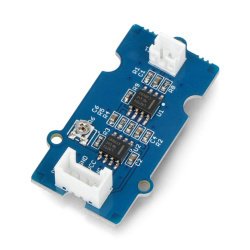 Piezoelectric sensors
(5)
Piezoelectric sensors
(5)
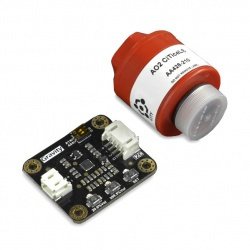 Oxygen sensors
(3)
Oxygen sensors
(3)
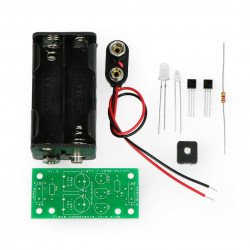 Twilight sensors
(3)
Twilight sensors
(3)
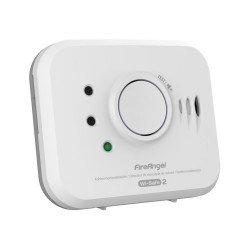 Alarm sensors
(8)
Alarm sensors
(8)
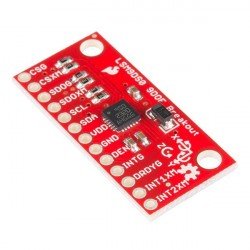 9DoF IMU sensors
(24)
9DoF IMU sensors
(24)
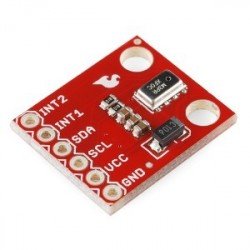 Pressure sensors
(43)
Pressure sensors
(43)
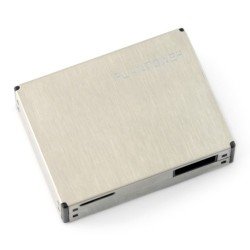 Air quality sensors
(66)
Air quality sensors
(66)
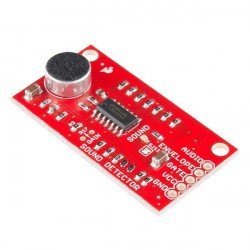 Sound sensors
(17)
Sound sensors
(17)
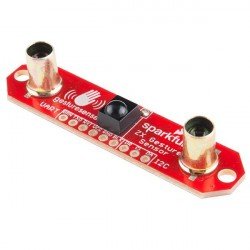 Gesture sensors
(8)
Gesture sensors
(8)
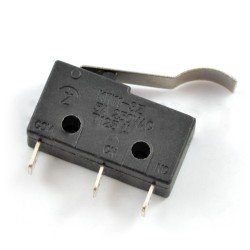 Limit switches
(22)
Limit switches
(22)
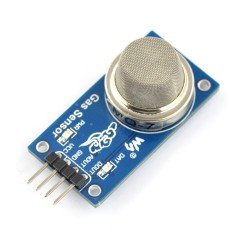 Gas sensors
(57)
Gas sensors
(57)
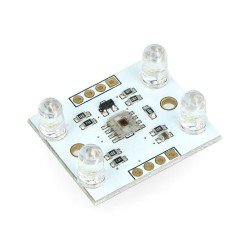 Sensors of light and color
(67)
Sensors of light and color
(67)
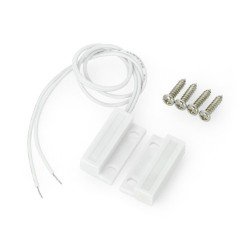 Magnetic sensors
(27)
Magnetic sensors
(27)
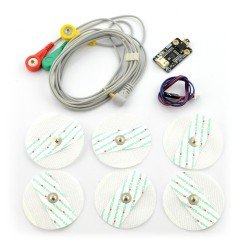 Medical sensors
(18)
Medical sensors
(18)
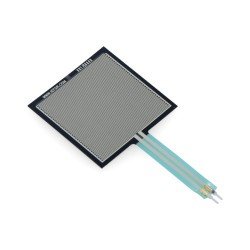 Pressure sensors
(34)
Pressure sensors
(34)
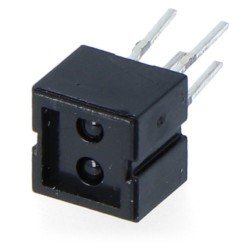 Sensors odbiciowe
(36)
Sensors odbiciowe
(36)
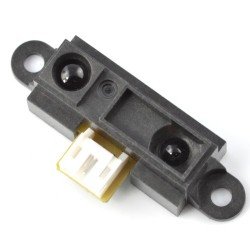 Distance sensors
(101)
Distance sensors
(101)
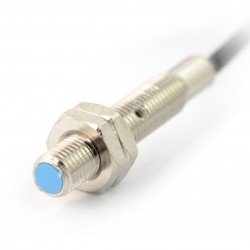 Inductive contactless sensors
(22)
Inductive contactless sensors
(22)
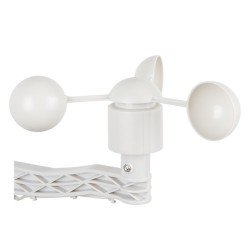 Weather sensors
(71)
Weather sensors
(71)
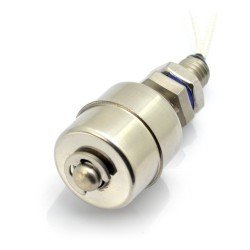 Liquid level sensors
(17)
Liquid level sensors
(17)
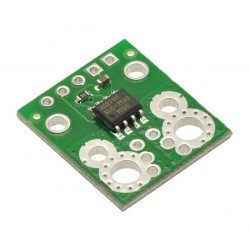 Current sensors
(38)
Current sensors
(38)
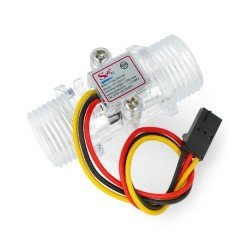 Flow sensors
(8)
Flow sensors
(8)
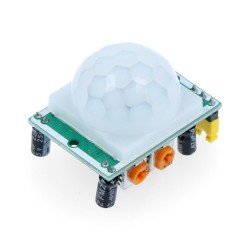 Motion sensors
(47)
Motion sensors
(47)
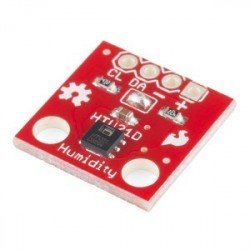 Temperature sensors
(179)
Temperature sensors
(179)
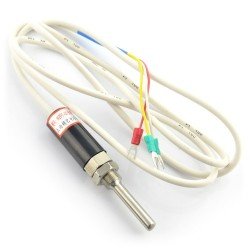 PT100 temperature probes
(11)
PT100 temperature probes
(11)
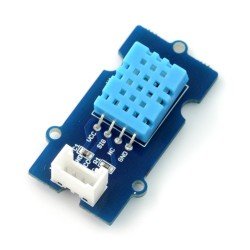 Humidity sensors
(95)
Humidity sensors
(95)
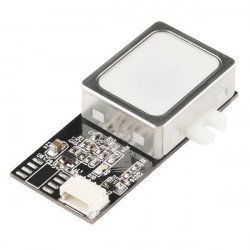 Fingerprint readers
(5)
Fingerprint readers
(5)
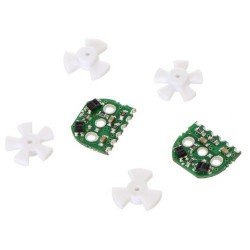 Encoders
(35)
Encoders
(35)
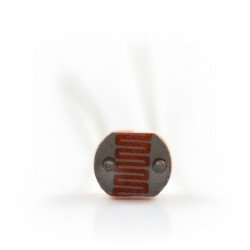 Photoresistors
(6)
Photoresistors
(6)
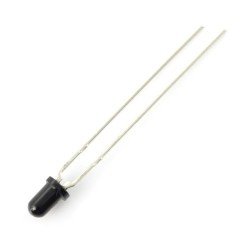 Phototransistors
(3)
Phototransistors
(3)
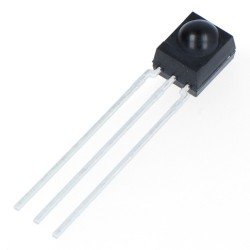 IR receivers
(14)
IR receivers
(14)
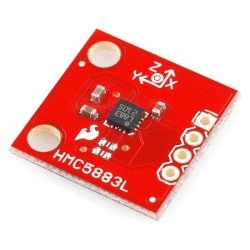 Magnetometers
(23)
Magnetometers
(23)
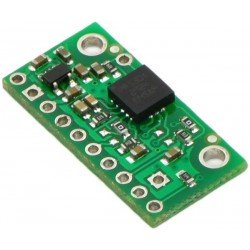 Gyros
(28)
Gyros
(28)
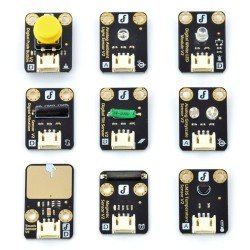 Sensor sets
(9)
Sensor sets
(9)
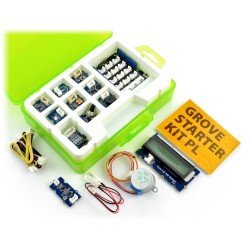 Grove modules
(187)
Grove modules
(187)
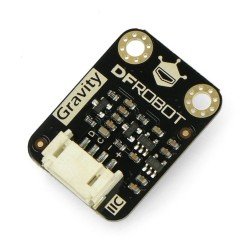 Gravity modules
(209)
Gravity modules
(209)
Products
See also
Sensors - FAQ
This is a very broad term and it is difficult to find precise information under this heading. An electronics engineer or person with a specific application in mind will mention a specific type of electronic sensor (sensor), for example one of the ones we have listed below. Broadly speaking, a sensor is a device that provides information from the environment or the operation of some equipment under the influence of a stimulus.
The electronic sensors include: accelerometers, alarm sensors, pressure sensors, air purity sensors, sound sensors, gesture sensors, limit sensors, gas sensors, light sensors, magnetic sensors, pressure sensors, reflection sensors, distance sensors, movement sensors, current sensors, humidity sensors... There are plenty of them, including special series of Gravity and Grove ecosystems cooperating with Arduino and Raspberry Pi .
For the safety of household members, you should first consider purchasing detectors protecting against fire or gas leaks (carbon monoxide, smoke, natural gas and, if necessary, also LPG) sensors. When building a smart home installation, you can expand the scope to include temperature, humidity and lighting sensors.