












































































A carbon monoxide detector is a small device that constantly monitors the air in a room for carbon monoxide. This gas is colorless and odorless, yet extremely hazardous to health. The detector warns household members, for example, with a loud audible alarm and flashing lights, when CO concentrations become dangerous. In this category, you'll find classic battery-powered detectors, Wi-Fi models that work with a phone app, and 2-in-1 detectors that respond to both carbon monoxide and smoke.
- New

- Sale
- Sale

Carbon monoxide detectors
Products: 3
Loading...
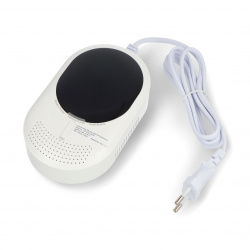
Tuya - WiFi gas and carbon monoxide detector - RTX WGCS1
The WGCS1 intelligent sensor monitors carbon monoxide (CO) and combustible gases such as methane and butane . Thanks to WiFi connectivity, the detector sends threat...
Index: REM-27831
Index: REM-27831
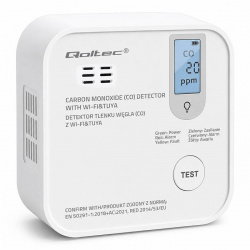
Battery-powered carbon monoxide detector - Tuya WiFi - Qoltec 52655
Qoltec's certified carbon monoxide detector with an electrochemical sensor detects dangerous carbon monoxide concentrations and warns with an 85 dB alarm, a red LED, and a...
Index: NTE-29290
Index: NTE-29290
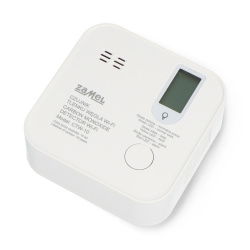
Tuya WiFi Carbon Monoxide Detector - Zamel Gardi CTW-10
The TUYA CTW-10 carbon monoxide sensor from Zamel provides a high level of protection against the silent, invisible threat of CO. It has a precise, electrochemical sensor...
Index: ZML-25465
Index: ZML-25465
- Discontinued product
Carbon monoxide detectors – a safety guard in every home
A carbon monoxide detector acts as a discreet sentinel placed in critical areas of the building. The device analyzes the air around the clock and responds when carbon monoxide reaches dangerous levels. Carbon monoxide is produced, among other things, by improper combustion in furnaces, fireplaces, gas heaters, or stoves. Symptoms of poisoning can easily be confused with a feeling of being unwell, so a quick warning is crucial.
Modern carbon monoxide detectors use electrochemical sensors, allowing them to respond to even relatively low concentrations of the gas. When CO levels rise, the device triggers an audible alarm and a visual signal. Residents can then ventilate the room, turn off the potentially dangerous device, and leave the building before serious health consequences occur. This simple solution significantly improves the safety of the entire family.
How do carbon monoxide sensors work and where to install them?
Inside the sensor housing is a component that detects the presence of carbon monoxide. The sensor monitors the air and sends a signal to the electronics when it detects an increased amount of the gas. When a pre-set threshold is exceeded, the device triggers an alarm. The user does not need to perform any complicated actions. The sensor operates automatically; only periodic testing and battery maintenance are required.
Sensors are most often mounted on walls or ceilings in rooms where fuel-burning appliances may be present. Typical locations include a boiler room, a bathroom with a gas water heater, a kitchen with a gas stove, a living room with a fireplace, or a hallway near a bedroom. It's important that the sensor has free access to air, is not obstructed by furniture, and is located in a location where the alarm can be clearly heard. Battery-powered models allow for complete freedom of location, eliminating the need for running power cables.
WiFi Carbon Monoxide Sensors – Security Connected with Smart Home?
The first group of products in this category are modern carbon monoxide detectors with WiFi connectivity, such as models compatible with the Tuya platform. This sensor operates like a traditional alarm device, but also connects to the home wireless network and a smartphone app. Key features of this device group include:
- immediate notifications on your phone when the sensor detects a dangerous CO concentration,
- information about the sensor status, alarm history and need for inspection,
- remote testing and alarm silencing via the application,
- integration with other smart home elements, e.g. a scenario for automatic activation of ventilation or emergency lighting.
This type of sensor is suitable for users who are often away from home, rent their apartment to other people, or want to have a full overview of the situation in the building.
Battery-powered carbon monoxide detectors – a simple and independent solution
The second important group consists of classic battery-powered carbon monoxide detectors, such as models with an LCD display. These are ideal for those looking to increase home security without additional configuration or network connectivity. Simply mount the detector in the appropriate location, insert the batteries, and run the test.
A battery-powered carbon monoxide detector operates independently of the electrical system, so it also works during a power outage. It informs household members of the threat with a loud audible alarm and a flashing LED. It often has a display that shows the current CO concentration and the device's status, and also signals the need to replace the battery, so the user doesn't miss a moment when protection could be interrupted.
Clear display
The display makes it easy to monitor the situation in the room, allowing you to check at a glance whether the detector is detecting any traces of carbon monoxide and ensure the device is working properly. These types of sensors are ideal for boiler rooms, bathrooms with gas heaters, fireplaces, as well as summer houses, caravans, and other places where constant power is not always available.
2-in-1 sensors – protection against carbon monoxide and smoke in one device
The carbon monoxide detector category also includes a group of devices that combine carbon monoxide detection with smoke detection. An example is a detector equipped with two separate sensors: a photoelectric sensor for smoke and an electrochemical sensor for CO. This allows a single device to monitor both the risk of fire and carbon monoxide poisoning. This solution offers several important benefits:
- protection against the two most common dangers in the home,
- fewer devices on the walls or ceiling mean a more aesthetic appearance of the rooms,
- one assembly procedure, one sound and light alarm, one instruction manual,
- many years of operation thanks to modern batteries and energy-saving electronics.
Where is the 2-in-1 sensor best suited?
The 2-in-1 sensor is particularly useful in areas where there are both heating appliances and a risk of smoke, such as near a fireplace, an open-plan kitchen connected to the living room, or a hallway leading to several rooms. A loud alarm notifies residents of the threat, regardless of whether the problem is carbon monoxide or smoke.