



New arrivals


On Sale
ESP32
Subcategories
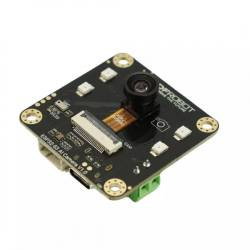
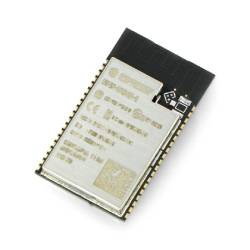
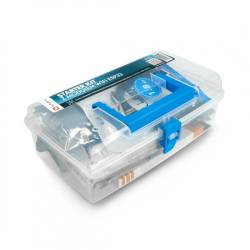
Products
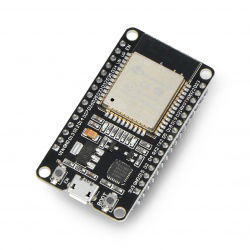



See also
What can you find in this category?
This category includes modules and kits based on ESP32 chips, designed for building IoT devices, educational projects, prototyping, and developing wireless applications. The offerings range from simple beginner boards to comprehensive development kits with additional components. Supporting WiFi, Bluetooth, and many other communication standards, these products enable the creation of modern, intelligent systems for home, industrial, and hobby projects.
Development modules and boards
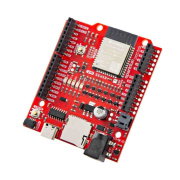
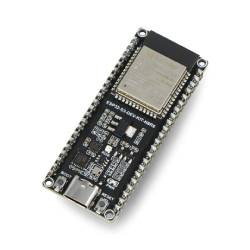
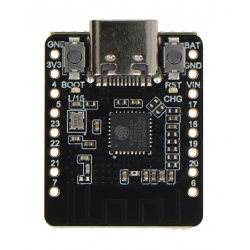
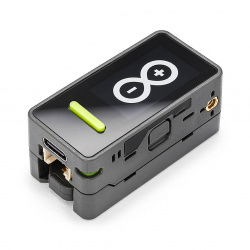
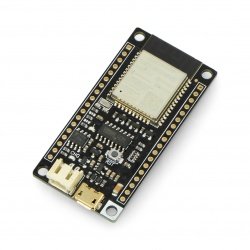
The core of the offering consists of compact boards with the ESP32 chip, which can be directly programmed in environments such as the Arduino IDE or MicroPython. These solutions are designed for those who want to quickly get started with ESP32, taking advantage of ready-made GPIO pins, communication ports, and built-in interfaces. These modules are ideal for prototyping sensors, controllers, and network-connected devices.
Starter and educational kits
For those just starting their ESP32 adventure, kits are available that include not only the module itself but also additional accessories such as cables, sensors, LEDs, and displays. These kits allow you to start learning immediately and implement your first projects without having to select separate components. Educational kits are often chosen in schools and workshops because they easily demonstrate how wireless communication works, how to control devices, and how to read data from sensors.
Tiles with additional functions
This category also includes modules extended with additional components, such as cameras, displays, environmental sensors, and GPS systems. These modules enable the creation of projects requiring image processing, localization, or air quality measurements. Combining the ESP32 with a camera module allows for the construction of monitoring systems or intelligent image recognition devices, while the integrated screen facilitates data display and user interface control.
Displays and integrated devices
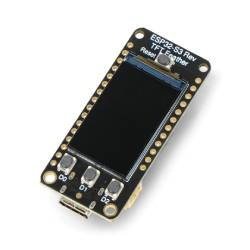
The offering also includes e-paper displays, LCDs, and TFTs with integrated ESP32. These solutions enable the creation of energy-efficient information panels, bulletin boards, and devices for real-time data presentation. E-paper displays are particularly useful in projects where images must remain visible for extended periods without power consumption, while LCDs and TFTs are suitable for applications requiring interactive touchscreen operation or color content presentation.
Industrial and specialized modules
Part of the product range includes solutions designed for industrial environments. These include controllers with enclosures adapted for installation in control cabinets, modules supporting multiple communication standards, and boards enabling the connection of specialized sensors and controllers. Such devices are used in building automation, production monitoring systems, and machine control.
Frequently Asked Questions / FAQ
Tak, płytki ESP32 zaprogramujesz w Arduino IDE, a wiele także w MicroPythonie. Arduino Nano ESP32 obsługuje Arduino i MicroPython. Urządzenia M5Stack, np. M5Atom Voice, programujesz dodatkowo w graficznym środowisku UiFlow.
Nie. Moduł to sam układ z pamięcią i anteną do przylutowania na własnej płytce drukowanej, np. ESP-WROVER-E. Płytka rozwojowa ma dodatkowo złącza i port USB, więc od razu podłączysz ją do komputera i płytki stykowej. Na start wybierz płytkę rozwojową, a moduł SMD do własnego projektu obwodu drukowanego.
Różnią się liczbą wyprowadzeń i zastosowanym modułem. Płytka z ESP-WROOM-32 ma 30 wyprowadzeń, a ESP32-DevKitC-32E V4 z ESP-WROOM-32E ma 38. Obie zasilasz napięciem 5 V i obie oferują UART, SPI oraz I2C. Przed podłączeniem czujników sprawdź rozkład wyprowadzeń (pinout) swojej wersji płytki.
Oznaczenie opisuje ilość pamięci w module. Liczba po literze N to pamięć Flash w MB, a liczba po literze R to pamięć PSRAM w MB. Większy PSRAM przyda się przy buforowaniu obrazu z kamery i obsłudze dużych ekranów.
Tak, część płytek ESP32 ma układ ładowania akumulatora i niski pobór prądu w uśpieniu. XIAO ESP32-S3 i XIAO ESP32-C6 zarządzają ładowaniem akumulatora, a DFRobot FireBeetle ESP32 przyjmuje zasilanie z baterii 3,7 V. Aby wydłużyć czas pracy, usypiaj układ między pomiarami.