




























A spectrum analyzer is a measuring instrument that shows how a signal appears in the frequency domain, not just over time. Instead of a single value, you get a graph showing which frequencies are present in the signal and with what power. The device "breaks" the signal into frequency components using digital processing algorithms and presents the result in the form of a readable spectrum. Thanks to their wide measurement bandwidth, high sensitivity, and filtering functions, spectrum analyzers enable precise analysis of RF signals, audio signals, and complex communication systems. They allow for quick detection of interference, checking bandwidth occupancy, and analyzing modulation and signal parameters in real time. Spectrum analyzers are used in telecommunications, radio engineering, wireless device servicing, and transmission system design, among other industries.
- New

Spectrum analyzers
Products: 4
Loading...
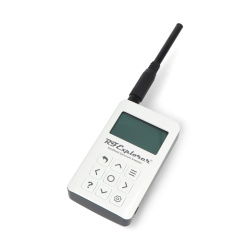
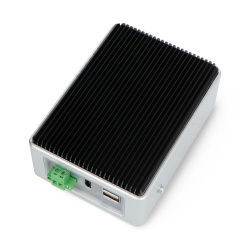
Portable RF spectrum analyser Explorer WSUB1G Plus - Slim + case
Portable, high-performance digital spectrum analyzer designed to operate in a wide frequency range from 50 kHz to 960 MHz . Compact and easy to use, it offers a wide range...
Index: SEE-25154
Index: SEE-25154
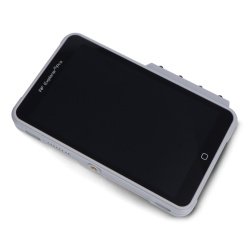
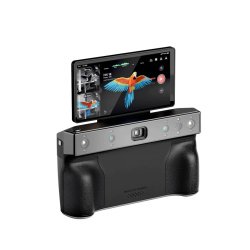
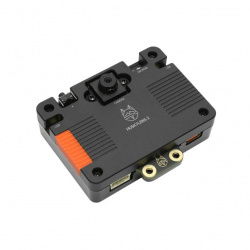
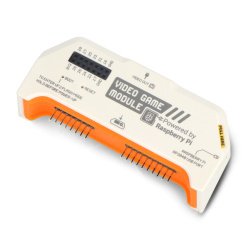
RF Explorer Pro is an advanced RF signal analysis and optimization tool from Seeedstudio . It combines a spectrum analyzer, power meter, and signal tracer with an...
Index: SEE-23894
Index: SEE-23894
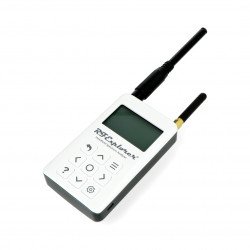
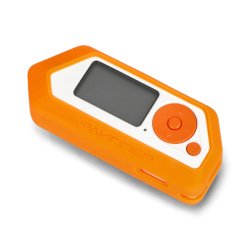
Mobile spectrum analyzer RF Explorer ISM Combo Plus - Slim
A small, powerful spectrum analyzer operating in the 50 kHz band and from 2.34 GHz to 2.55 GHz, enabling scanning of the popular 2.4 GHz frequency. The Slim version has...
Index: SEE-15305
Index: SEE-15305
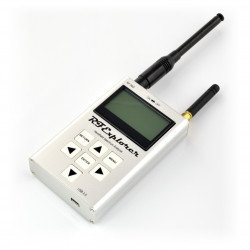
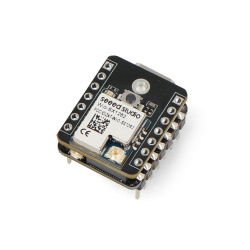
Portable, digital spectrum analyzer. Works in the frequency band from 15 MHz up to 2700 MHz. It has an integrated frequency synthesizer and double mixer which offers high...
Index: SEE-04369
Index: SEE-04369
Analyzers for bands below 1 GHz
Our offer includes analyzers designed for bands below 1 GHz, convenient for servicing classic radio systems, television, FM, antenna installations, GSM networks in lower frequency ranges, and amateur applications. Such devices are ideal when you need a universal meter for basic RF system diagnostics and tuning without investing in the most complex solutions.
We offer analyzers that offer several spectrum presentation modes, waveform freezing and previewing, marker operation for selected frequencies, and simple comparison functions for current measurements with stored results. This allows you to monitor power levels, channel occupancy, and the quality of amplifiers and antennas, and easily transfer measurement results to a computer for documentation or report preparation.
Easy-to-read screen and long battery life
Selected devices in this category utilize a built-in LNA amplifier and a switchable input attenuator, offering a wide measurement dynamic range. A clear LCD screen displays the spectrum as a graph, while marker and bandpass functions facilitate precise readings of frequencies and power levels. Long battery life allows for convenient use of the analyzer both in a stationary environment and in the field.
Additionally, we offer spectrum analyzers with increased battery capacity and a USB port, which makes connecting to a computer, using a power bank, updating software, and saving measurement results quick and easy.
Combo models for sub-1 GHz and 2.4 GHz bands
This category also includes combo spectrum analyzers that simultaneously support bands below 1 GHz and the 2.4 GHz band. A single device allows you to check antenna installations, FM, and TV bands, and then move on to analyze Wi-Fi networks, Bluetooth devices, IoT systems, and other solutions using the 2.4 GHz frequency. This device simplifies the work of installers, service technicians, and those responsible for maintaining wireless infrastructure in office buildings, manufacturing facilities, and warehouses.
Combo models offer modes for viewing bandwidth usage, observing signal changes over time, recording peak levels within a given frequency range, and integration with computer software. This makes the analyzer a convenient diagnostic center for the entire facility.
Broadband analyzers for advanced systems
For users working with RF systems, among other things, we offer broadband analyzers with bandwidths reaching several gigahertz. Choose these instruments when operating extensive wireless networks, point-to-point radio links, spectrum monitoring systems, or modern data transmission solutions. The wide frequency range allows for the observation of multiple bands and channels in a single scan, while the high measurement dynamics facilitate the detection of short-duration or intermittent signals.
Analyzers of this class offer extensive analytical features, such as multiple markers, viewing signal changes over time, long measurement sessions with results saved to internal memory or external storage, and a waterfall view allowing for tracing the spectrum's history. Communication interfaces allow you to integrate the analyzer into an automated measurement chain, run test sequences, and create your own laboratory procedures.
All-in-one devices
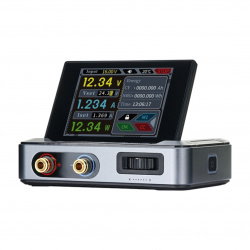
This category also includes advanced all-in-one devices that combine the functions of a spectrum analyzer, power meter, tracking generator, and signal range mapping tools. Such equipment can become a central measurement tool for working with RF systems both in the laboratory and in the field. A large screen, often touchscreen, facilitates viewing data, zooming in on spectrum sections, working in multiple windows simultaneously, and accessing extensive settings without the need for tedious menu navigation.
The software for these devices offers various operating modes, such as band analysis, power level monitoring, and integration with a tracking generator for filter and attenuator testing. It also offers special profiles for Wi-Fi networks, IoT systems, and spectrum monitoring in a given area. A GPS coverage mapping function allows for the creation of heat maps showing areas with good, average, and weak signals. A USB port and network connections facilitate archiving, exporting results to other programs, presenting data on large screens, and integrating the analyzer into an automated test environment.