



New arrivals


On Sale

Raspberry Pi 3
Subcategories


Products






See also
Changes in base components – Raspberry Pi 3B vs Raspberry Pi 3B+
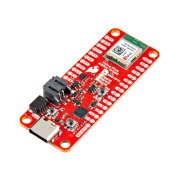
The parameters of the processor used in a computer are usually the first element that the user compares with competing device models, and when considered within the same product line, they indicate the development of the brand. It is no different in the case of single-board minicomputers - in this field, Raspberry Pi has long set standards and is a reference point for other manufacturers. Version 3B is based on a quad-core Broadcom BCM2837 SoC processor clocked at up to 1.2 GHz and ARM Cortex-A53 architecture. The 3B+ edition, introduced less than two years later, switched to the more efficient BCM2837B0 processor with a frequency of up to 1.4 GHz. The graphics coprocessor remains the same (Broadcom VideoCore IV 250MHz), both models also offer a maximum SDRAM memory size of 1 GB.
Faster network and newer standards
The new Raspberry Pi 3B+ also introduces further improvements in connectivity – both wireless and wired. The Bluetooth module supports the newer Bluetooth 4.2 LS BLE standard than before (for comparison, the 3B model offered 4.1 BLE connectivity), but the biggest change that will please loyal fans of the "raspberry" will certainly be the switch to WiFi 802.11 b/g/n/ac dual band 2.4/5 GHz. The ability to connect to 5 GHz networks ensures better, more stable data exchange with modern routers and computers supporting the new WLAN standard. Another improvement, although not always mentioned in press information, is the transition to a full-speed 10/100/1000 Mbit/s Ethernet connection - earlier versions of Raspberry Pi had a built-in Ethernet ↔ USB converter module, connected to the internal USB 2.0 bus, and this limited the actual transmission speed up to 300 Mbit/s. Fortunately, the introduction of these changes did not result in a significant increase in production costs compared to Raspberry Pi 3. The price of the new minicomputer is comparable to the 3B version, which is certainly a big advantage for Raspberry users.
Raspberry Pi 3A+ - a compact version of the mainstream "raspberry"
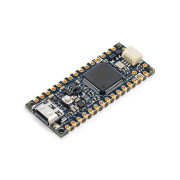
The Raspberry Pi 3A+ minicomputer is the third edition of the "slimmed" version of the B model, containing one USB A port, full-size HDMI, microSD slot, DSI and CSI connectors, as well as the famous 40-pin GPIO connector and, of course... the Bluetooth 4.2/WiFi dual module band, known from the 3B+ module. The small dimensions of the 3A+ module (65 x 56 x 8.5 mm) naturally dictate the appropriate use for the new Raspberry Pi 3 - the board will work perfectly as a built-in controller for many devices in which the B model would not fit due to the amount of free space. in the target application housing. An important advantage of the 3A+ version is the price of this model offered by the Raspberry Pi manufacturer - several dozen percent lower than in the case of the 3B+ edition, although both minicomputers are based on the same processor. The difference is the amount of SDRAM memory - the "raspberry" 3A+ is only available in the 512 GB version, while the 3B and 3B+ offer 1 GB RAM as standard.
Raspberry Pi 3 - FAQ
The Raspberry Pi 3 versions are Raspberry Pi 3A+ , Raspberry Pi 3B and Raspberry Pi 3B+ . Version B plus has undergone significant changes in the base components, received faster network support and new communication standards. RPi 3A+ is a more compact version. You can follow trends and changes in the brand here .
The models differ in RAM, number of processor cores, processor speed, physical size, network connection and peripheral expansion options. For example: if you are looking for a solid solution with a lot of computing power, you will probably choose Raspberry Pi 3B+ with the largest RAM, the fastest CPU and the largest number of cores.