



On Sale
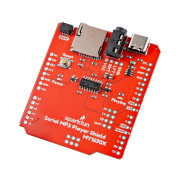
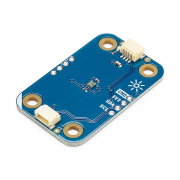
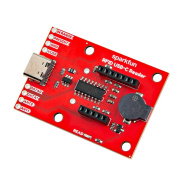
Gravity - gas & dust sensors
Products


See also
Air purity sensors
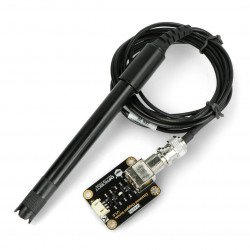
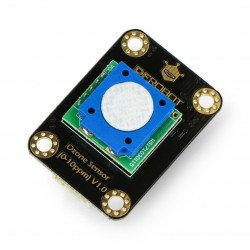
Modern designs of air purity sensors are very often electrochemical sensors. The principle of operation of such a sensor usually consists in conversion of energy of a chemical reaction into a voltage signal, which is supplied to a further part of the measuring device's system. The body of such a sensor is usually an electrode made of metal oxides, which depending on the chemical composition reacts with specific gases contained in the atmosphere. Among constructions of air quality sensors we can also find photoionisation sensors and optical sensors with infrared diode.
Accuracy of air quality measurement
Just like any other measurement technique, also in the case of measurements with gas and dust sensors there are factors which may significantly influence the accuracy of the final measurement result. In this case, the presence of other gases and chemicals that the sensor does not detect, the temperature, pressure and humidity of the measurement environment, as well as the electromagnetic compatibility of the sensor's measuring system all affect the accuracy of the measurement. Not without significance is also the construction and accuracy of the measuring system cooperating with the sensor, i.e. the bit resolution of the ADC and the time of measurement data acquisition. The designers from the R&D department of DFRobot met these expectations by creating the Gravity series, which also includes high-quality sensors for measuring the concentration of gases in the surrounding atmosphere.
Carbon dioxide sensors from DFRobot
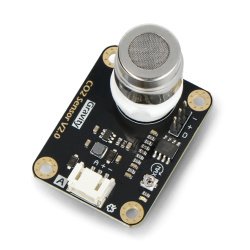
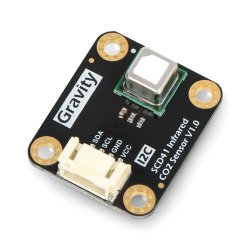
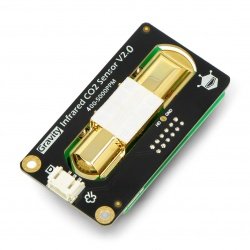
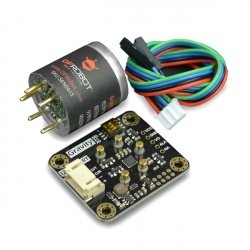
Carbon dioxide sensors offered by Botland store from DFRobot guarantee high accuracy measurement ofCO2 concentration in the air, even in extremely different environmental conditions. The measurement takes place in real time.CO2 sensors from DFRobot were designed to be fully compatible with Arduino base modules. The manufacturer has prepared sample program codes that you can download for free and upload to the microcontroller memory on your Arduino base board. To connect the carbon dioxide sensor to the Arduino base module, connect the digital output to any pin in the "DIGITAL" section of the Arduino (the port should be set to input mode), and connect the analog output to any pin in the "ANALOG" section.CO2 sensors from DFRobot are electrochemical sensors, which in contrast to standard IR sensors, have a much larger measuring range. The principle of operation of such a sensor is based on the analysis of chemical reactions in a galvanic cell. Reactions involving a solid electrolyte result in the release of carbon dioxide.CO2 concentration sensors from the Gravity series can be used in the design of real-time air quality monitoring instruments and in agriculture to study fermentation.