



New arrivals


On Sale
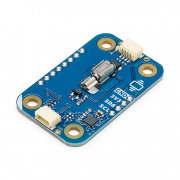
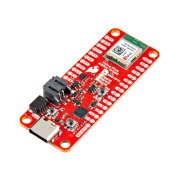
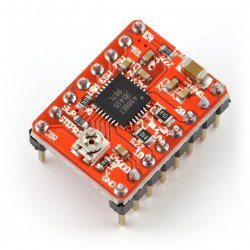
StepStick - stepper motor controllers
A stepper motor driver in a 3D printer is used to… control stepper motors. 3D printing is just one of their domains - you will find them wherever it is necessary to control the direction and speed of rotation of a stepper motor, in robotics and automation, in particular in 3D printers, CNC machines and plotters.
Products




See also
A4988 IC chip
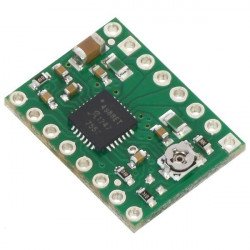
Many driver controllers are based on the A4988 IC from a leading manufacturer in the field of robotics and automation, Pololu. This cleverly designed system allows you to work with devices that allow you to control logical states, such as Arduino, Raspberry Pi, STM32 Discovery and other numerous microcontrollers available on the market. Implementation in a 3D printer or in an assembly with another device is usually very simple. In the product descriptions in Botland, we have included tips describing the connection of the controller and specification elements, such as resolution or load guidelines, which are not always included in the offers of electronics stores.
Stepper motor driver - good, so what?
Stepper motors are practically fundamental elements of a 3D printer that take care of axis movements and are controlled by a motor driver. The owner of the 3D printer determines the power, speed, precision, temperature and, in a way, the volume of the 3D printer engine. Those interested in upgrading a 3D printer can bet on alternatives - then the original stepper driver is often replaced with the so-called. silent stepper driver to reduce the noise generated during 3D printing
Stepstick modules
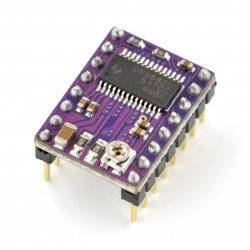
StepStick controls and drives one stepper motor. It is commonly used in RepRap or similar 3D printers in conjunction with other controllers. It is characterized by a simple step and direction control interface, five different step resolutions: full step, half step, quarter step, ⅛ step and 1/16 step, adjustable current control that allows you to set the maximum output current with a potentiometer that allows you to use a voltage above the rated voltage of the stepper motor to achieve higher step speeds and finally the intelligent control that automatically selects the appropriate current distribution mode. It has protection against short-circuit to ground and short-circuit on load.