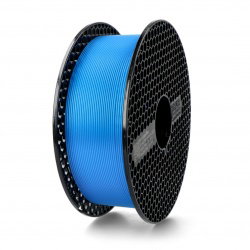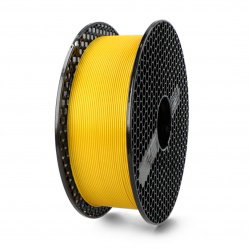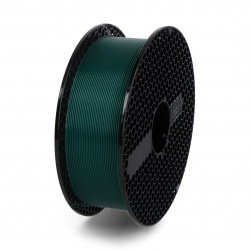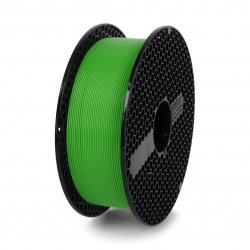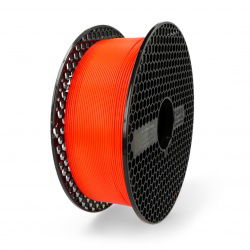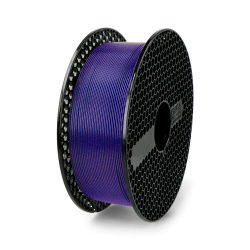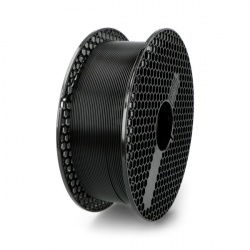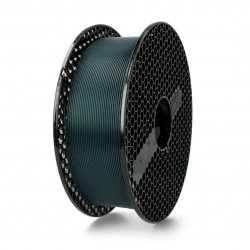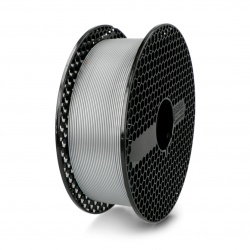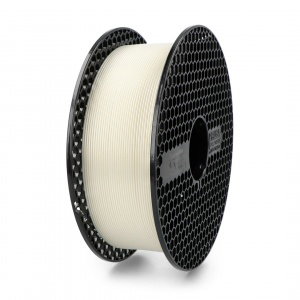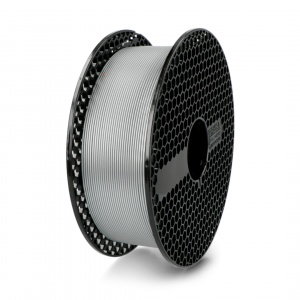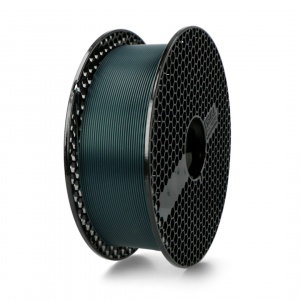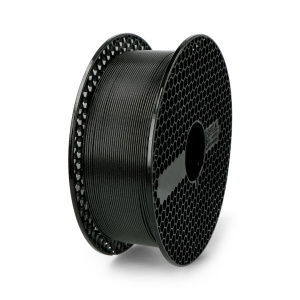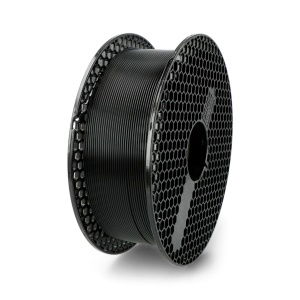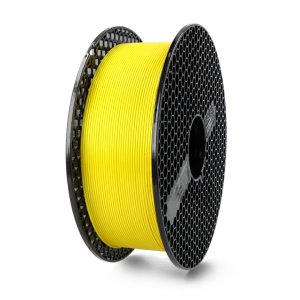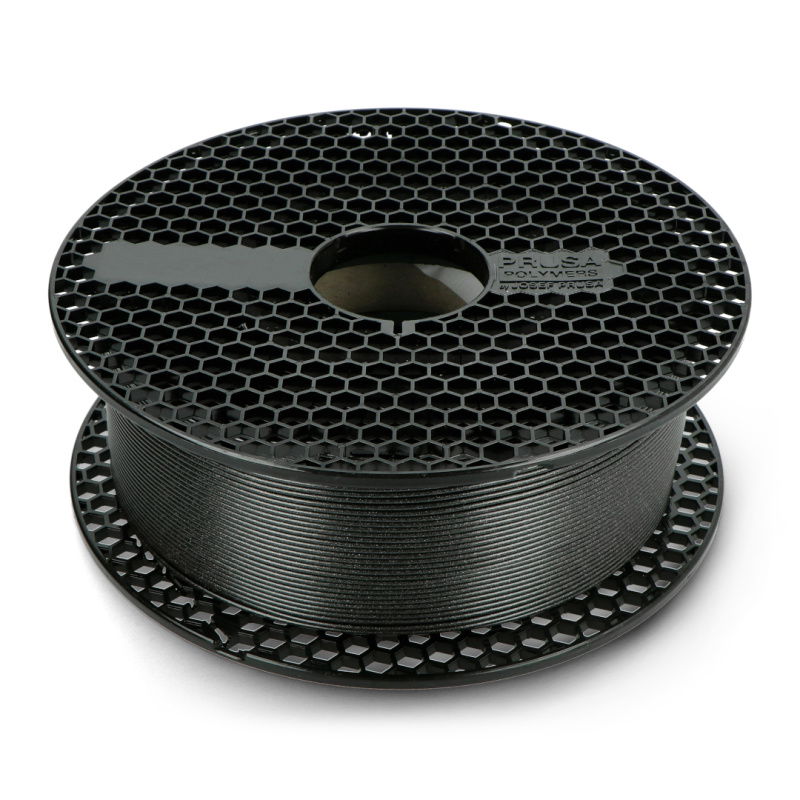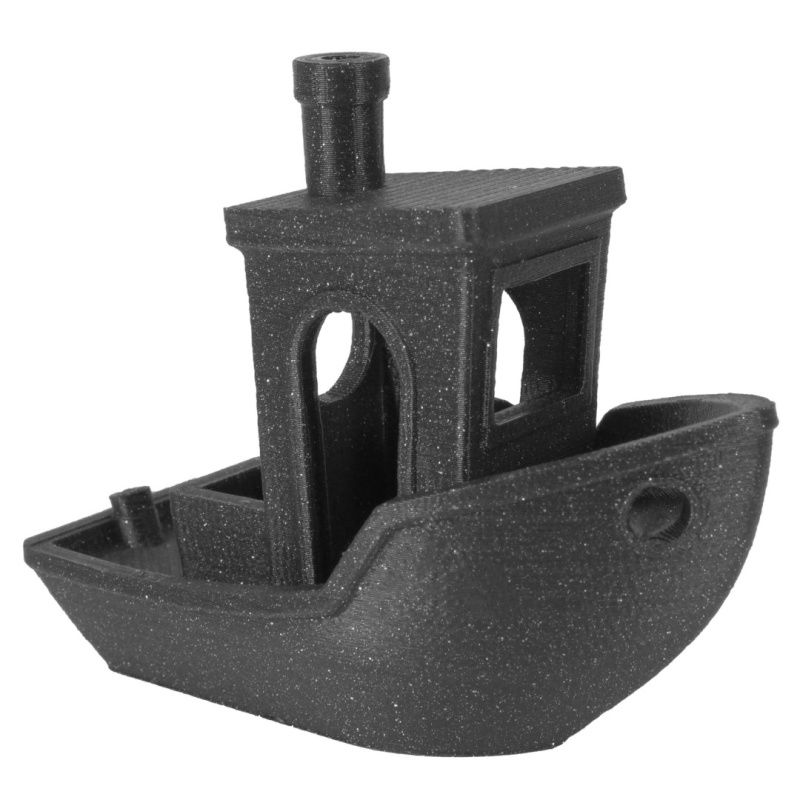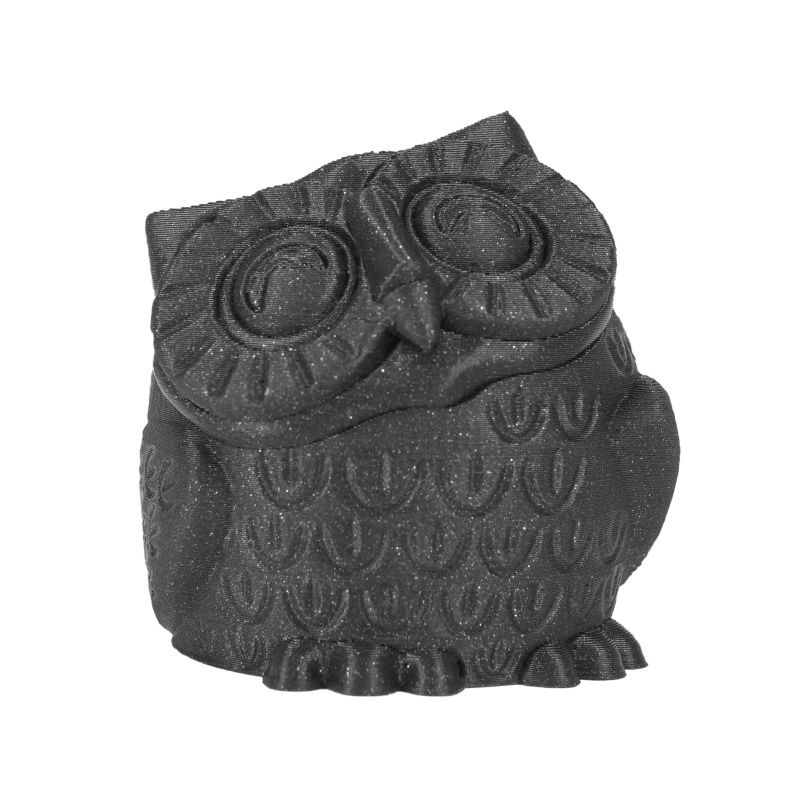
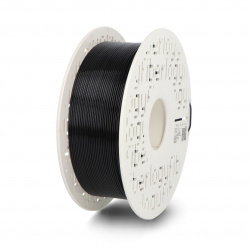































































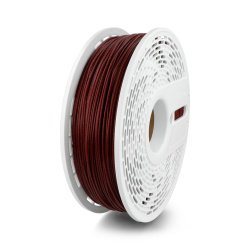













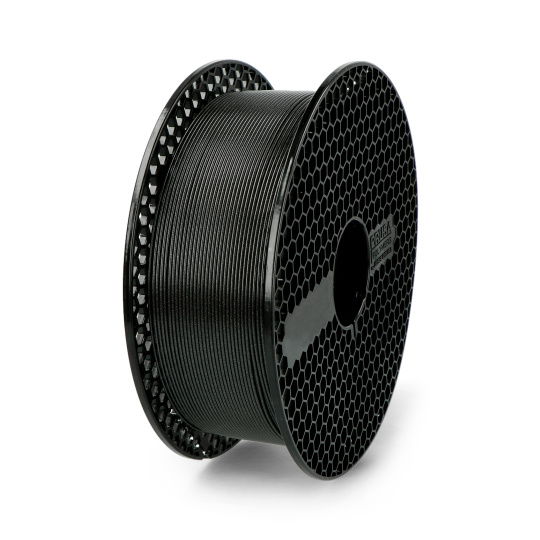
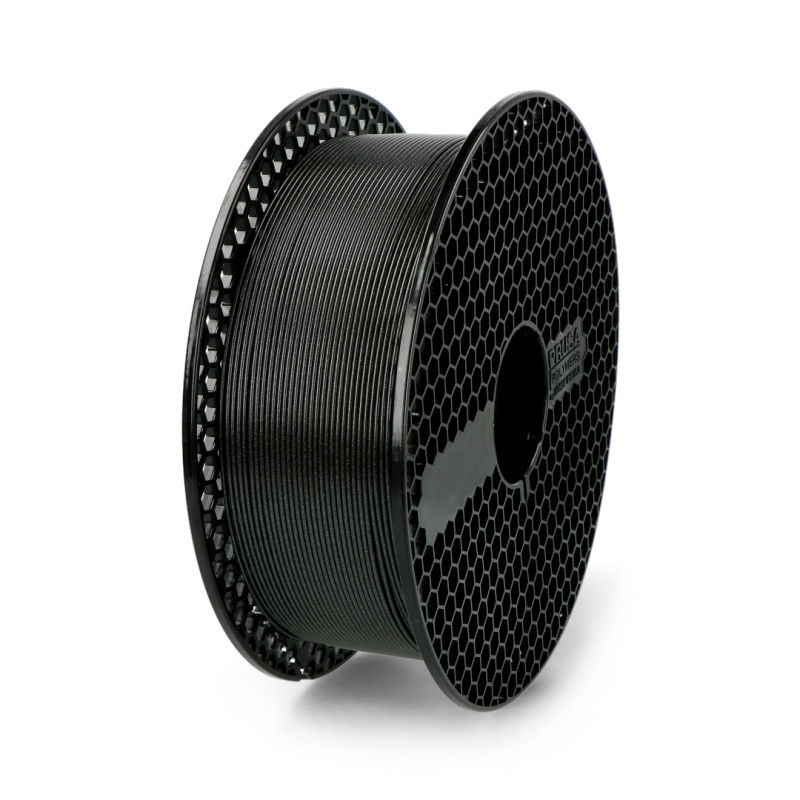


Prusa 3D printer filament is made of PLA in Galaxy Black . Its diameter is 1.75 mm and the net weight is 1 kg . Prusament is biodegradable and made from renewable natural resources. It can be repeatedly heated above its melting point without significant loss of properties. It has low temperature resistance and is intended for indoor use.
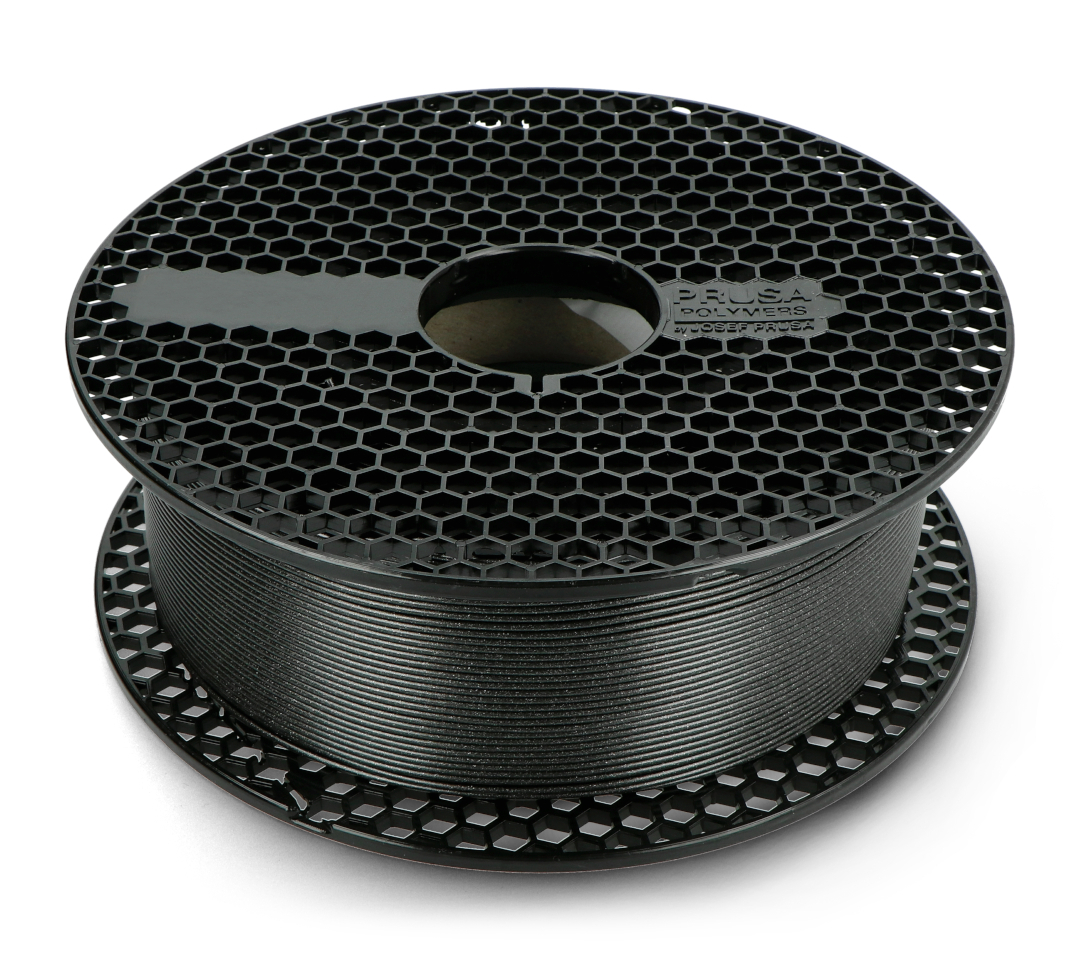
Filament Prusa PLA 1.75mm 1kg - Galaxy Black NFC.
3D printing filaments in a nutshell.
| Head temperature | From 205°C to 225°C |
| Table temperature | From 40°C to 60°C |
| Print cooling | Recommended |
Due to differences in printer design, the above data should be treated as guidelines and the appropriate values should be determined experimentally.
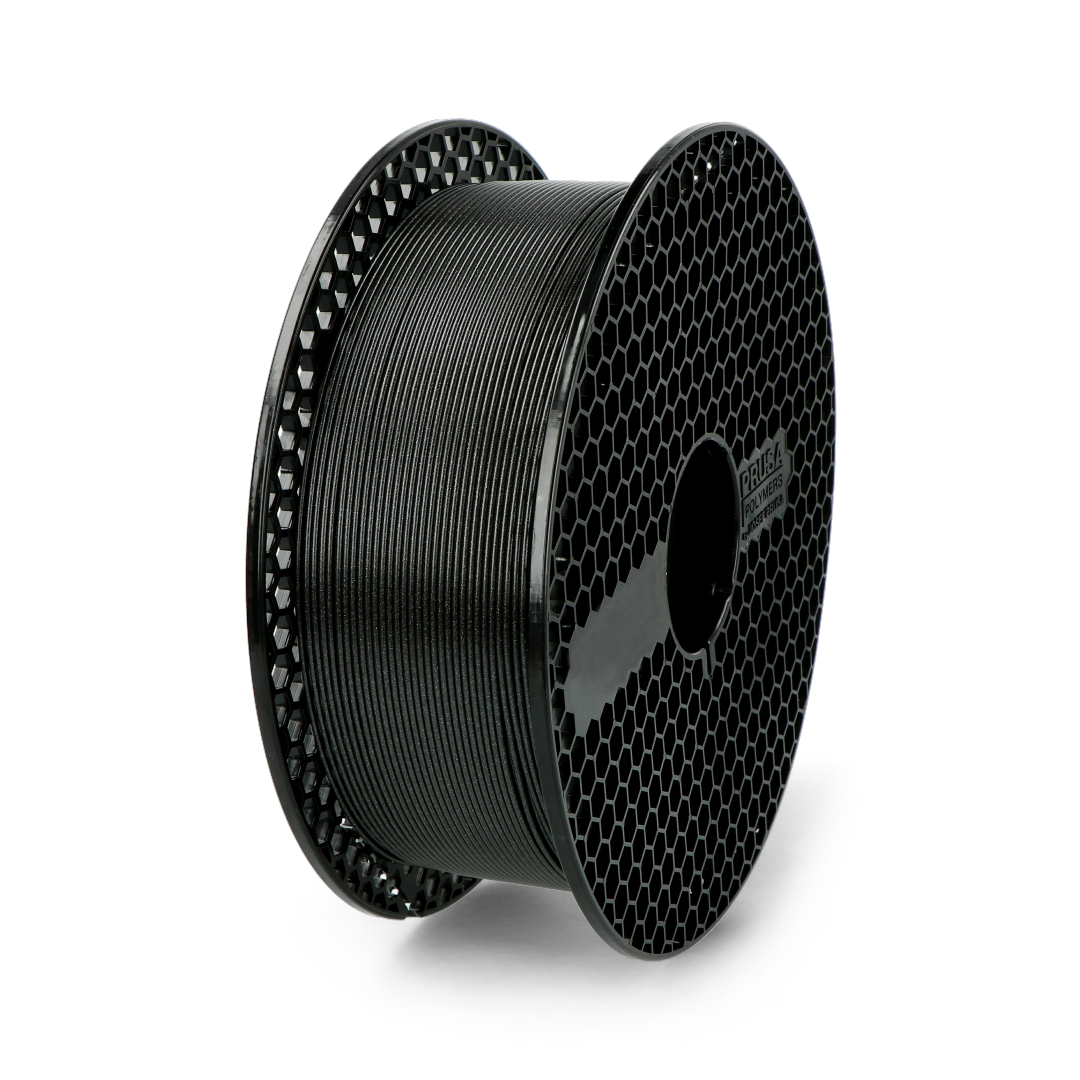
Filament Prusa PLA 1.75mm 1kg - Galaxy Black NFC.
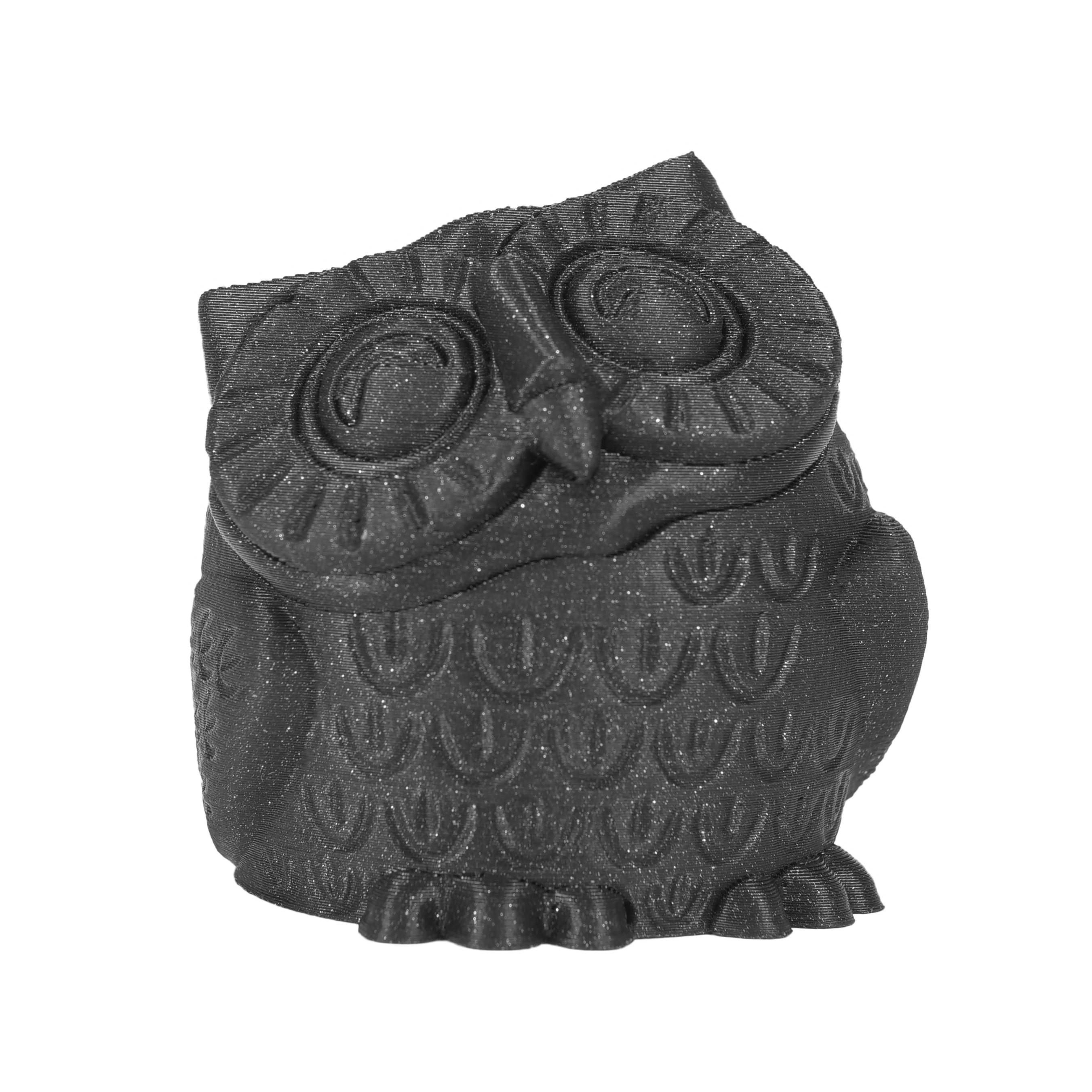
Model made of PLA filament.
PLA filaments are materials, which are widely used in 3D printing. A key feature of Prusa's offering is the use of biodegradable raw materials – this allows you to reduce your environmental impact.
Thanks to the use of modern technologies, Prusa PLA 1.75 mm 1 kg Galaxy Black filament offers many benefits. Choose proven, professional solutions that will enable you to create durable and visually appealing models.
Prusa products have always been characterized by high durability, and the 1.75mm 1kg Galaxy Black PLA filament is no exception. However, it's important to remember the proper conditions in which this type of material should be used.
A specific characteristic of polylactic acid is its poor resistance to UV radiation and temperatures exceeding 60°C. Therefore, components made from this material should not be exposed to sunlight for extended periods.
Filaments are hygroscopic, meaning they absorb moisture. Therefore, breaking the airtight vacuum packaging permanently reduces the quality and value of the product. For this reason, if an unpacked item is returned, the refund amount will be proportionally reduced. This does not apply to returns resulting from manufacturing defects in the material, such as damaged or cut filament. Please carefully check the color and material type on the label before opening the foil packaging.
Useful links |
| Colour | black |
| Mass | 1000 g |
| Filament - material | PLA |
| Filament - diameter | 1.75 mm |
| Filament - Spool | Standard |
| Niebezpieczne | Component |
| Materiał - podział podstawowy | PLA |
| Package width | 21 cm |
| Package height | 22.5 cm |
| Package depth | 8.3 cm |
| Package weight | 1.4 kg |
Be the first to ask a question about this product!
Product Information
The product is a component intended for further assembly/prototyping. It does not constitute a standalone finished product within the meaning of product safety regulations.
Dane GPSR
Country of Origin: Poland
Manufacturer Contact Details: Prusa Research a.s. Partyzánská 188/7A 17000 Praga 7, Republika Czeska
EU Marketer Contact Details: Botland B. Derkacz Sp. K., Gola 25A, 63-640 Bralin