













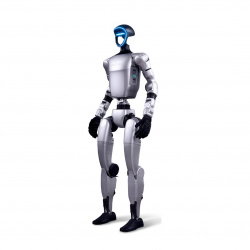


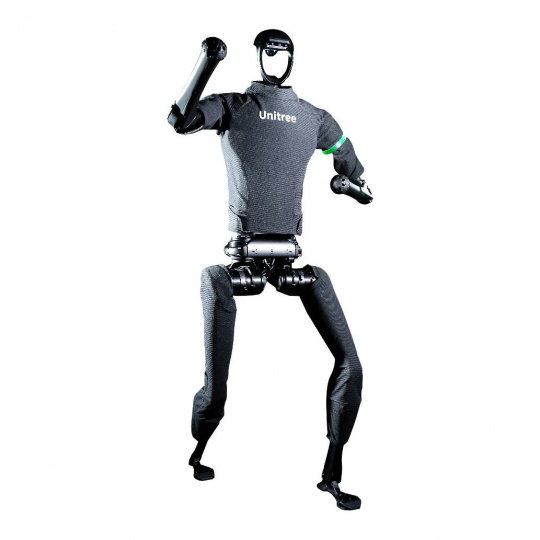
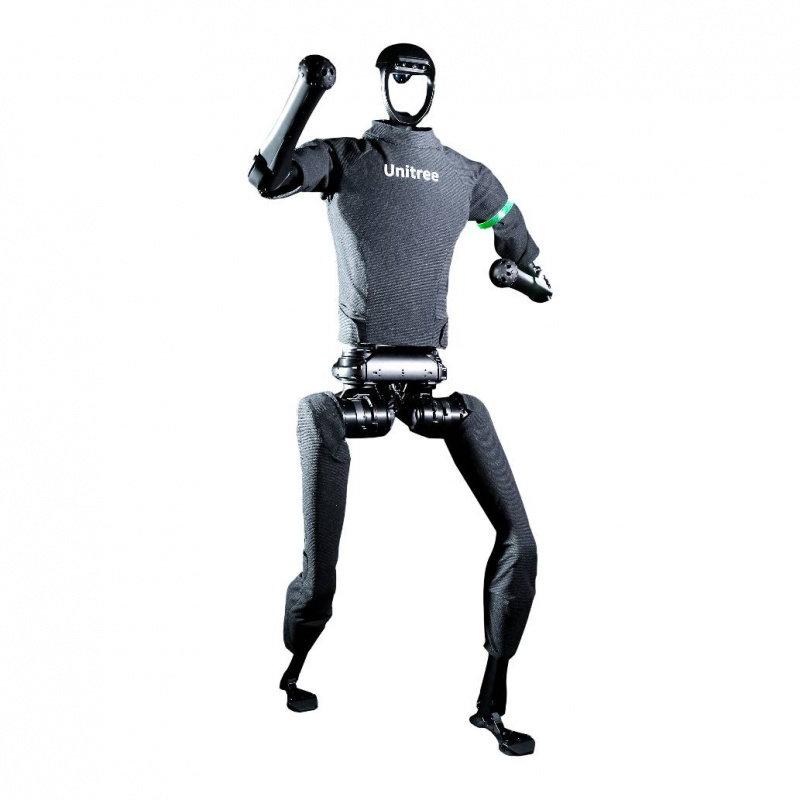


Unitree H1 is a full-size humanoid robot , approximately 180 cm tall and weighing approximately 47 kg , equipped with 19 degrees of freedom , proprietary Unitree M107 drives with up to 360 Nm of torque, and a perception system based on 3D LiDAR and a depth camera . The platform offers movement speeds of up to 3.3 m/s , powerful Intel Core i5/i7 computers, a replaceable 864 Wh battery , and an open environment for programming , AI research, and autonomous robotics.
The Unitree H1 humanoid robot was designed as a universal research and development platform for applications related to artificial intelligence, autonomous navigation, and human-robot interaction. The approximately 180 cm tall structure utilizes 19 degrees of freedom , high-performance PMSM drives with a maximum torque of up to 360 Nm , and a perception system based on the Livox MID-360 3D LiDAR sensor and the Intel RealSense D435i depth camera . The robot reaches speeds of up to 3.3 m/s , is equipped with Intel Core i5 and Intel Core i7 processors for custom application development, supports OTA updates, and has a quickly replaceable 864 Wh lithium-ion battery . The open hardware and software architecture enables the development of custom control algorithms, computer vision, and autonomous robotic systems.
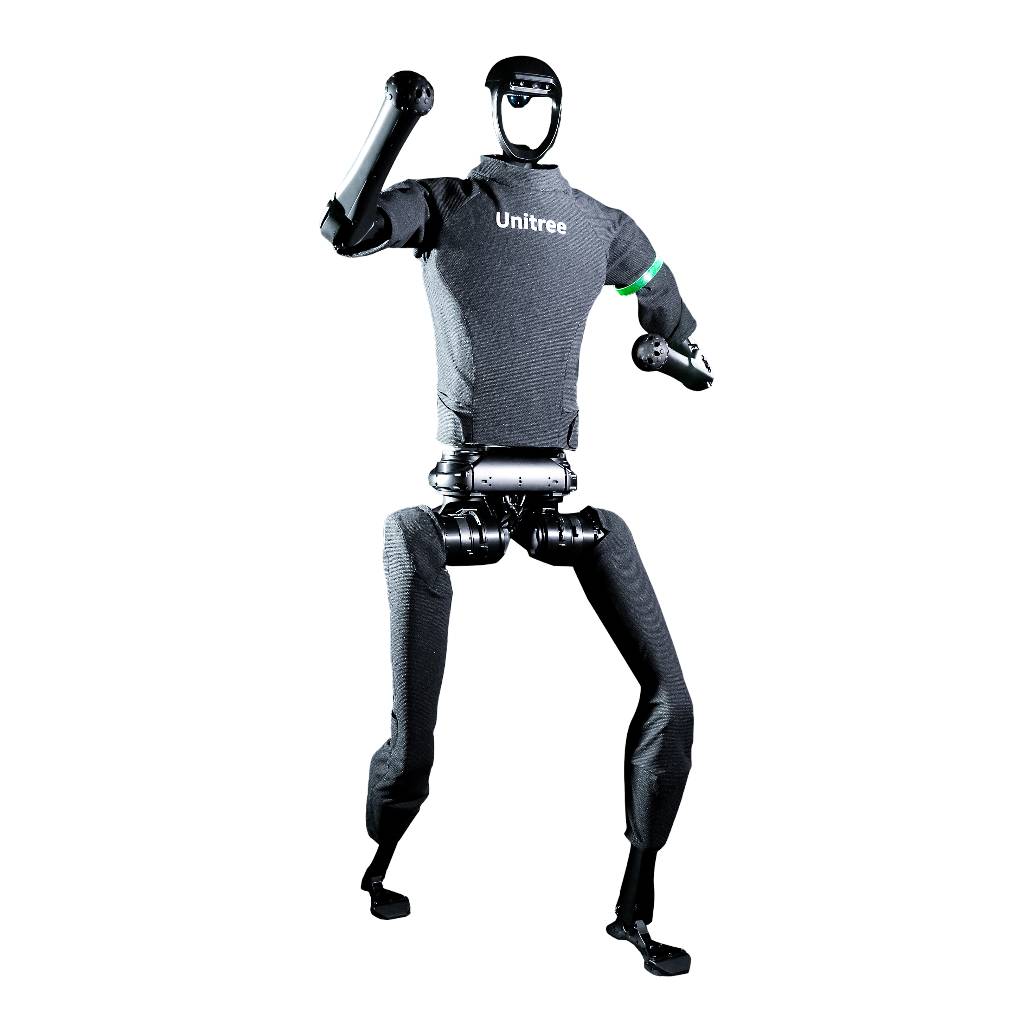
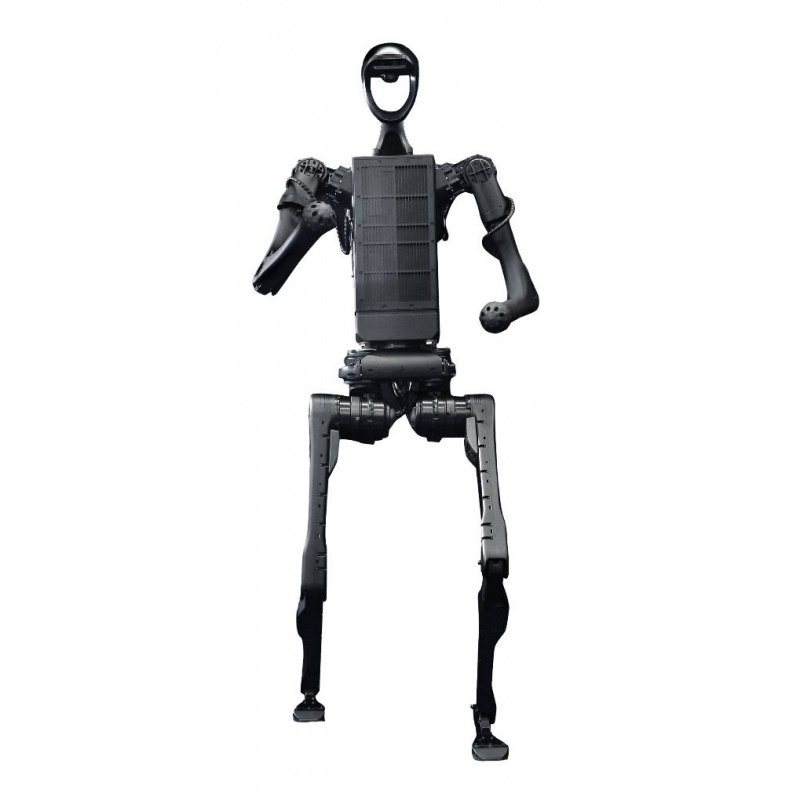
Humanoid robot - Unitree H1.
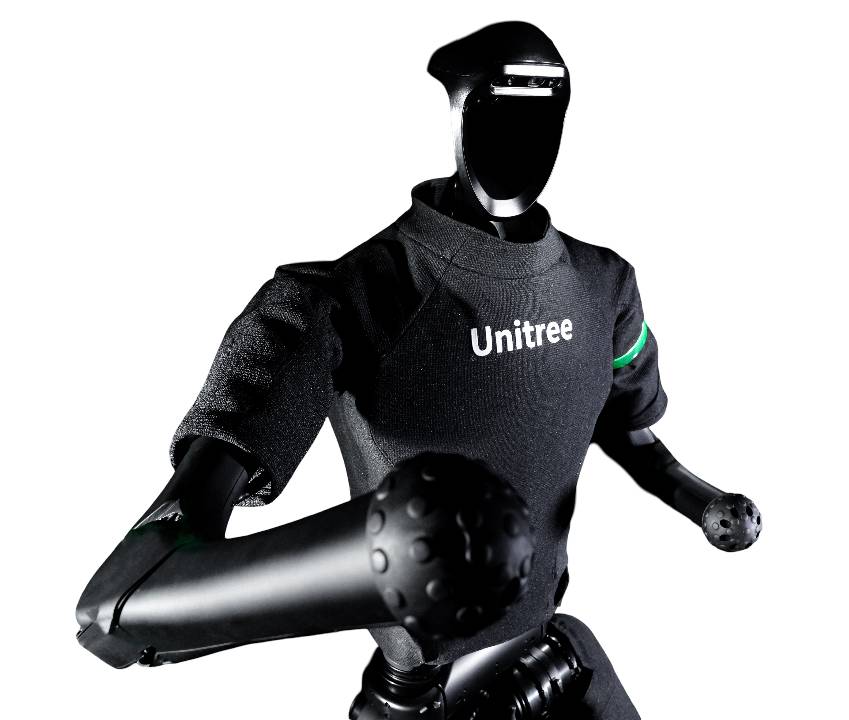
The humanoid structure was designed as a universal platform for research into artificial intelligence and robotics.
The Unitree H1 was designed to replicate the biomechanics of the human body while maintaining high strength and low weight. The robot measures approximately 180 cm tall and weighs approximately 47 kg , allowing it to navigate environments designed for humans without modification. The design utilizes industrial cross-roller bearings and lightweight PMSM synchronous motors with an internal rotor , ensuring high stiffness, rapid response, and efficient heat dissipation. Integrated cable routing within the body increases the reliability of the entire system and eliminates the risk of damage during operation.
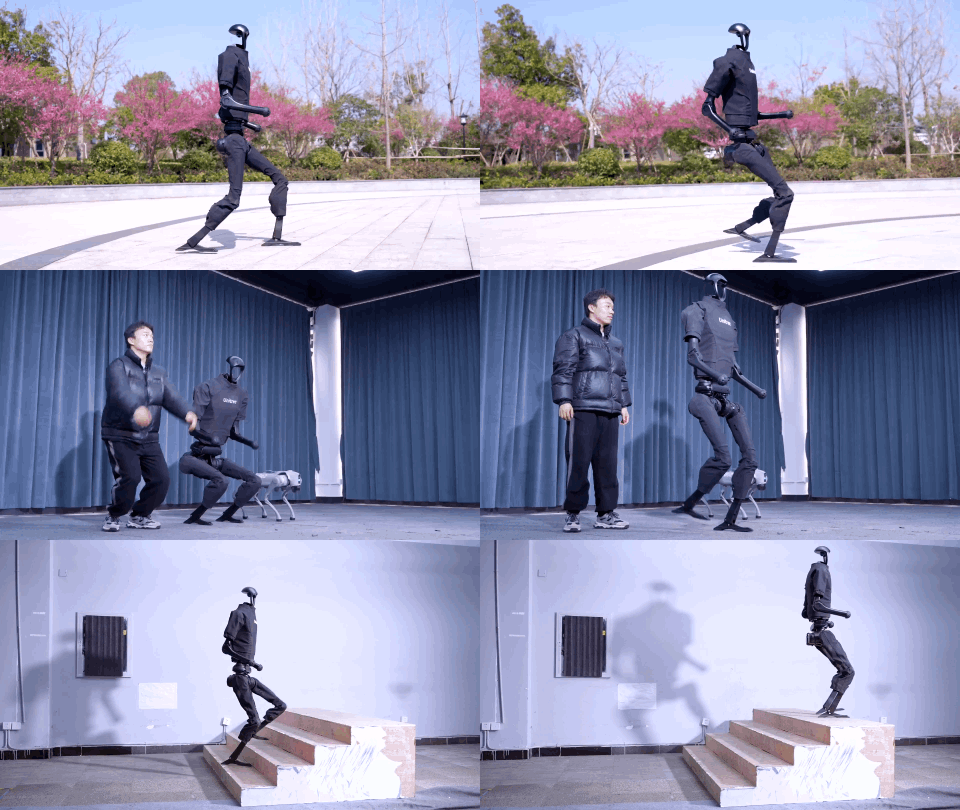
The Unitree H1 robot's design replicates the proportions of the human body, providing natural mobility and stability.
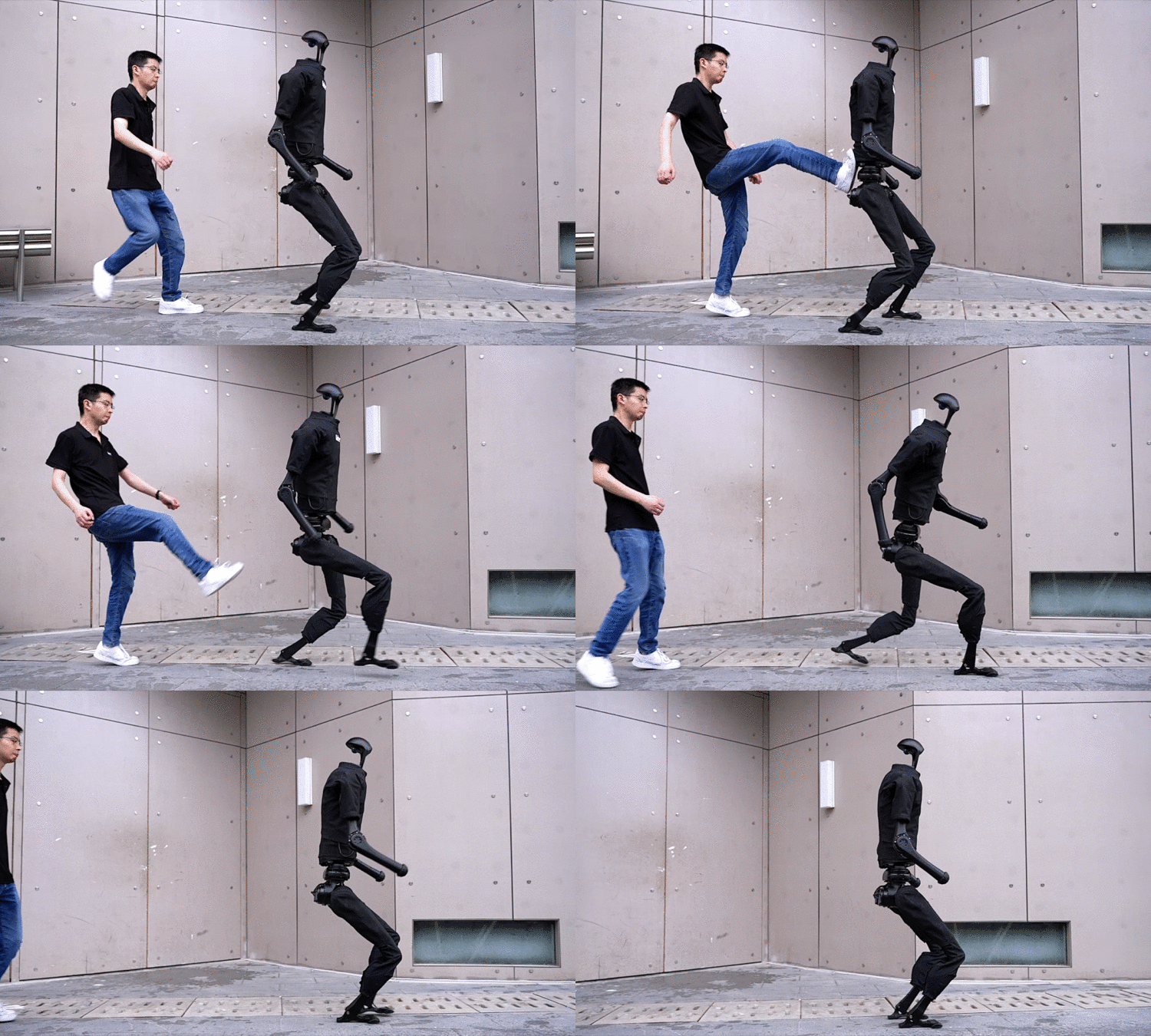
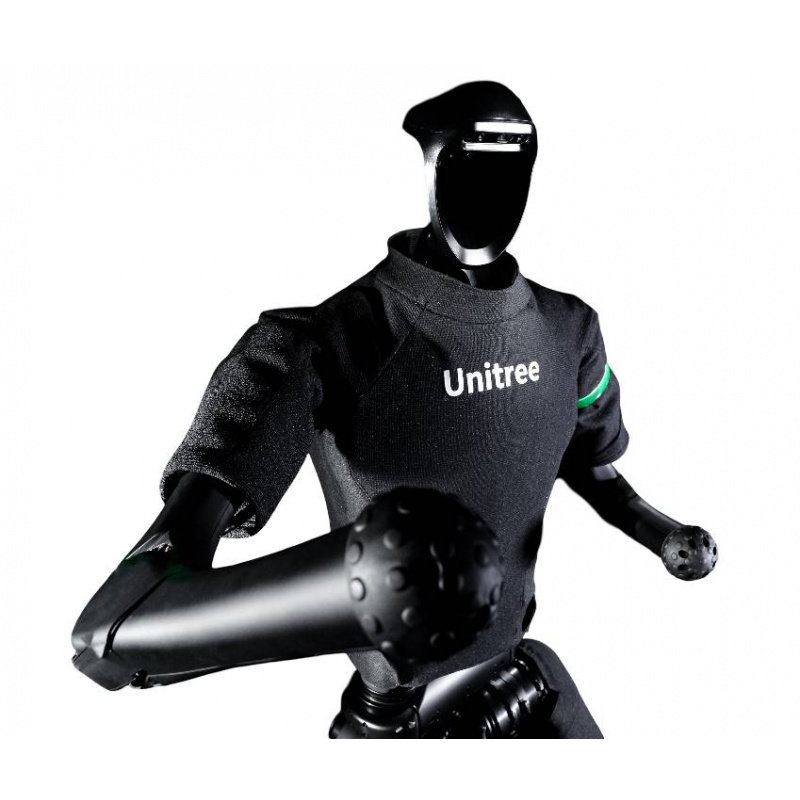
The robot uses efficient drives and precise control to perform dynamic and natural movements.
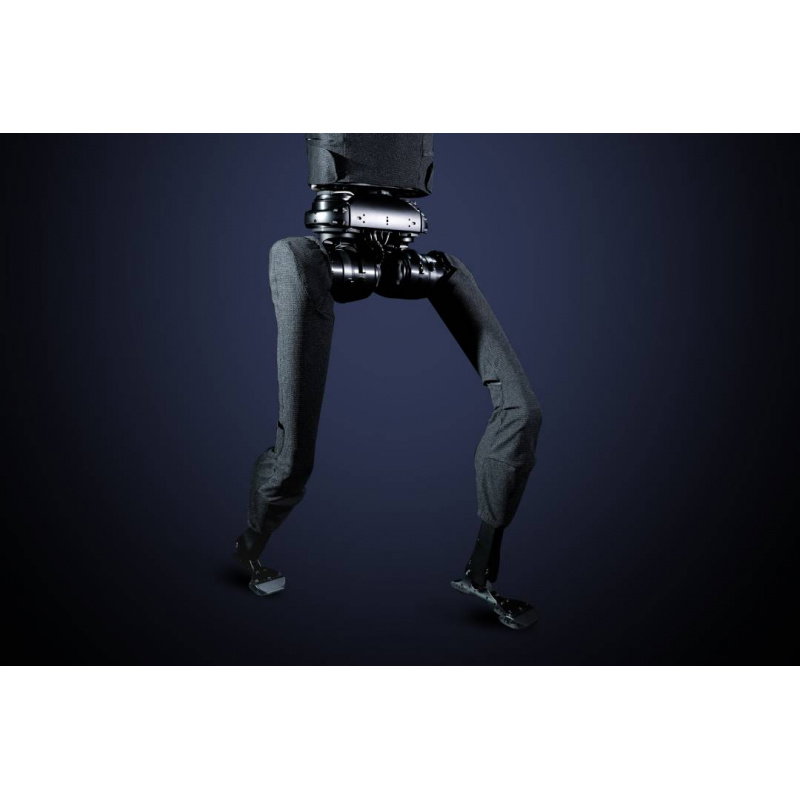
The Unitree H1 offers 19 degrees of freedom , enabling smooth and precise movements. Each leg has five degrees of freedom, encompassing the hip, knee, and ankle joints, while each arm has four degrees of freedom . This allows the robot to maintain stability during movement, perform dynamic turns, and effectively regain balance . High-performance drives enable speeds of up to 3.3 m/s , and the design is designed to further increase mobility with the development of control software.
An advanced sensor suite, working in conjunction with powerful on-board computers, is responsible for the robot's spatial orientation. Data obtained from the sensors can be used by artificial intelligence algorithms to recognize the environment, plan movement trajectories, and make autonomous decisions. The platform's open architecture enables integration with popular programming environments and frameworks used in robotics and machine learning. This makes the Unitree H1 an excellent foundation for research on next-generation robots and the development of advanced AI models.
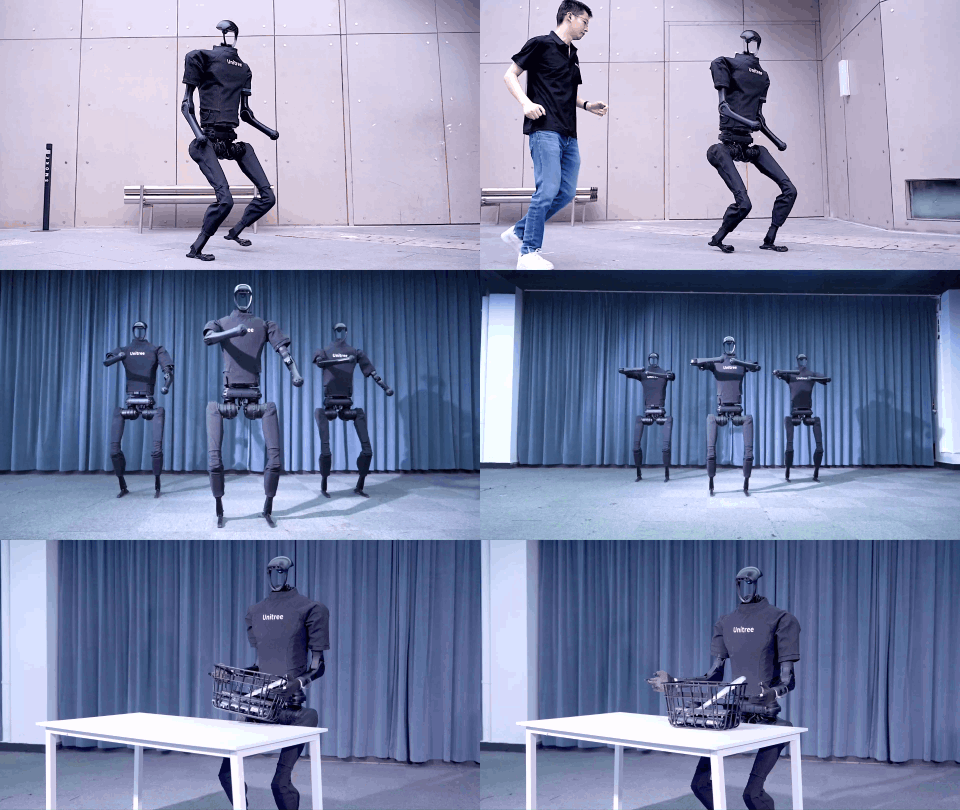
The advanced drive system enables smooth movement and stable overcoming of varied terrain.
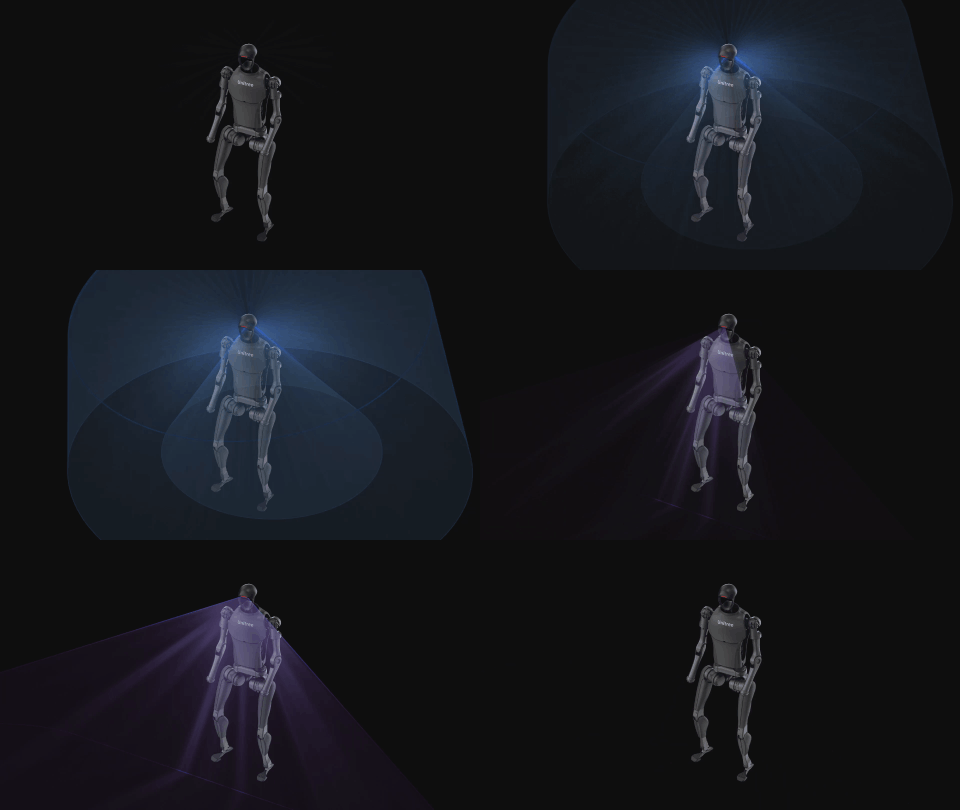
The robot head integrates a perception system using a depth camera and a 3D LiDAR sensor to analyze the environment.
The robot is equipped with a Livox MID-360 3D LiDAR sensor and an Intel RealSense D435i depth camera , which together create an advanced spatial perception system. The sensors generate accurate point clouds and depth data, allowing for the creation of real-time 3D maps of the surroundings . This solution enables obstacle detection, robot localization, and safe movement even in complex environments. The use of two complementary technologies significantly increases the reliability of the navigation system and improves the effectiveness of autonomous operation.
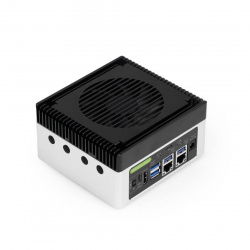
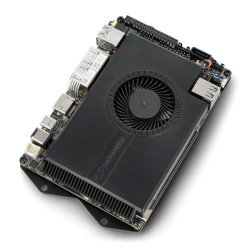
The Unitree H1 is equipped with two independent on-board computers responsible for motion control and user application development . The standard configuration includes an Intel Core i5 processor for platform control and an Intel Core i7 processor for custom software development. Extensive technical documentation and development tools allow you to quickly begin creating your own research and industrial applications.
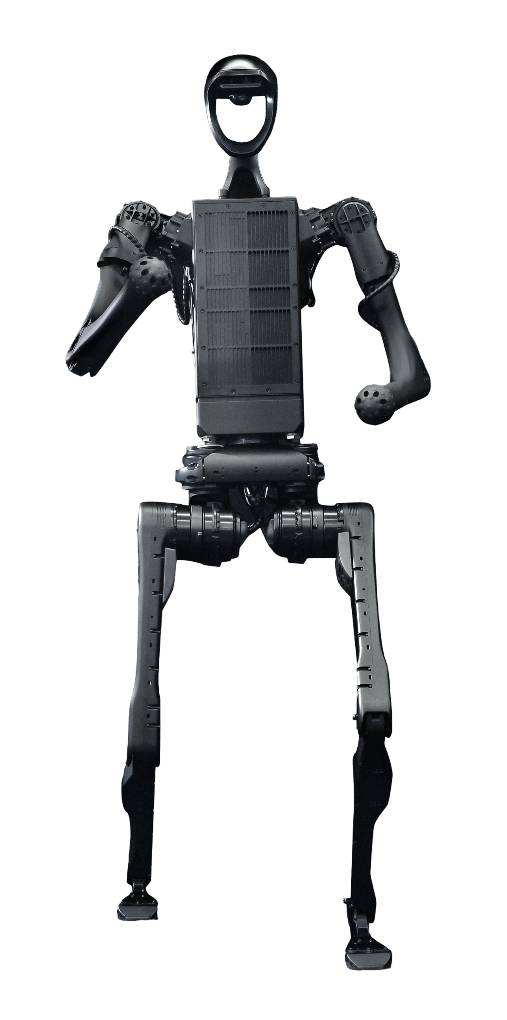
The height of approximately 180 cm and the anthropomorphic structure facilitate the robot's operation in environments intended for humans.
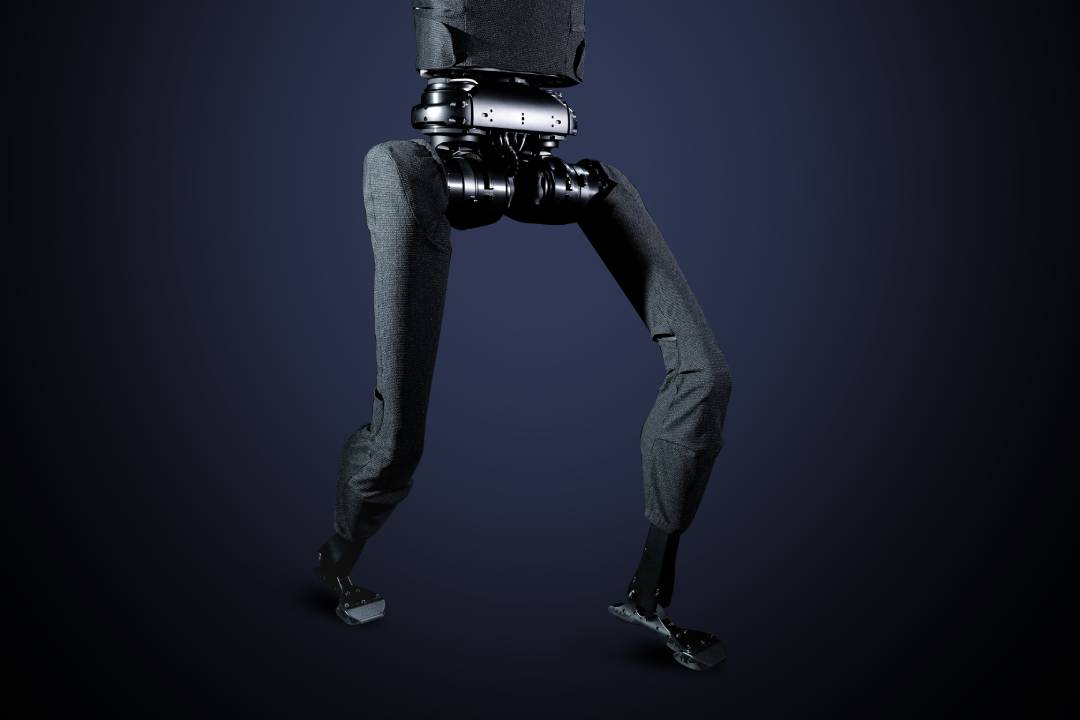
Unitree H1 is used in research laboratories, technical universities and artificial intelligence development centers.
The robot is powered by a replaceable 864 Wh lithium-ion battery (15 Ah, maximum 67.2 V), which enables long-term experiments and field tests. The battery's design allows for quick replacement , reducing downtime between work cycles. High-performance drives, optimized control, and efficient computing units provide ample power for complex tasks related to autonomous navigation, manipulation, and sensory data analysis. Thanks to continuous over-the-air software updates, the platform constantly gains new features and improvements that enhance its capabilities.
| Technical specifications of the Unitree H1 humanoid robot | |
|---|---|
| Number of degrees of freedom | 19 |
| Degrees of freedom of the legs | 5 on each leg - hip x 3, knee x 1, ankle x 1 |
| Degrees of freedom of the arms | 4 on each arm - expandable |
| Drives | Unitree M107 PMSM internal rotor motors |
| Maximum knee torque | about 360 Nm |
| Maximum hip torque | about 220 Nm |
| Maximum ankle joint torque | about 59 Nm |
| Maximum arm torque | about 75 Nm |
| Movement speed | up to 3.3 m/s |
| Potential speed | over 5 m/s |
| Perception system | 3D LiDAR + depth camera |
| LiDAR | Livox MID-360 |
| Depth camera | Intel RealSense D435i |
| Mapping the environment | 360° three-dimensional scanning |
| Motion Control Unit | Intel Core i5 |
| Development unit | Intel Core i7 |
| AI acceleration | Intel Gaussian & Neural Accelerator 3.0, Intel Deep Learning Boost |
| Software updates | OTA |
| Programming | an open platform for developing applications and algorithms |
| Interfaces | Ethernet and industrial service connectors |
| Battery | lithium-ion, quick-change |
| Battery capacity | 864 Wh (15 Ah) |
| Maximum battery voltage | 67.2 V |
| Mobile application support | Unitree Explore App |
| Height | about 180 cm |
| Dimensions | 1805 mm x 570 mm x 220 mm |
| Mass | about 47 kg |
| Niebezpieczne | Equipment |
Be the first to ask a question about this product!