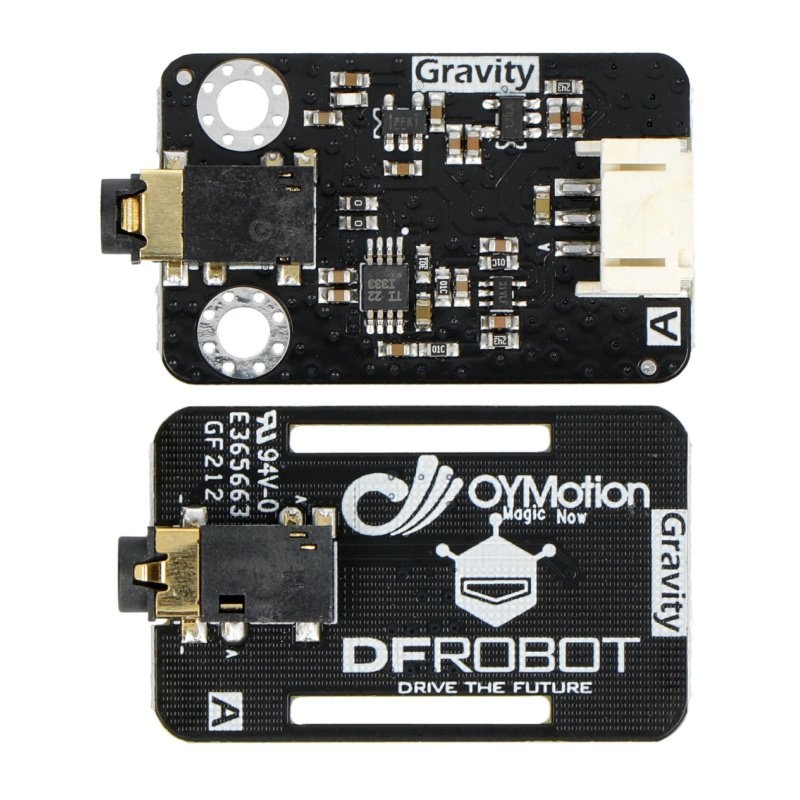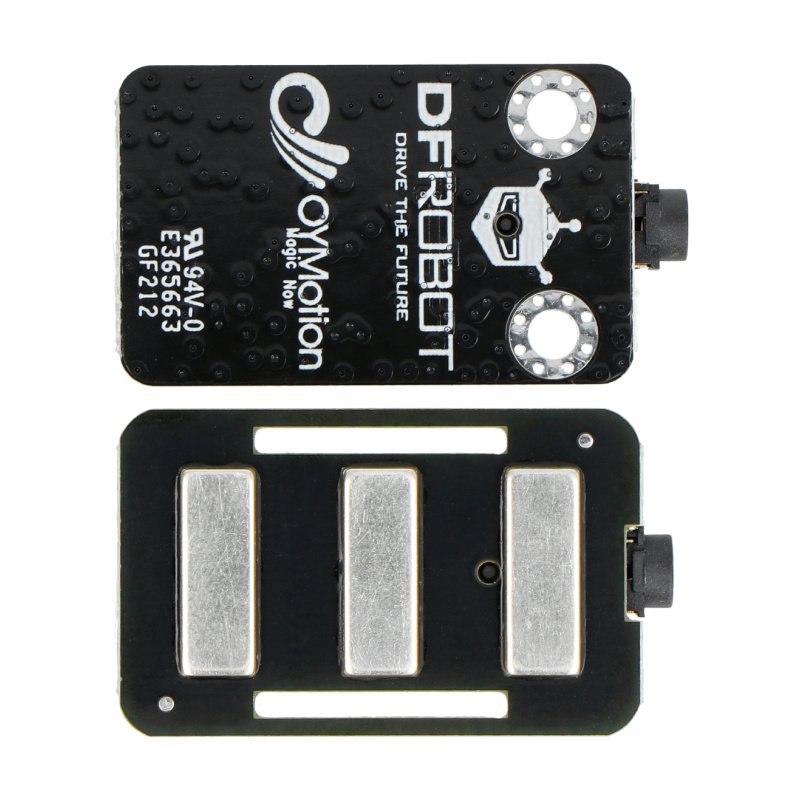




























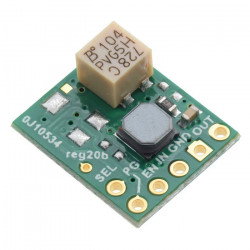
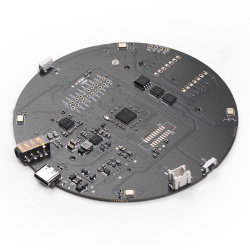
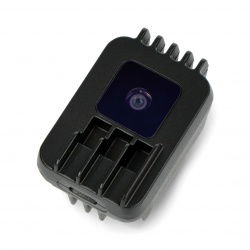
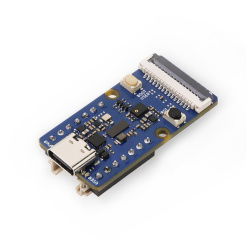





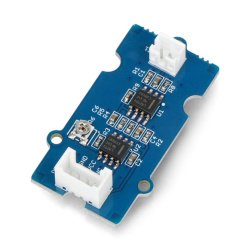

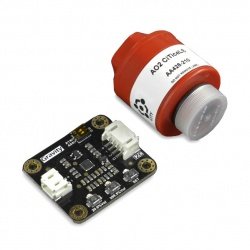



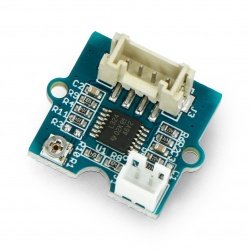
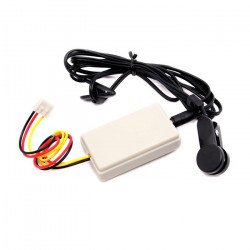
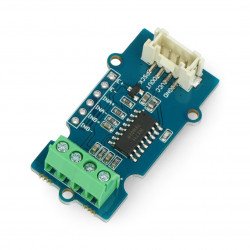
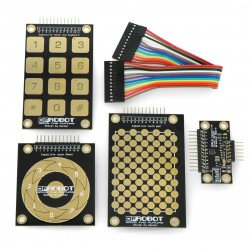



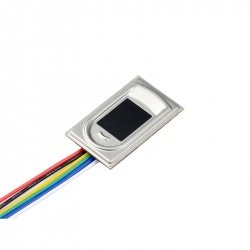






















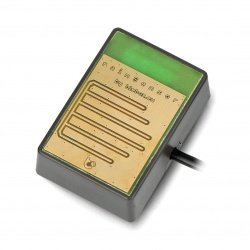







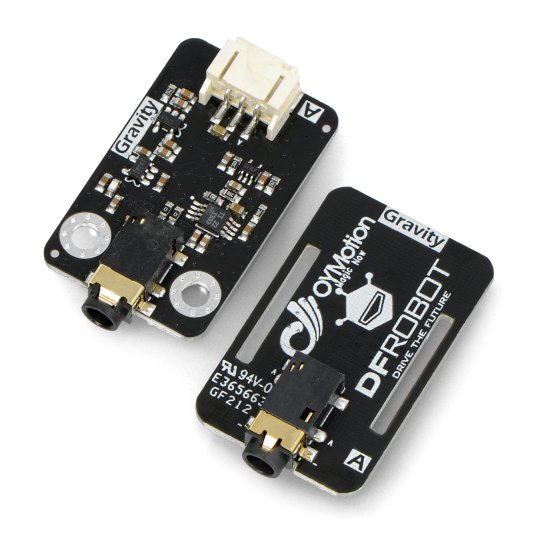
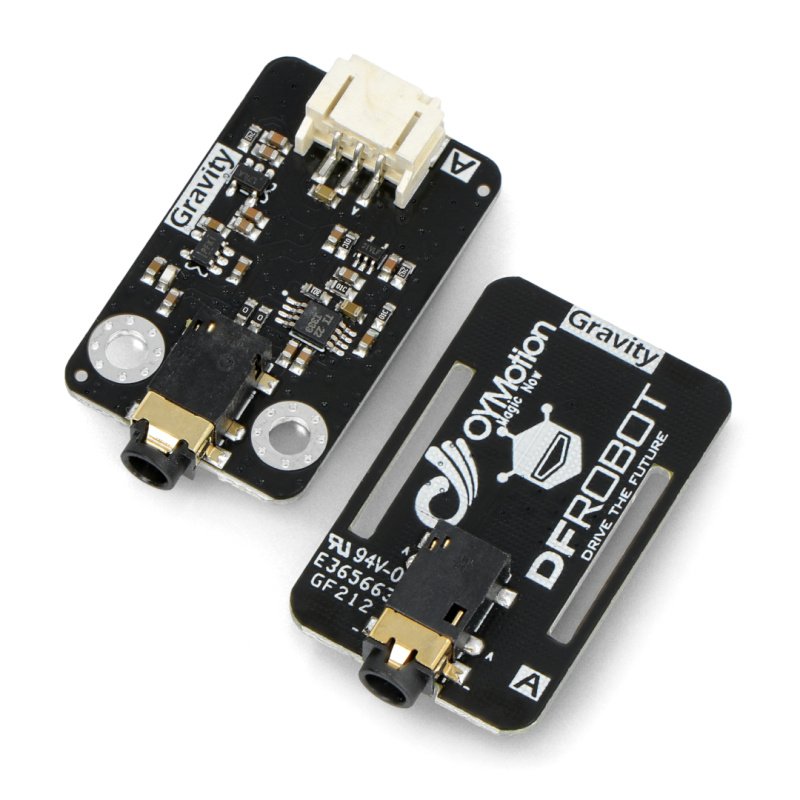


The EMG sensor was created in collaboration between DFRobot and OYMotion. The EMG sensor is an electromyograph, a sensor of the electrical activity of human muscles and peripheral nerves . This sensor is a combination of a filter and an amplification circuit. It amplifies the minimum sEMG value within a range of ±1.5V by 1000 times and reduces noise through a differential input and analog filtering circuit. It works with Arduino and operates on a 3.3V to 5.5V supply.
The EMG sensor was created in collaboration between DFRobot and OYMotion. The EMG electromyograph (EMG) is a sensor for the electrical activity of human muscles and peripheral nerves . This sensor combines a filter and amplification circuit. It amplifies the minimum sEMG value within ±1.5V by 1000 times and reduces noise through a differential input and analog filter circuit. The output signal is analog, taking a 1.5V reference voltage. The output voltage ranges from 0V to 3V. The signal strength depends on the level of muscle activity. The output signal waveform indicates muscle activity, analyzes, and examines sEMG. Compatible with Arduino , the supply voltage ranges from 3.3V to 5.5V.
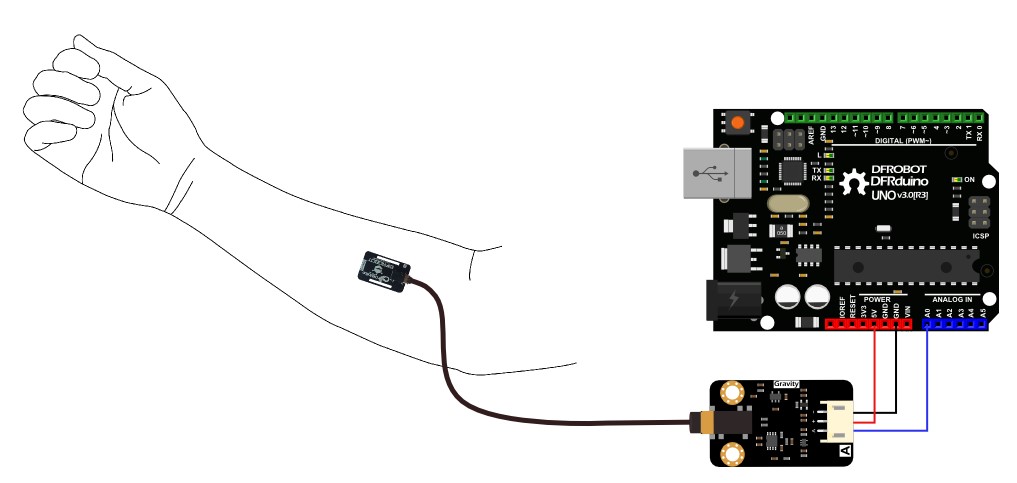
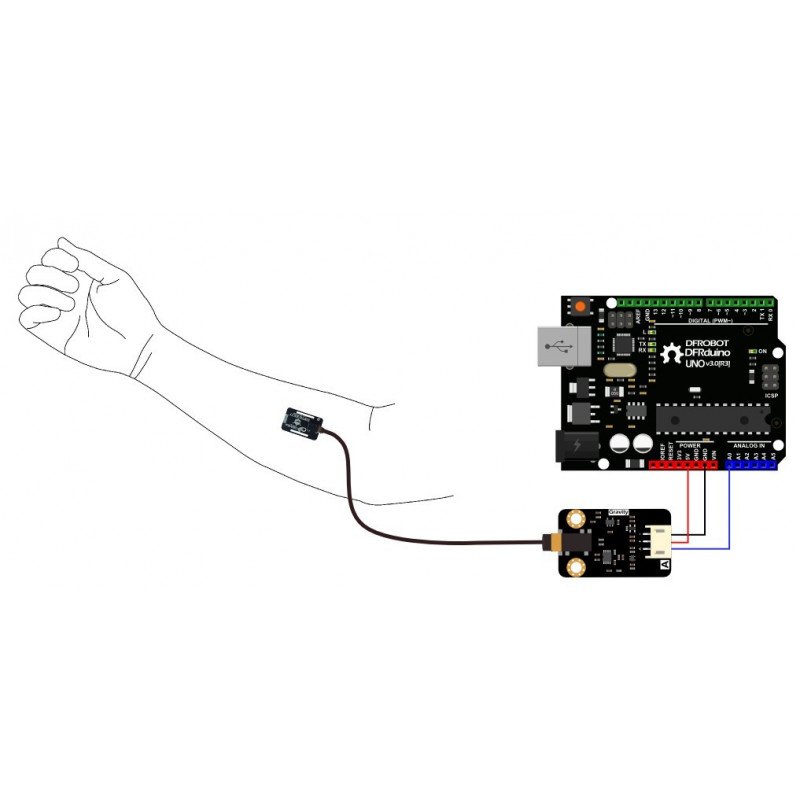
Schematic diagram of disconnecting the EMG sensor from Arduino
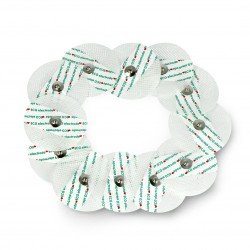
The sensor is easy to use; dry electrodes are mounted on the module, ensuring good signal quality without the need for conductive gel. Measurements with the EMG sensor are non-invasive, convenient, and suitable for human-computer interactions.
Attention!
|
Electromyography is one of the methods for diagnosing the condition of the human muscles. This method involves examining electrical impulses originating from the innervation of muscles. Based on the recorded impulses, we can assess the health of muscles by detecting potential signs of dysfunction between the muscular and nervous systems. Readings are obtained from an electromyogram—a time course recorded during a study of the bioelectrical activity of muscles.
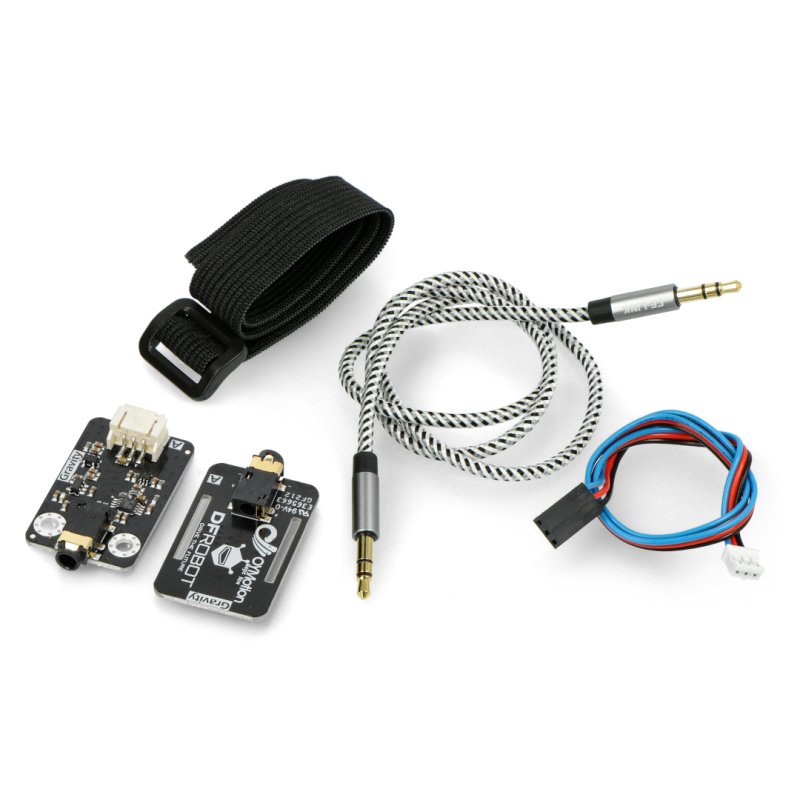
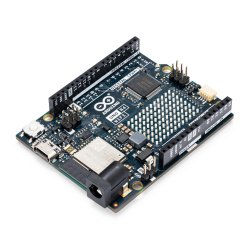
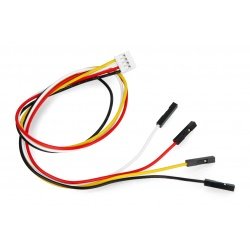
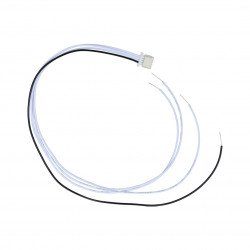
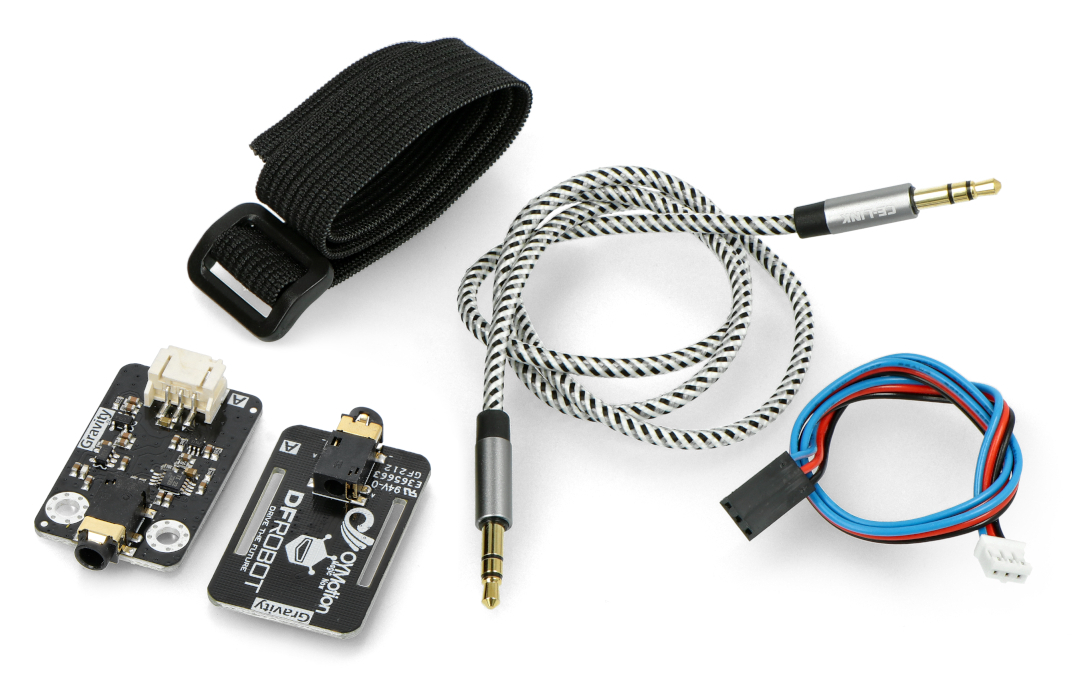
Professional electromedical diagnostic equipment is usually very expensive and requires appropriate certifications and licenses before use. Fortunately, for educational and hobby purposes, we don't need to purchase such equipment – simply purchase an EMG sensor from DFRobot! This sensor is fully compatible with Arduino modules. To connect the sensor to the Arduino, use a 3-pin JST 2.0 connector and a compatible three-wire plug, which is included in the kit. The red wire goes to the "5V" pin on the Arduino; the black wire goes to the "GND" pin on the Arduino; and the blue wire goes to any analog input on the Arduino ("A0" - "A5"). We've just built a simple electromyograph! The manufacturer provides a library with sample program code that supports the EMG sensor.
Useful links |
| Niebezpieczne | Component |
| Package width | 9 cm |
| Package height | 3 cm |
| Package depth | 10.5 cm |
| Package weight | 0.04 kg |
Be the first to ask a question about this product!

Product Information
The product is a component intended for further assembly/prototyping. It does not constitute a standalone finished product within the meaning of product safety regulations.
Dane GPSR
Country of Origin: China
Manufacturer Contact Details: Zhiwei Robotics Corp. Unit 01, 26/F, A1 Shanghai T & I Tower, No. 1699 Zhongke Road, Pudong District, Shanghai, P.R.China [email protected]
EU Marketer Contact Details: BOTLAND B. DERKACZ SP. K. Gola 25A - 63-640 Bralin [email protected]