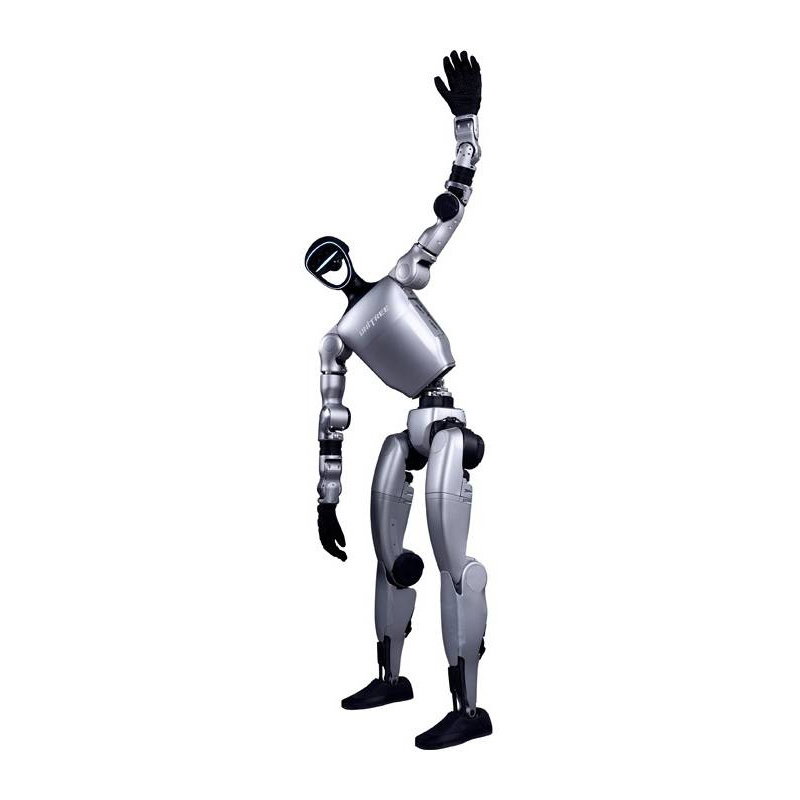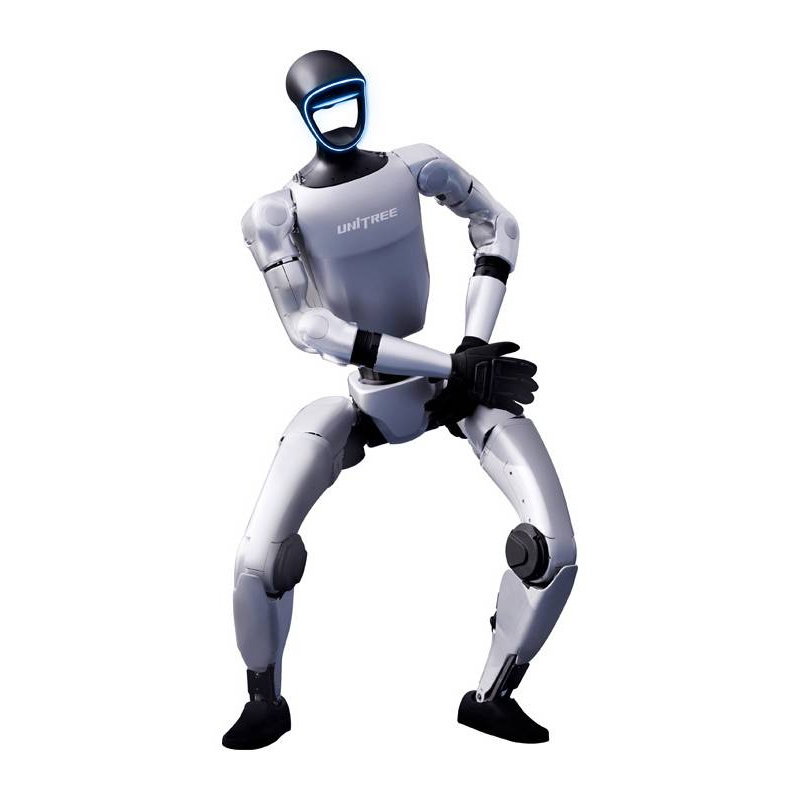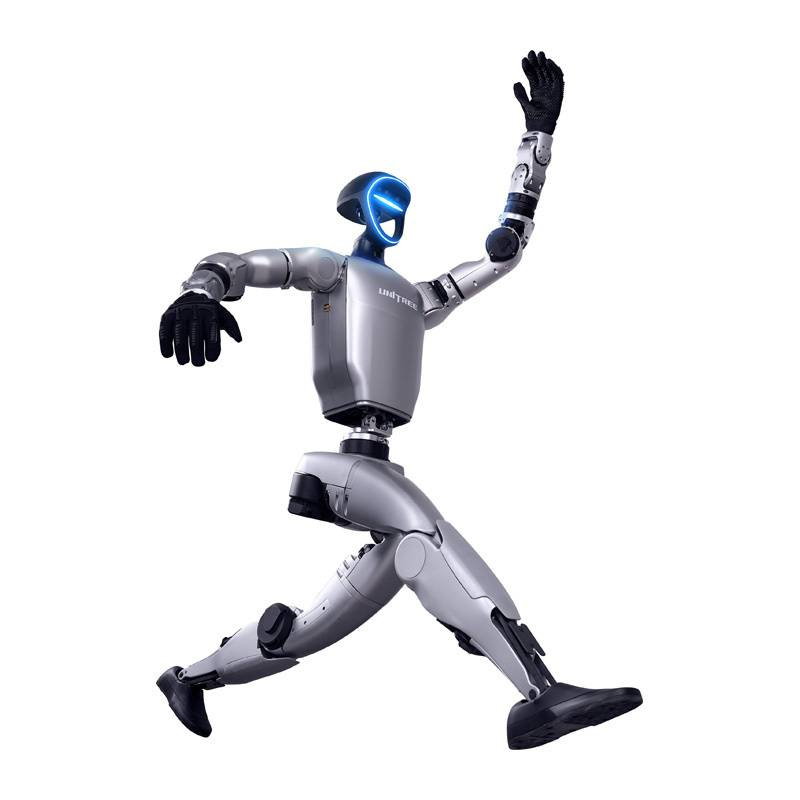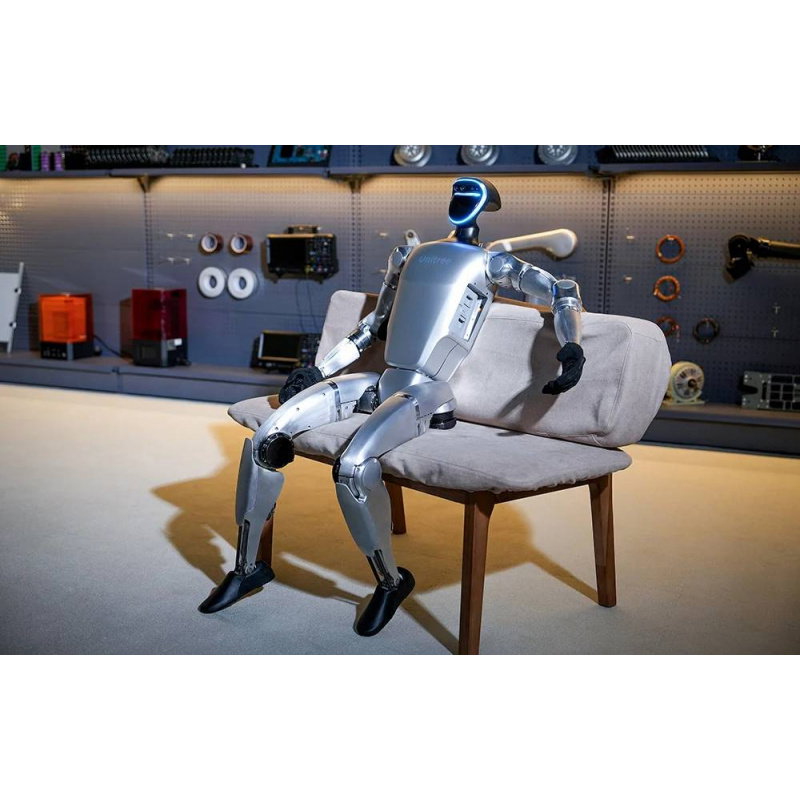













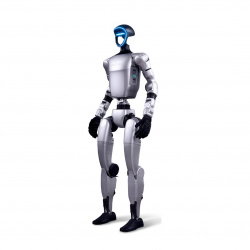





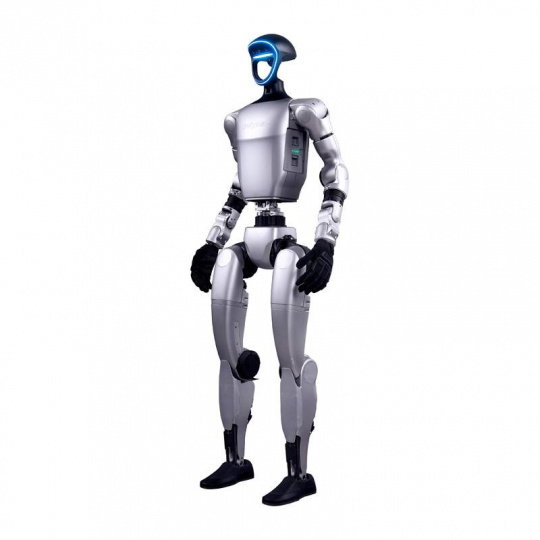
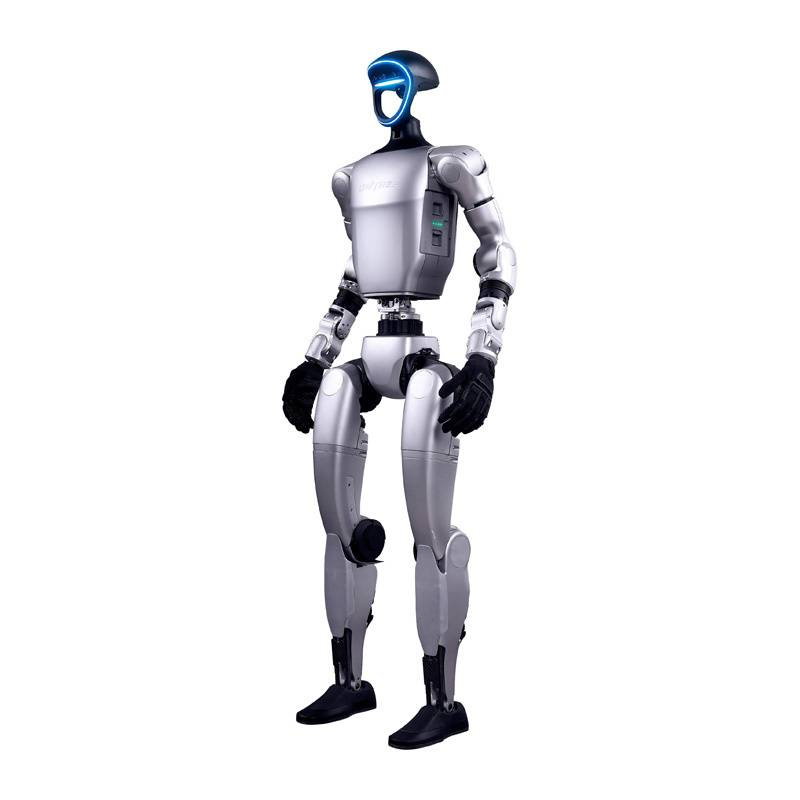


The Unitree G1 Edu U1 is a professional AI humanoid robot equipped with 23 degrees of freedom, a powerful 100 TOPS computational module, and a depth camera + 3D LiDAR perception system . It offers knee torque of up to 120 N*m , an arm payload of up to 3 kg , and support for both low-level and high-level programming. It is an open platform for research into artificial intelligence, locomotion, and human-robot interaction.
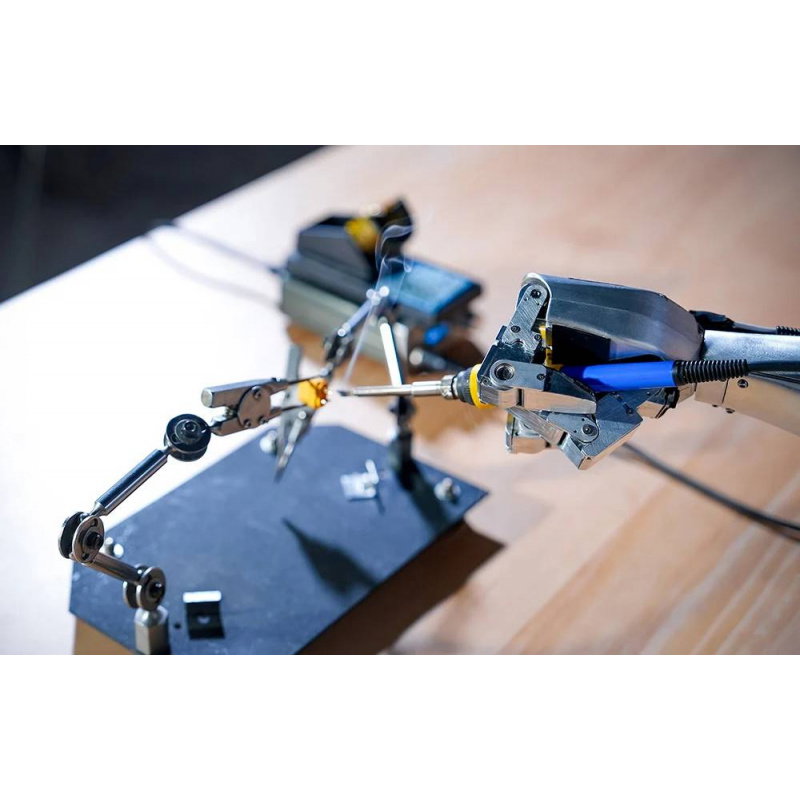
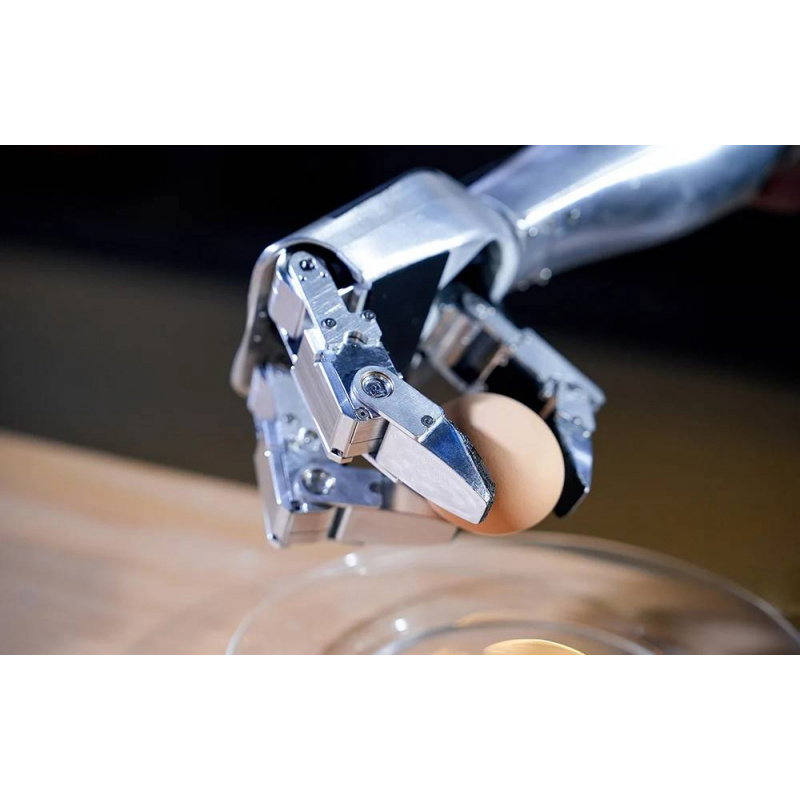
Note! The hands, equipment components, and some of the robot's functions and capabilities shown in photos and videos may refer to optional equipment or other versions of the G1 model.
The Unitree G1 Edu U1 is an advanced humanoid educational and research robot , part of the professional G1 Edu series created for scientists, developers, and R&D teams. The platform builds on the proven design of the G1 model, while offering full openness to the development and implementation of custom artificial intelligence algorithms . The robot has 23 degrees of freedom , including 6 DoF for each leg, 5 DoF for each arm, and 1 DoF at the waist, ensuring stable and realistic locomotion. The use of PMSM motors, industrial bearings, and dual encoders guarantees high precision, dynamic operation, and repeatable movements. The maximum knee joint torque is 120 Nm , and the maximum arm load is approximately 3 kg . A perception system based on a depth camera and 3D LiDAR enables accurate environmental analysis and supports autonomous navigation. The built-in 100 TOPS computing module enables real-time processing of advanced AI algorithms, while support for both low- and high-level programming provides complete control over the robot's behavior. Additionally, the robot offers WiFi 6 and Bluetooth 5.2 connectivity, voice communication, and a 9000 mAh battery. This solution is designed not only for learning, but above all for actively developing and testing modern robotic systems.
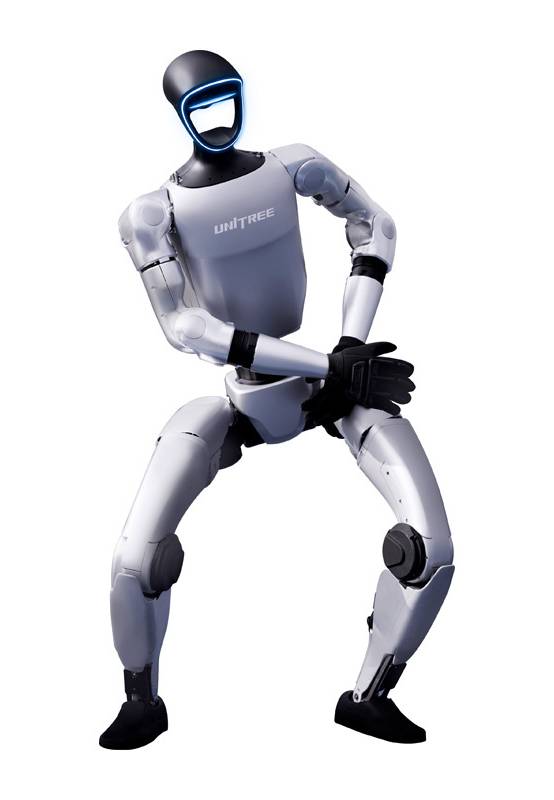
Humanoid robot - Unitree G1 Edu U1.
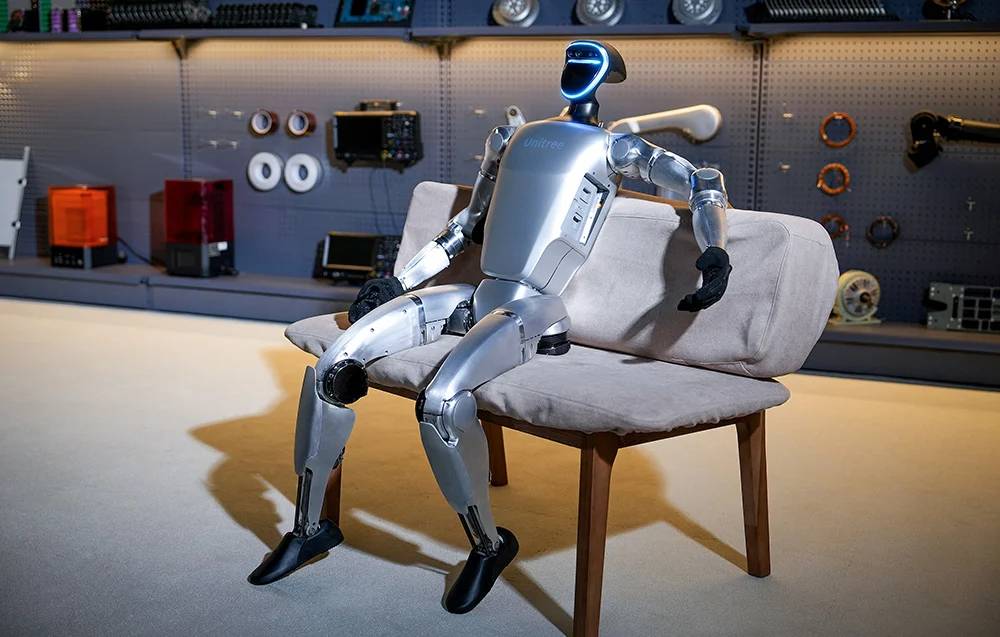
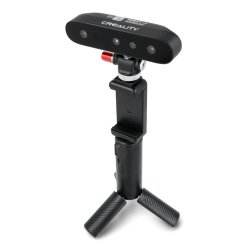
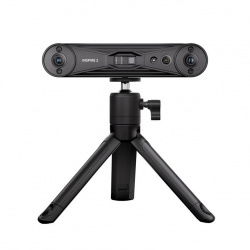
The G1 Edu U1 is equipped with a Livox MID-360 3D LiDAR system and an Intel RealSense depth camera.
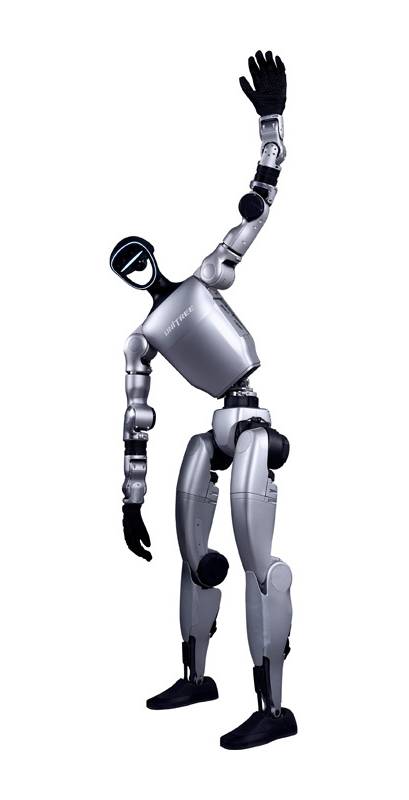
The design of the humanoid robot is inspired by human anatomy, which translates into a natural way of moving and high stability . Thanks to the use of industrial-grade cross-bearings and dual encoders, the robot precisely controls the position of each of its 23 joints . Each leg has 6 degrees of freedom , enabling stable walking and running, while advanced active stabilization algorithms prevent the robot from falling while interacting with its environment. The joints' range of motion, including knees of up to 165° , allows for complex movement sequences and research on locomotion and balance control. This allows the robot to be used both in laboratory environments and for technology demonstrations.
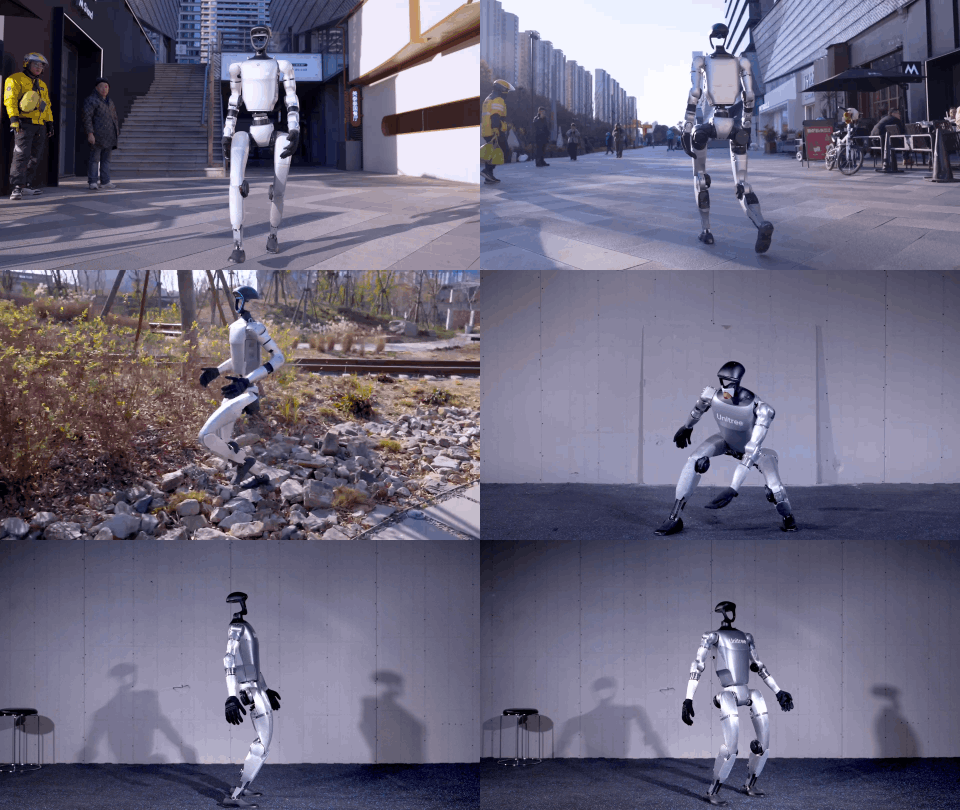
The model has 23 degrees of freedom.
The robot's design is inspired by human anatomy, which translates into a natural way of moving and high stability.
The Unitree G1 Edu U1 is equipped with an advanced sensor suite, including a wide-field-of-view 3D LiDAR and an Intel RealSense camera . This system allows the robot not only to avoid obstacles but also to recognize faces, gestures, and objects. Integration with a four- microphone array and a 5W speaker allows the G1 Edu U1 to be programmed as an interactive voice interface, ideal for research into human-machine communication.
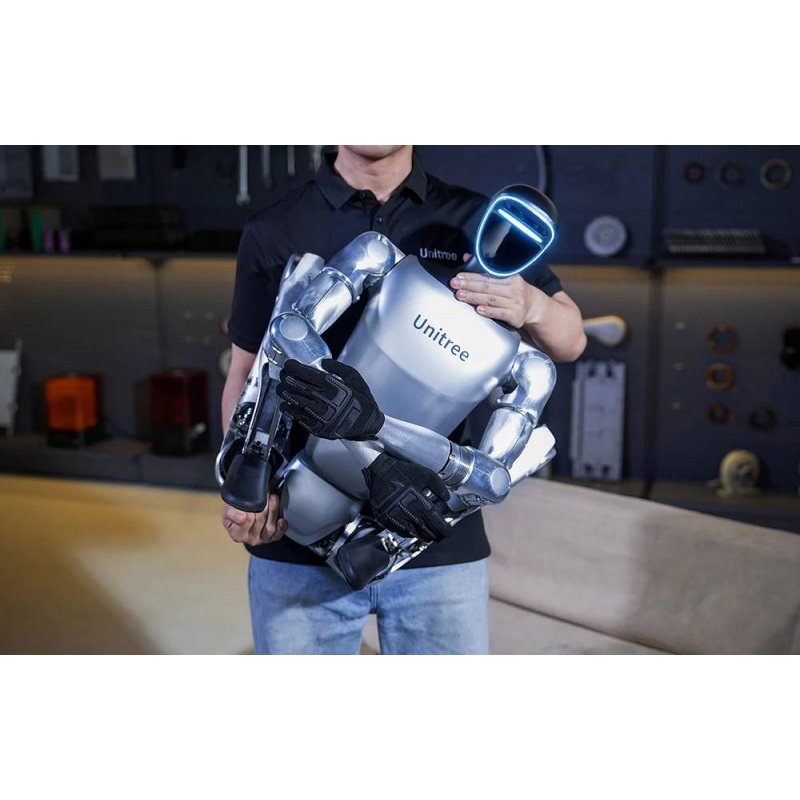
The Unitree G1 Edu U1 is characterized by high dynamics thanks to the use of efficient drives and a robust construction. The maximum torque of the knee joint is 120 Nm , ensuring stability during movement and position changes. The robot is characterized by high dynamics, capable of reaching speeds of up to 2 m/s . The maximum arm load is approximately 3 kg , enabling the implementation of manipulation tasks and experiments with physical interaction. Despite its advanced capabilities, the G1 Edu U1 remains lightweight and mobile. Its weight of approximately 35 kg and height of 132 cm allow for safe use in confined spaces. The robot's compact dimensions (690 x 450 x 300 mm) make it extremely practical for transport between research stations.

G1 Edu U1 uses an advanced vision system combining 360° laser scanning (LiDAR) with stereoscopic imaging.
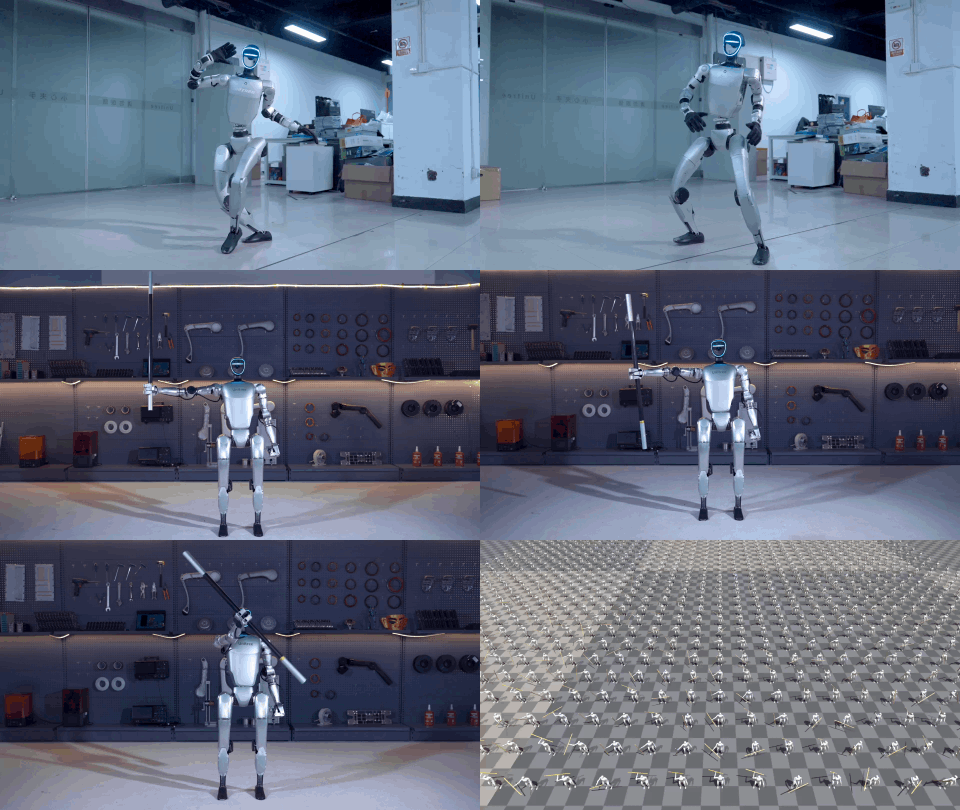
Open architecture supports Secondary Development, allowing full control over the system.
The Unitree G1 Edu series is designed as a comprehensive research platform, enabling the development and testing of advanced robotic systems in real-world conditions. Its open architecture allows for the full integration of proprietary algorithms, both at the low-level control level and in high-level decision-making systems. Thanks to a built-in expansion port and 100 TOPS of computing power , You can implement advanced AI models, perception systems, and motion planning algorithms. The manufacturer also provides extensive documentation, significantly accelerating the project development process. The robot offers communication interfaces such as WiFi 6 and Bluetooth 5.2 , enabling integration with control systems and research applications. Power is provided by a 9000 mAh lithium battery , which allows for approximately 2 hours of operation and can be quickly replaced.
| UnitreeG1 Edu U1 Technical Specifications | |
|---|---|
| Total degrees of freedom | 23 |
| Degrees of freedom of the leg | 6 |
| Degrees of freedom of the waist | 1 |
| Degrees of freedom of the arm | 5 |
| Degrees of freedom of the hand | 7 (optional force control for three-fingered hand + 2 additional degrees of freedom for the wrist) |
| Dex3-1 Hand Parameters | thumb: 3 active degrees of freedom, index finger: 2 active degrees of freedom, middle finger: 2 active degrees of freedom |
| Optional installation of touch sensors | Yes |
| Joint bearings | industrial cross roller bearings with high precision and high load capacity |
| Joint motors | PMSM permanent magnet synchronous motors with a low-inertia internal rotor |
| Maximum knee joint torque | 120 N*m |
| Maximum load on the arm | about 3 kg |
| Calf and thigh length | 0.6 m |
| Arm span | about 0.45 m |
| Waist range of motion | Z ±155° |
| Knee range of motion | from 0° to 165° |
| Hip range of motion | P ±154°, R from -30 to 170°, Y ±158° |
| Full internal cable management | Yes |
| Joint encoder | double encoder |
| Cooling system | local air cooling |
| Battery type | 13-cell lithium-ion battery |
| Basic computing power | High-performance 8-core processor |
| Sensors and communications | depth camera + 3D LiDAR |
| 4-microphone array | Yes |
| Loudspeaker | 5 in |
| Wireless connectivity | WiFi 6, Bluetooth 5.2 |
| High-performance computing module | 100 TOPS |
| Quick-connect battery | Yes |
| Battery capacity | 9000 mAh |
| Charger | 54V / 5A |
| Manual controller | Yes |
| Working time | about 2 hours |
| OTA updates | Yes |
| Possibility of further development | Yes |
| Dimensions in standing position | 1320 x 450 x 200 mm |
| Dimensions when folded | 690 x 450 x 300 mm |
| Weight with battery | over 35 kg |
| Comparison of G1 Edu Versions | ||||
|---|---|---|---|---|
| Model | DOF | Hands | Tactile Sensors | |
| G1 Edu U1 | 23 | none | no | |
| G1 Edu U2 | 29 | none | no | |
| G1 Edu U3 | 43 | 2 x Dex3-1 | no | |
| G1 Edu U4 | 43 | 2 x Dex3-1 | yes | |
| G1 Edu U5 | 41 | 2 x RH56DFQ | no | |
| G1 Edu U6 | 41 | 2 x RH56DFTP | yes - 17 sensors / hand | |
| G1 Edu U7 | 41 | 2 x Revo 2 Basic | no | |
| G1 Edu U8 | 37 | 2 x Dex3-1 | no | |
| G1 Edu U9 | 37 | 2 x Dex3-1 | yes - 33 sensors / hand | |
| G1 Edu U10 | 35 | 2 x Revo 2 Basic | no | |
Useful links |
| Niebezpieczne | Equipment |
| Robot type | Walking |
| Robot power supply | Rechargeable battery |
| Control platform | Other |
| Robot form | Ready to use |
Be the first to ask a question about this product!