



New arrivals
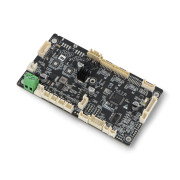
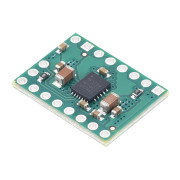
On Sale
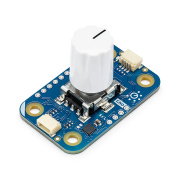
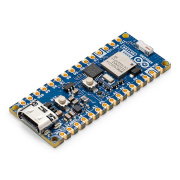
Development boards
Products






See also
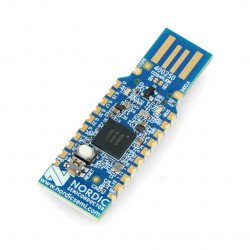
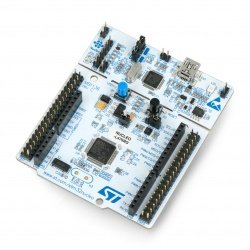
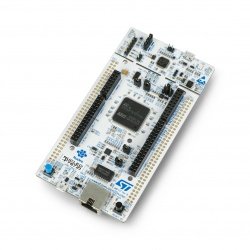
Development boards – modules for electronics prototyping
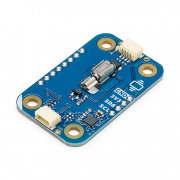
Development boards are ready-made hardware platforms designed for rapid design, testing, and commissioning of electronic systems. They facilitate working with microcontrollers, communication modules, sensors, and other design elements without having to build the entire system from scratch. They are a practical solution for electronics engineers, programmers, students, hobbyists, and those creating IoT, automation, and robotics projects.
What are developer boards?
Development boards are ready-made electronic modules that allow you to quickly start working with a microcontroller, processor, or communication system. Users receive a ready-made platform for testing and prototyping, without having to design power supplies, pinouts, or a programming interface from scratch.
Such a board can be connected to a computer, programmed, and used to operate sensors, displays, radio modules, motors, or other project elements. This makes development boards useful both for learning electronics and for more advanced projects.
What can you find in this category?
This category encompasses a wide selection of boards designed for electronics prototyping. These include modules based on popular microcontroller families, STM32 development kits, IoT platforms, and boards with Bluetooth, WiFi, ZigBee, Thread, Matter, NFC, and LTE-M connectivity.
Depending on the model, boards may be equipped with GPIO connectors, a USB interface, buttons, LEDs, a programmer, a debugger, expansion connectors, antennas, or built-in sensors. This allows you to choose a module for both simple experiments and projects requiring wireless communication, low power consumption, or increased computing power.
The most important parameters
When choosing the right model, it's worth considering the main chip used, core type, clock speed, amount of Flash and RAM, and available communication interfaces. Popular boards include ARM Cortex-M0, Cortex-M3, Cortex-M4, or Cortex-M7 microcontrollers, which vary in performance, power consumption, and computing capabilities.
Supported connectivity standards, pin count, operating voltage, and compatibility with the chosen development environment are also important factors. Some boards support Arduino IDE, STM32CubeIDE, PlatformIO, Zephyr, mbed, or other tools used in embedded projects.
Application of developer tiles
Development boards are used in IoT projects, automation, robotics, measurement systems, wearable devices, controllers, and electronic device prototypes. They can be used to test wireless communications, operate sensors, control motors, collect data, or build networked devices.
In practice, a single board can act as the control center for the entire project. It can receive data from sensors, analyze it, control actuators, and transmit the information to an application, the cloud, or another device.
Who is this category for?
This category is aimed at electronics engineers, embedded programmers, students, apprentices, automation engineers, robot builders, and hobbyists. Development boards are ideal for those who want to quickly test an idea, learn microcontroller programming, or create a working prototype.
It is also a good solution for companies and design studios that need a stable testing platform before implementing the final product.
Why choose developer tiles?
Development boards allow you to move from idea to working project faster. They offer ready-made power supplies, pinouts, communication interfaces, and support for popular development environments.
Whether your goal is to learn programming, test a communication module, build an IoT device, or prototype an automation system, development boards provide a convenient and universal base for working with modern electronics.