



New arrivals
On Sale
TFT displays
Products





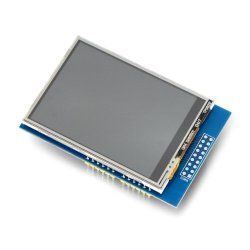
TFT displays - colorful and readable images in electronic projects
TFT displays are among the most commonly used screens in electronics projects, embedded devices, and microcontroller-based systems. TFT (Thin Film Transistor) technology allows for colorful, clear images while maintaining a small size and relatively low power consumption. This makes TFT displays suitable for both simple DIY projects and more complex devices requiring a graphical interface.
Wide selection of modules and compatibility with popular platforms
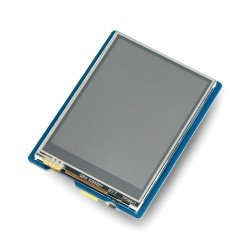
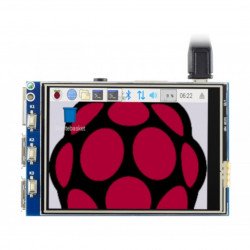
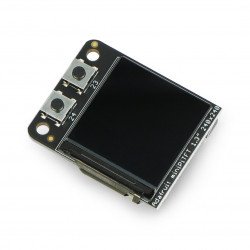
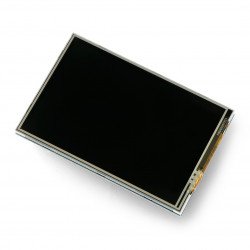
This category includes a wide selection of modules compatible with platforms such as Arduino, Raspberry Pi, ESP32, and STM32. Depending on the model, compact SPI displays, larger LCD modules, and displays equipped with a touch panel are available. This allows you to choose the right TFT LCD screen for both small portable devices and more advanced electronics projects.
This category includes TFT SPI modules, displays with touch controllers, models equipped with a microSD card slot, and screens of various sizes and resolutions. Popular drivers such as the ILI9341, ST7735, and ST7789 ensure good compatibility with libraries and popular development environments.
The use of TFT displays in practice
TFT displays are often used to create control panels, user interfaces, and present measurement data. Their ability to display color graphics, icons, and charts significantly enhances project functionality. Modules of this type are used in smart home systems, weather stations, 3D printer controllers, and multimedia devices, among other applications.
Arduino TFT Display - The Perfect Choice for DIY Enthusiasts
Arduino-compatible solutions are particularly popular. The Arduino TFT display allows you to easily expand your project with a clear graphical interface without the need for additional hardware. Thanks to ready-made libraries, users can quickly display text, graphics, or menu items, making TFT modules a popular choice for both beginners and more advanced electronics users.
Differences between matrix types: TN vs IPS
It's also worth noting the differences between the various TFT matrix types. The most common are classic TN (Twisted Nematic) panels and IPS (In-Plane Switching), which is an evolution of TFT technology. TN matrices have a faster response time and are less expensive, but they offer narrower viewing angles and less natural color reproduction. IPS displays, on the other hand, provide better image quality, wider viewing angles, and more stable colors, which is important for more demanding graphics applications and user interfaces.
The most important technical parameters and communication interfaces
When choosing the right model, it's worth considering the most important technical parameters. Screen size, resolution, number of displayed colors, and communication interface type are all important. Popular resolutions include 128x160px, 240x320px, and 320x480px. More advanced models also offer higher resolutions, providing greater image detail.
The method of communication with a microcontroller or single-board computer is also important. The TFT SPI module uses an SPI bus, which reduces the number of required wires and simplifies integration into the project. This solution is particularly popular with Arduino and ESP32. Some models also use a parallel or HDMI interface, offering improved performance when displaying graphics.
TFT displays with touch panel
Many available models are additionally equipped with a touch panel. The TFT touchscreen display allows for convenient operation without the need for physical buttons, allowing for the creation of more modern and functional user interfaces. Such solutions are often used in control panels, automation systems, and multimedia devices.
Summary - a universal solution for every project
A TFT LCD screen is a versatile solution for those seeking a colorful and easy-to-read display for their electronics projects. Whether you need a simple Arduino TFT display, a compact SPI TFT module, or a larger TFT touchscreen display, this category offers a wide selection of devices that allow you to customize the screen to your specific application.