
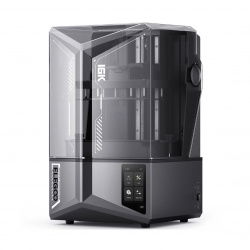
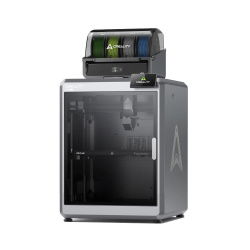
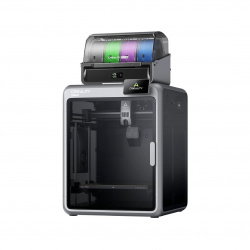
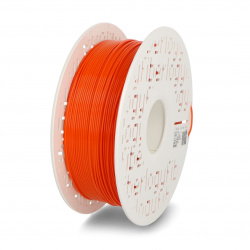
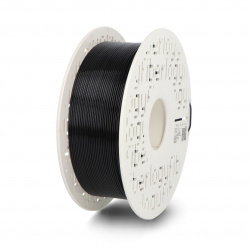



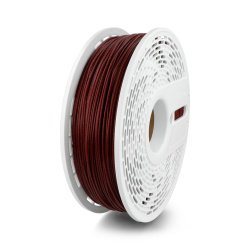

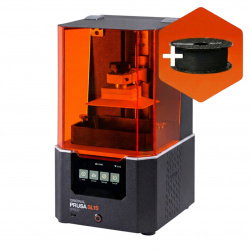
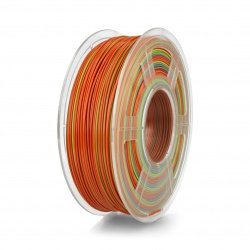
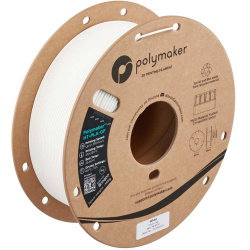
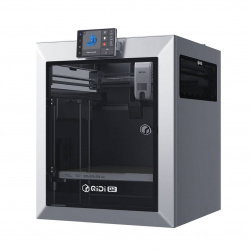
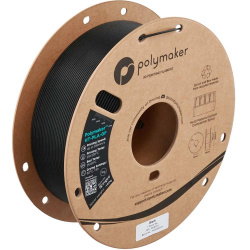

Filament set - Rosa3D Refill PLA-CF Matt Home Decor 1,75mm 4x 1kg
- New
- Reduced price
- Pack
- Sale
|
CATEGORY DISCONTINUED. CHECK THE EDUCATIONAL TOYS WHICH ARE AVAILABLE IN THE OFFER. |
Hexbug - In this category you will find toy robots from the renowned manufacturer Hexbug. These devices can be used not only for fun but also for education. The robots teach the basic principles of mechanics - most of the toys are imitations of animals (e.g. dinosaurs, dogs, spiders, nano-insects) moving in different ways. Children will also learn basic electronics handling, basic robot control skills, and the possibilities offered by different movement modes and simple control systems.
See also
We offer you practical educational toys for children. They are made by an excellent company Hexbug whose products are sold all over the world. The brand mainly produces educational play robots. The products are adjusted to the various ages of future users by the level of advancement and the way they are made (e.g. a robot for children under 3 cannot contain small elements which can be swallowed).
There are various mechanical toys available - you can choose for example Hexbug Spider and Hexbug Scarab, which are in fact hexabots (a hexabot is a robot moving on six legs). Thanks to them your child will also learn how to use various types of sensors, the principles of their operation and creative ideas for ways to move - in our offer you will find e.g. Hexbug Nano. It is a small robot, which thanks to vibrations and springy legs moves and precisely changes directions. Roboraptor, on the other hand, has a number of interesting functions - among others, it can avoid obstacles using an infrared sensor.
It is worth giving your child the opportunity to use such toys. You may find that your son or daughter is a young electronics or roboticist. Most Hexbug devices are based on relatively simple solutions. The brand is often inspired by the Beam Robotics trend in many of its designs. Beam Robotics involves building devices that primarily use simple analog systems and minimize the use of microprocessors. This approach is much less flexible than microprocessor-based robotics, but offers greater simplicity of execution and may prove more efficient for a given task. Toys made in this way may also be less susceptible to potential damage.