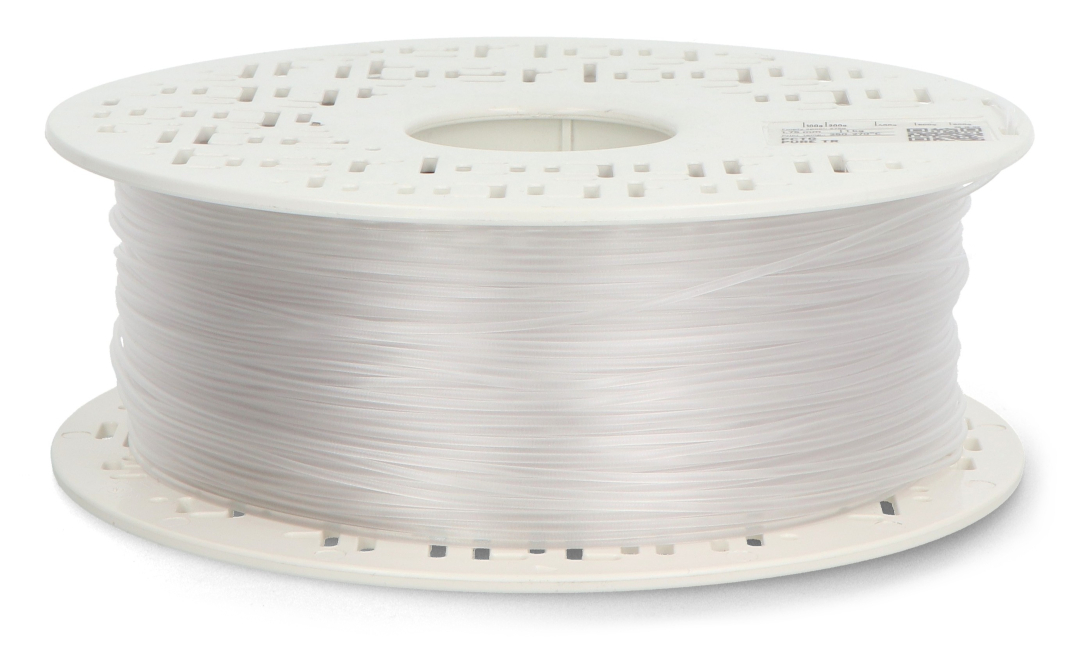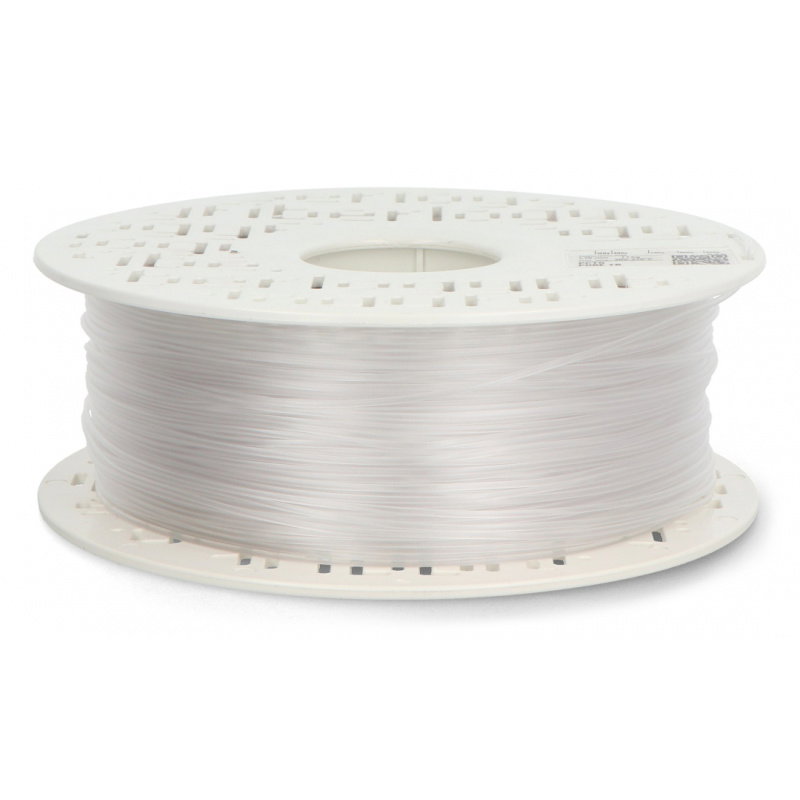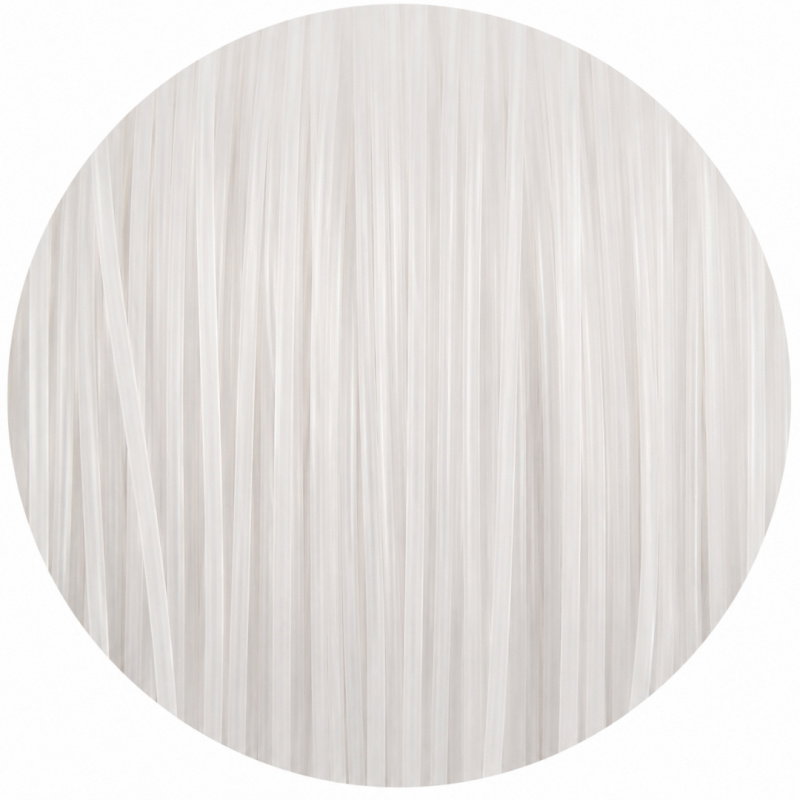
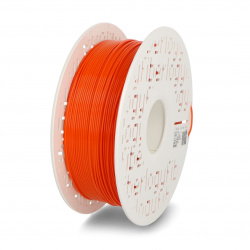
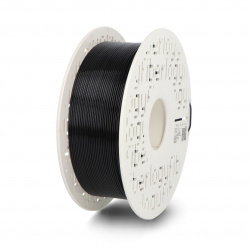













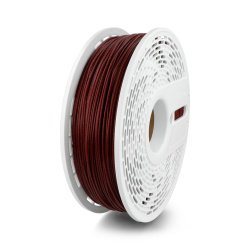

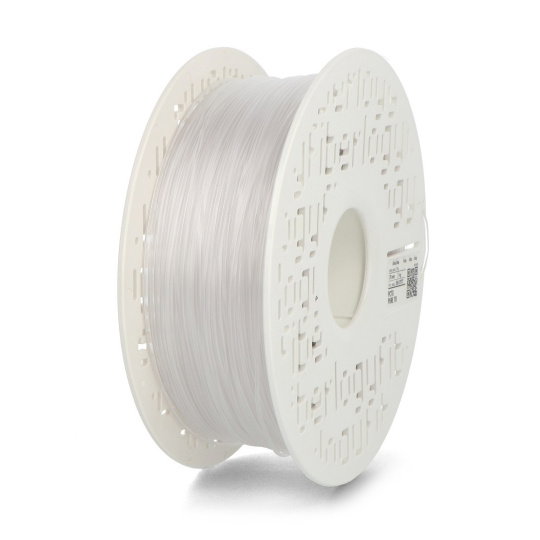
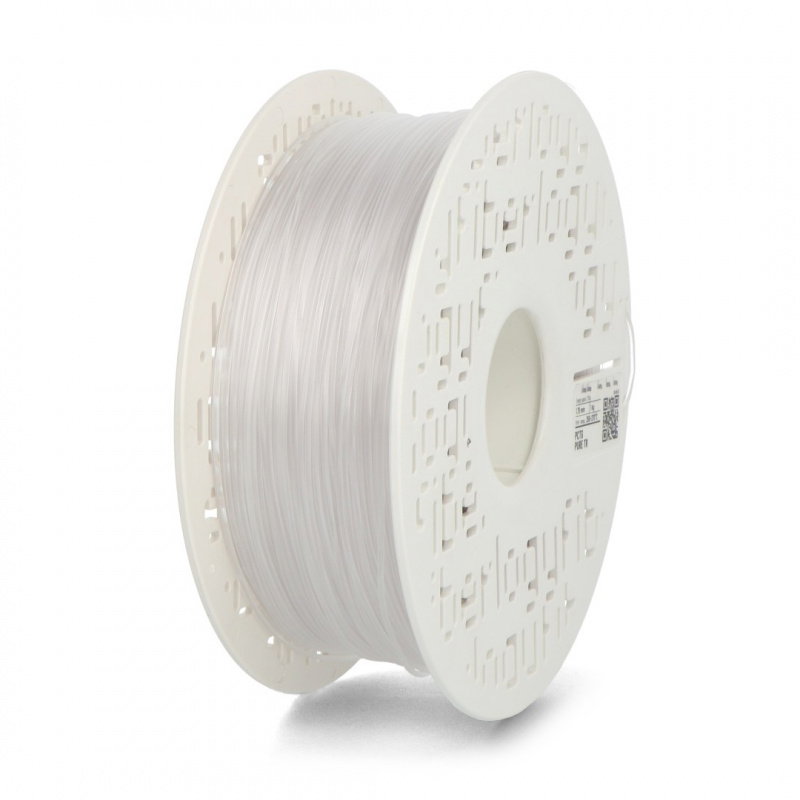


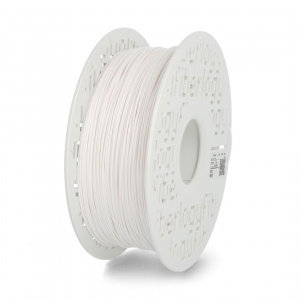
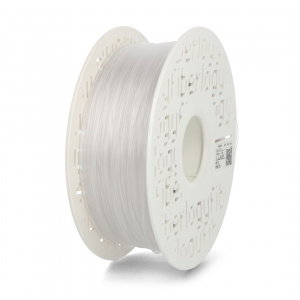
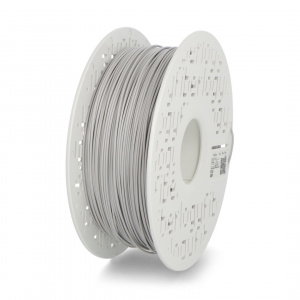
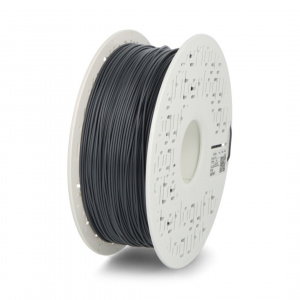
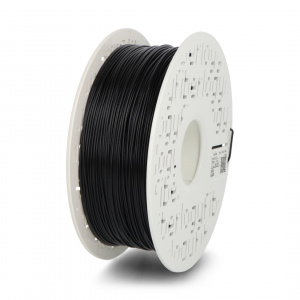
PCTG filament is an excellent alternative to PETG . It belongs to the same polyester family as PETG, but offers increased impact strength (around 90 kJ/ m² ), temperature resistance, and clarity. It doesn't require a heated chamber, allowing it to be used in home printers. It provides high dimensional stability, and low shrinkage prevents model cracking. This makes it easy to use, even for those without extensive 3D printing experience. PCTG also withstands higher temperatures (up to 76°C), is recyclable , and is approved for food contact (Pure TR version only). The filament's diameter is 1.75 mm . The product weighs 1 kg and is wound on a spool.
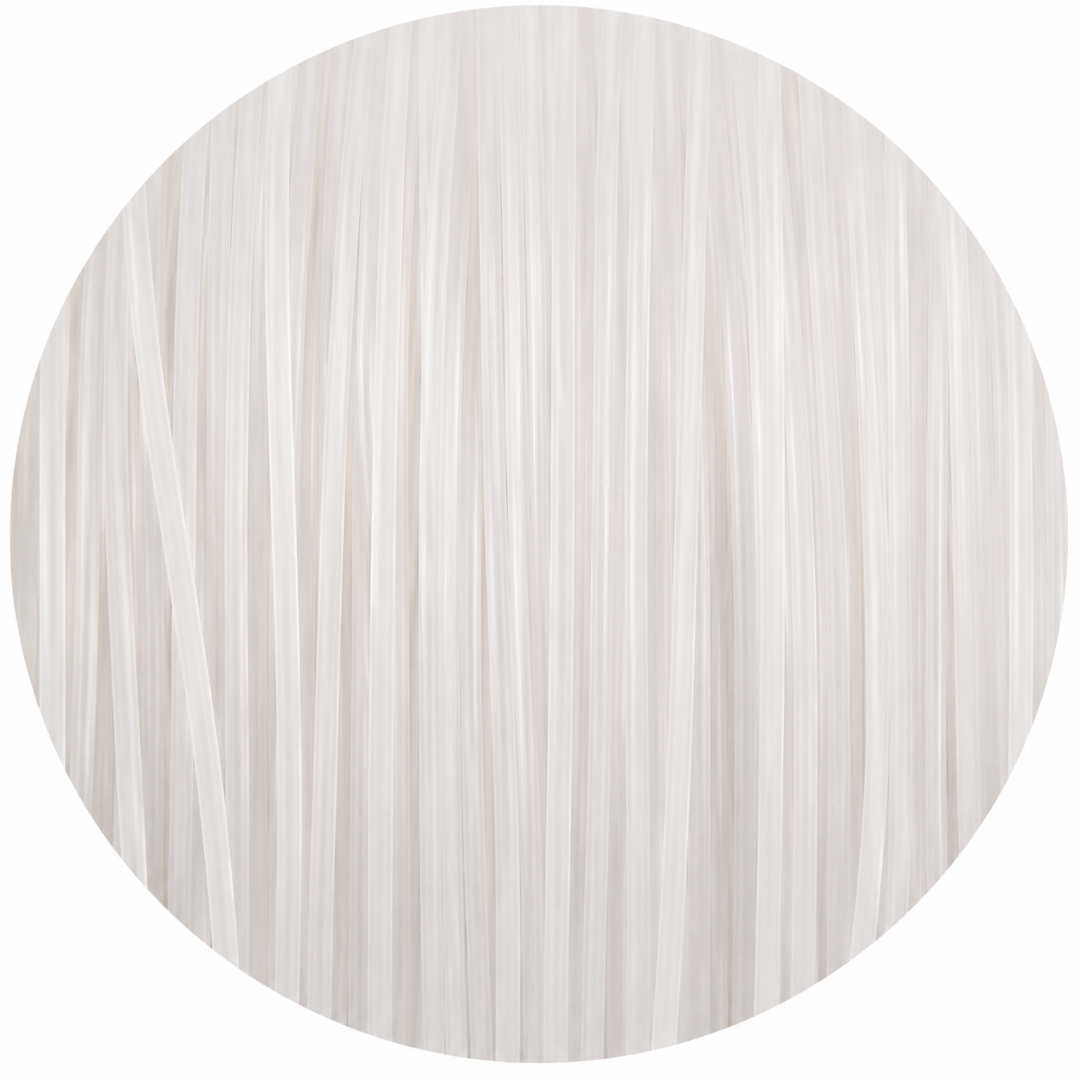
Fiberlogy PCTG filament 1.75mm 1kg - Pure Transparent.
| Printing temperature | From 250°C to 270°C |
| Table temperature | From 90°C to 110°C |
| Closed chamber | Not required |
| Due to differences in printer design, the above data should be treated as guidelines and the appropriate values should be determined experimentally. |
| Parameter | Range |
|---|---|
| Filament diameter | 1.75 mm |
| Filament dimensional tolerance | +/- 0.02 mm |
| Color | Pure Transparent |
| Printing temperature | From 250°C to 270°C |
| Table temperature | From 90°C to 110°C |
| Material | PCTG |
| Print speed | < 100 mm/s |
| Drying conditions | 60°C / 4 hours |
| Mounting hole diameter | 54 mm |
| Moisture absorber | Yes |
| Vacuum packaging | Yes |
| Roundness | +/- 0.01 mm |
| Retraction speed | from 10 to 30 mm/s |
| Net weight | 1 kg |
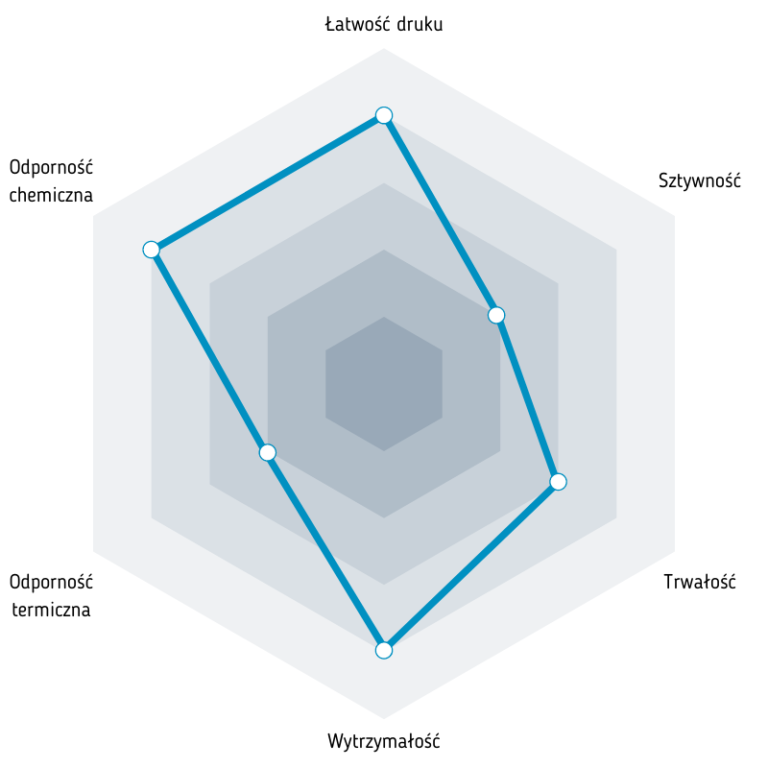
PCTG filament property chart.
PCTG filaments are characterized by very high resistance to tearing, stretching, and bending. The glass transition temperature, measured using the DCS method, is 88℃, and the maximum elongation at break according to the ISO 527 test is 220%. A significant advantage of the heat-shrinkable material is its high light transmittance, which can reach as much as 90%.
PCTG material is designed for FFF/FDM 3D printing. This filament was manufactured by the renowned company Fiberlogy. Its typical density is 1.23 g/cm³.
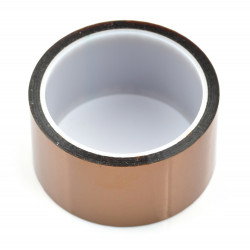
Another characteristic of PCTG filaments is their very high adhesion. Therefore, according to the manufacturer's recommendations, 3D printing should be performed using masking tape.
This heat-shrinkable material boasts unique properties that allow for widespread industrial applications, primarily for the production of spare parts and utility models of varying complexity. Another industry is the automotive industry. Here, the filaments are used to print accessories, housings, air intakes, and fluid inlets. In sports, they are used to produce durable and lightweight protective gear. They are also suitable for prototyping.
Filaments are hygroscopic (they absorb moisture), so breaching the airtight vacuum packaging permanently reduces the quality and value of the product. Therefore, if you return an unpacked item, your refund amount will be reduced proportionally. Returns resulting from manufacturing defects (e.g., damaged or cut filament) are an exception. Please carefully verify the color and material type on the label before opening the packaging.
Useful links |
| Mass | 1000 g |
| Filament - material | PCTG |
| Filament - diameter | 1.75 mm |
| Filament - Spool | Reusable |
| Niebezpieczne | Component |
| Materiał - podział podstawowy | PCTG |
| Package width | 20 cm |
| Package height | 9 cm |
| Package depth | 20 cm |
| Package weight | 1.22 kg |
Be the first to ask a question about this product!
Product Information
The product is a component intended for further assembly/prototyping. It does not constitute a standalone finished product within the meaning of product safety regulations.
Dane GPSR
Country of Origin: Poland
Manufacturer Contact Details: Fiberlab S.A. Brzezie 387 32-014 Brzezie, Polska
EU Marketer Contact Details: Fiberlab S.A. Brzezie 387 32-014 Brzezie, Polska