






On Sale





LEDs
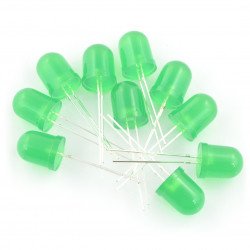
A light-emitting diode (also called LED), is an electronic component that has the particularity of emitting light when it is traversed by an electric current. Its second feature is that the current only passes through this component on one side, when the current passes to the other side, it is blocked and the LED does not light up. LEDs are energy-efficient and durable. It is no wonder that they are quite popular among a variety of products on the market today. Basically, an LED is a low current light source. A 230 Volt LED always has a built-in converter (driver) from 230V to the 12-24 Volts that the diode uses. In addition to the individual LEDs for your projects, we also have a very wide range of LED products. At Botland.store, you will find a large selection of items such as color 8mm LED diodes, LED backlight modules, LED stripes, and many more.
Products


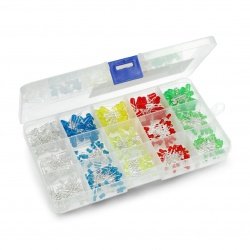
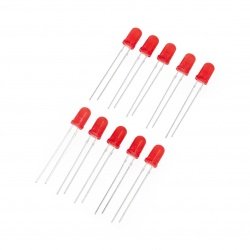


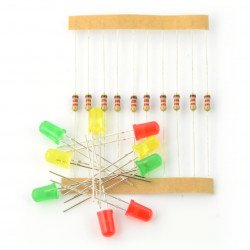
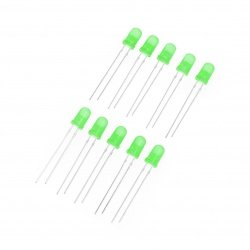


See also
LED diodes - A wide selection of diodes available in the Botland store
Our store offers various LED diodes dedicated to many applications and devices . These types of elements are often used as indicators (control lights), displays and lighting sources, for example in the form of light bulbs and LED lamps.
Various LED colors available
The Botland store offers LEDs in various colors . LED color is most often characterized by the central wavelength of the emitted light. The visible band extends from 400 nm to 700 nm, electromagnetic radiation with a wavelength below 400 nm is classified as ultraviolet, and above 700 nm as infrared. The visible light band in the range of about 450 nm is blue, then green and about 580 nm yellow. Longer electromagnetic waves - from 600 nm to 700 nm - are responsible for the color red.
Diodes of different power
Depending on the application of a given diode, its power should be adjusted . The LED used as an indicator will have only 50 mW or 125 mW. The store also offers LEDs with higher power, such as 1 W or 3 W. These types of elements are perfect as lighting elements, used, for example, in stationary LED lamps or lamps based on LEDs.
RGB LEDs and white LEDs
More than one electroluminescent structure can be placed in a single LED housing. Integration of several LEDs in a single housing significantly reduces the price of such an element, additionally significantly increasing its functionality. The colors of the diodes placed in one housing mix, which allows you to obtain colors other than standard ones. This is how white diodes are constructed. Additionally, if a digital brightness controller is built into the system of three diodes - red, green and blue - the so-called RGB diode allowing for any LED lighting color.
Various diode housings
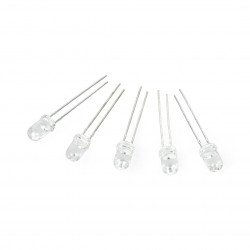
Diodes in our store are available in many housings dedicated to various types of installation in electronic devices. LEDs are available in surface-mount housings (SMD) in sizes from 0603 to 1206 and through-hole mounting diodes (THT) with diameters from 3 mm to 10 mm. SMD diodes are smaller and more compact than through-hole elements, making it easier to fit them into compact devices, however, if we want the diodes to pass through the device panel, away from the system's printed circuit board, for example, it is worth using THT diodes.
LED diodes - FAQ
LEDs are used to emit electromagnetic radiation in the infrared , visible and ultraviolet ranges. They are used, among others, in energy-saving lighting, signaling elements, detectors and measuring devices.
The type of LED is selected depending on the project. You can choose from IR, UV and visible light diodes, the latter of which are available in white or color (also RGB ).
The easiest way is to connect the diodes in series, selecting a resistor of the appropriate value (so that the current and voltage flowing through them are not too high, as this may result in damage).
Most bulbs, LED strips and strips are connected using an appropriate mains or mounting power supply (some also have a built-in module that adjusts the power supply parameters). Stand-alone diodes are most often connected in series using resistors with appropriately selected resistance.