








On Sale









Voltage regulators
Cars are becoming an increasingly common means of transport. In fact, every person at some stage in their life has experience with using a car and must learn how to operate it at least in the basic sense. Many of us can refuel the car, change oil and windscreen washer fluid. We can also handle the radio receiver in the car and we know how to lower or raise the windows. But let's try to remember all the situations when something in our car didn't work and we had no idea what it was about. In such situations we need the support of a specialist. In the long run, however, it is worthwhile to take an interest in deepening our knowledge of how the car works. One of the most important elements in the car is voltage regulator, which is responsible for battery charging systems. Learning about voltage regulators can have a significant impact on your car's handling skills.
Subcategories

Products






See also
How does a voltage regulator work?
Voltage regulators are used to maintain a constant voltage level produced by the alternator or generators. They operate within a certain voltage range and operate correctly when the voltage should be the same regardless of engine operation - whether at low or high speeds. A properly functioning alternator regulator means that the difference should not be greater than 0.5 V. A great example would be taking several actions at the same time, e.g. turning on the air conditioning, turning on the dipped headlights and connecting the phone to charging in the car. All this together can cause fluctuations in the voltage level in the regulator.
Check if the voltage regulator is working properly
First of all, checking the correct operation of the voltage regulator must be done with the engine running. It seems obvious and simple, but you can paint yourself into a corner. To check, we will need equipment such as a multimeter or a voltmeter. It may sound like black magic, but once we delve deeper into the topic, everything will turn out to be as simple as pie. Namely, we need to check, for example, using the mentioned multimeter, whether the current (correct voltage, i.e. supply voltage) is reaching from the alternator to the voltage regulator. If so, the charging system is operational. Too low supply voltage will usually indicate a failure, then it may be necessary to replace the voltage regulator.
Symptoms of a damaged voltage regulator - other information
The next step is to verify whether the voltage transmitted by the regulator is appropriate. If this stage does not work, it means that the regulator has failed. However, if no current flows from the alternator, it means that it is damaged.
Regulator hunter
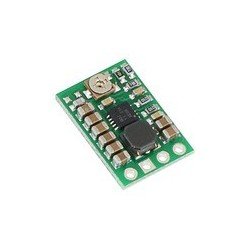
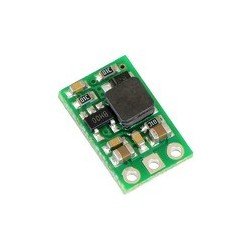
In order not to risk a quick failure or too large a voltage difference, it is worth purchasing a voltage regulator from a proven source. This is the best guarantee of trouble-free operation. Our store offers the highest quality products because we are electronics enthusiasts and we don't use just anything. You will find step-up, step-down, step-up/step-down systems, shunt voltage regulators, and many others. What's more, we have products such as converters whose output is a USB socket, so you can also use them as a phone charger.
Voltage regulators - FAQ
Voltage regulators are used to maintain the voltage produced under all operating conditions at a constant level. It regulates the voltage during power fluctuations and load changes, and can regulate both AC and DC voltage.
The answer to the question about the voltage regulator most often concerns the car. A faulty voltage regulator affects the operation of the engine. For example, you may notice that the engine stalls from time to time. You may have problems with acceleration while driving, lights or warning lights flashing. To check the regulator, all you need to start with is a multimeter .