



New arrivals


On Sale
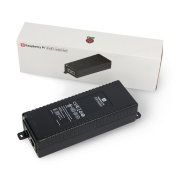
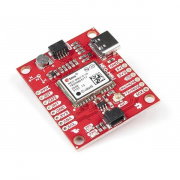
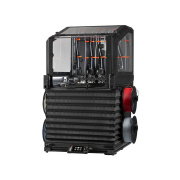
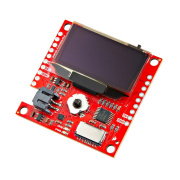
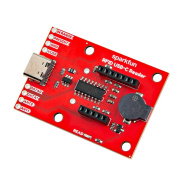
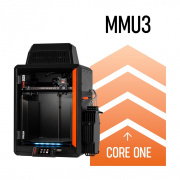
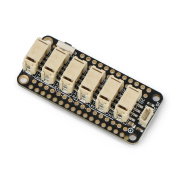
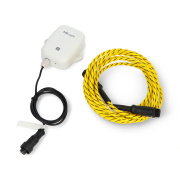
Relays
A relay is an electrical device that distributes power based on an order issued by the control part. In this way, a relay allows the opening and closing of an electrical power circuit based on logical information. The primary function of relays is most often to separate the control circuits from the power circuits for isolation purposes, e.g. to drive a high voltage or current from a lower control, and in some applications also to ensure operator safety. Although it may sound complicated, it is one of the principles of eclectic networks and can help us understand how electronic gadgets work on connectivity. In this section of the Botland store you can find many relays that will help you to explore the secrets of this learning and help you gain the right skills. If you have any questions or concerns, do not hesitate to contact our technical department. We are happy to share our knowledge and experience.
Subcategories


Products



See also
Where are relays used?
Industry was once thought to be the main field where relays were used. There is some truth in this, because we actually find relays in many machines and powerful control systems. Currently, however, they are used to an increasing extent in everyday devices, especially if we want to ensure a higher level of automation. Relays can be found in most homes, especially those of the "smart home" type, where most things operate on commands and are extremely modern and rely on electronic systems. Moreover, relays are used, for example, for automatic entrance gates, to control ventilation or heating, and for protection systems, e.g. motion sensors.
How to choose the right relay?
If we really don't know anything about relays, but we need to buy one, please contact the technical department of the Botland store. It is important to remember that a relay that does not work properly can cause a lot of damage. It can damage electrical devices or even entire electronic systems, so don't deal with this problem alone and contact us. In our store you will find:
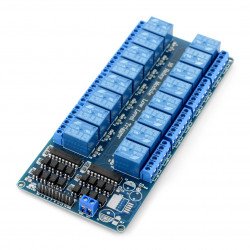
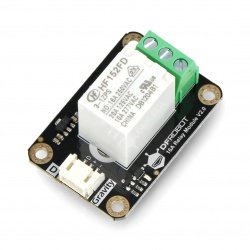
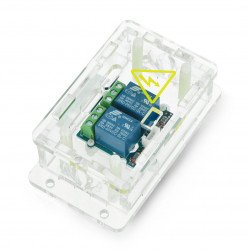
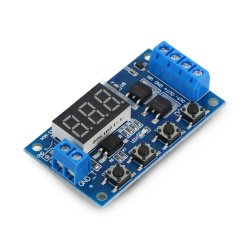
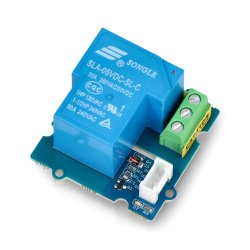
- relay modules
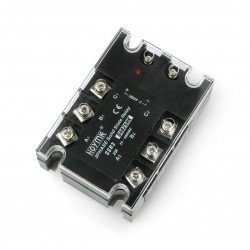
- SSR semiconductor relays
- traditional relays
Therefore, every person designing a project or gadget will find the relay they need here. It is worth relying on us because we always offer the highest quality products. Every electronics enthusiast realizes that small, inconspicuous elements are often the most important. Relays are just such a thing. Without them, the operation of electronic devices and systems, as well as machines, would in many cases be impossible.
Relays, Arduino relays - FAQ
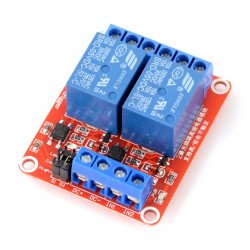
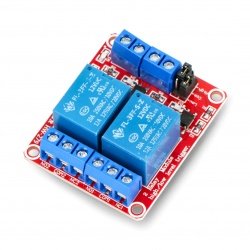
An Arduino relay is commonly referred to as shields and modules compatible with popular motherboards , which are equipped with one or several electromagnetic relays and are used to control external loads (LED lighting, fan, heater, various network devices, etc.).
An Arduino relay is most often simply a module containing an electromagnetic relay with a simple electronic circuit that allows you to control the relay coil directly from the Arduino GPIO output. In most cases, a transistor is used for this purpose, which - after providing the appropriate logical state - turns on the relay coil, thus switching its contacts.
The principle of operation of the relay is based on the attraction of a metal anchor by a small electromagnet - the anchor, mechanically connected to movable contacts , switches the output circuits, enabling the switching on of an external load (even with high current consumption) using a small signal sent to the electromagnet coil.
Selection of a relay involves determining the basic parameters of the input ( electromagnet coil) and output (switchable contacts). In the case of a coil, the type of control voltage (AC or DC) and its value (e.g. 12 V) and current (e.g. 100 mA) are provided. The contacts are also characterized by the maximum operating voltage (e.g. 250 VAC) and current (e.g. 10 A).